Dolly Parton dead at 80
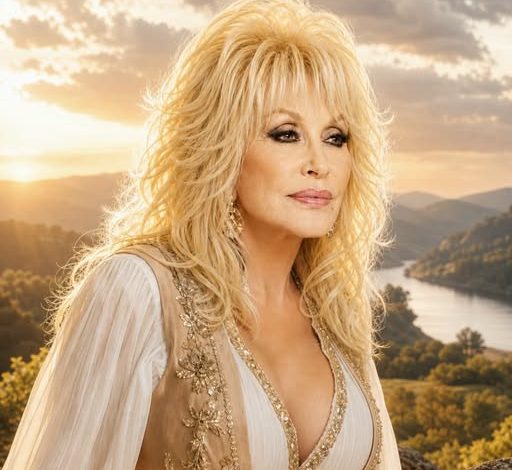
The announcement that Dolly Parton had died at 80 left admirers struggling to imagine popular culture without her. Her family’s statement confirmed the loss while keeping the precise cause of death private. That silence did not diminish the response. People who had never met her felt they had lost a familiar presence whose music, humor, and generosity had accompanied them through much of their lives.
Dolly’s voice carried several worlds at once. It could sound rooted in church pews and Appalachian hardship, then rise above the bright energy of a crowded stage. Her songs gave listeners language for devotion, regret, ambition, and survival. The tenderness of “I Will Always Love You” and the determined spirit of “9 to 5” reached audiences far beyond country music because the emotions inside them were immediately recognizable.
Her rise made that connection even more powerful. She came from poverty in Tennessee and built a career without pretending those beginnings had never existed. Rather than abandoning the stories and people who shaped her, she carried them into every new room. Fame changed the size of her audience, but it did not erase the warmth that made listeners feel she was speaking directly to them.
That accessibility was one reason the reaction to her death felt so personal. Dolly was a global celebrity, yet she rarely seemed remote. Her wit allowed her to control the jokes about her appearance instead of being reduced by them. Her openness about hard work and heartbreak created trust. She could be playful without seeming careless and sentimental without losing strength.
Her influence extended well beyond recordings and performances. Through the Imagination Library, she helped place books into the hands of children who might not otherwise have owned them. Many of those families never met her, but they encountered her generosity in a practical form. A book arriving for a child represented an investment in curiosity, literacy, and possibility.
That work reflected a broader pattern. Dolly treated success as something that could be shared. Her public life joined entertainment with philanthropy, allowing the rewards of her career to support people far from the stage. The quiet reach of those efforts is part of the reason her legacy cannot be measured only through awards, sales, or sold-out venues.
She also became a rare figure admired across political, generational, and cultural boundaries. In periods when public life grew increasingly divided, Dolly often remained a point of common affection. Fans could disagree about nearly everything else and still recognize her humor, discipline, and kindness. That broad connection was not created by avoiding conviction; it came from meeting people with generosity.
The family’s decision to keep some details private deserves the same respect Dolly extended to the private parts of her own life. Public curiosity about how an icon died is understandable, but the absence of an immediate explanation does not prevent people from understanding what she gave while she lived. Her work is visible in the songs people continue to sing, the performers she inspired, and the children who received books because she believed they should.
Her passing closes a chapter, but it does not silence the voice at its center. Recordings will keep introducing new listeners to her stories. Families will continue sharing favorite songs. Readers who first knew her name from a book mailed to their home will grow up understanding that a country singer cared about their future.
The world may feel smaller without Dolly Parton in it, yet her life expanded the worlds of countless others. She transformed personal hardship into music, fame into service, and humor into a form of resilience. The cause of her death may remain private, but the meaning of her life is not hidden. It survives wherever her voice, generosity, and belief in ordinary people continue to be felt.