Before her death, Dolly Parton revealed the real reason why she never had children
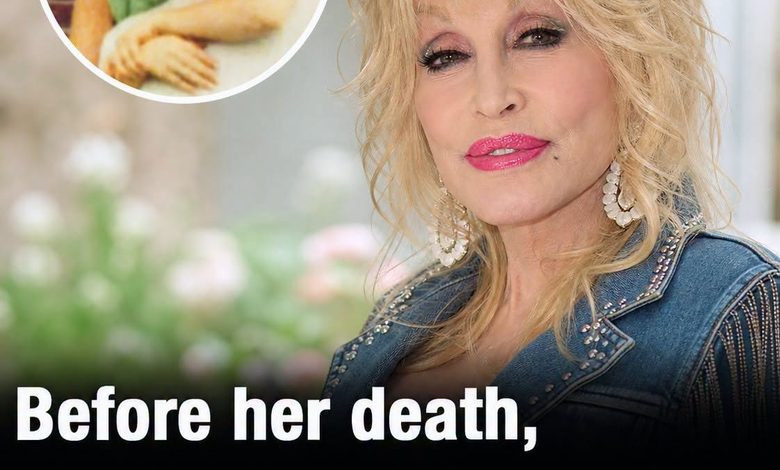
Dolly Parton and Carl Dean shared nearly six decades of marriage, yet they never became parents. For years, people wondered whether that absence had been a private sadness, a practical decision or simply a part of life Dolly preferred not to discuss. Before her death, she spoke with unusual openness about the question and explained that remaining childless had shaped the enormous amount of work she was able to do for other children.
Her answer did not dismiss the possibility that she might have loved being a mother. Dolly often spoke tenderly about family and had a natural connection with young people. She was surrounded by nieces, nephews and godchildren, including Miley Cyrus, whom she loved and guided. What she recognized was that motherhood would have changed the direction of her life. She believed she would have devoted herself completely to her own children, leaving less time and energy for the larger mission that eventually became central to her legacy.
Dolly’s career demanded constant travel, recording, writing and performance. She built that career while protecting an unusually private marriage. Carl stayed out of the spotlight, and their relationship endured despite the schedule and attention surrounding her. Adding children to that life would have required choices she could not predict. Looking back, Dolly came to see her path not only as something she had accepted but as a path that allowed her to serve millions of families.
The clearest expression of that service was her work promoting childhood literacy. Through the Imagination Library, books were mailed directly to children’s homes so that reading could become part of everyday family life. The program grew far beyond a small charitable project and reached children across wide regions and many different backgrounds. Dolly often treated those children as part of an extended family, speaking about them with the affection and responsibility of someone who believed opportunity should begin early.
Her explanation placed the decision in the language of purpose rather than regret. If she had children of her own, she said in essence, she might not have been able to give so much attention to everyone else’s. That did not mean one kind of life was better than another. It meant she understood how completely she would have loved her own family and how that love would have redirected her priorities. The absence of biological children created room for a different form of care.
There were also deeply personal reasons why the subject could not be reduced to a simple career choice. Dolly experienced health struggles and underwent medical treatment that affected her ability to have children. She carried those experiences privately for much of her life. When she later discussed them, she did so without asking the public to define her by loss. She turned instead toward what she could build.
Carl remained her partner through that journey. Their marriage did not depend on meeting the expectations other people placed on them. They created a life that worked for them, mostly beyond the cameras, while Dolly’s public work grew. Her closeness to younger relatives and her support for children through books showed that nurturing did not have to fit only one model.
After her passing, the answer to why she never had children feels inseparable from the legacy she left. Dolly did not present childlessness as an empty space. She filled that space with music, mentorship, family loyalty and an extraordinary literacy effort. The choice and circumstances that once prompted public curiosity became part of a much larger story. She may not have raised a son or daughter of her own, but she helped place books in the hands of children she would never meet and gave them a reason to dream.