Billy Ray Cyrus Revealed Dolly Parton’s Final Message to Him—Then Miley Shared the Last Advice She’ll Carry Forever
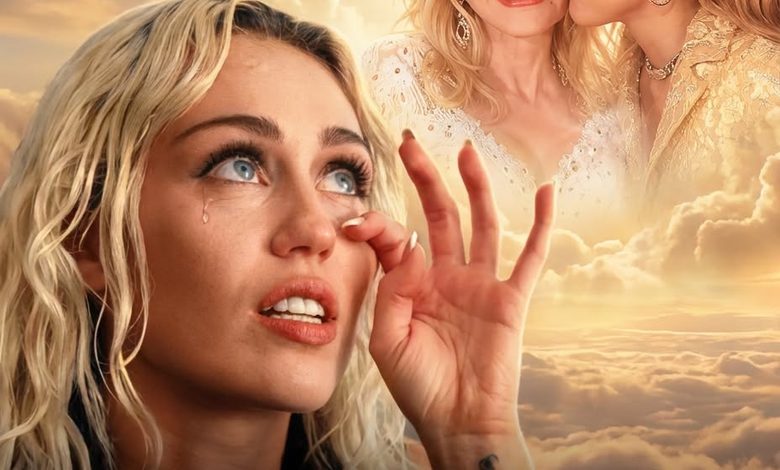
Billy Ray Cyrus had spent decades collecting memories with Dolly Parton, but one of the last things she ever gave him was only a few words. In a tribute after her death, he revealed that Dolly had recently sent him a personal message telling him she loved him “with her whole heart,” a phrase that landed differently now that she was gone. Their friendship had survived tabloid rumors, years of performances, and the strange intimacy of becoming family through Miley Cyrus, who grew up calling Dolly “Aunt Dolly.” Billy Ray traced that bond back to 1992, when stories were circulating that he and Dolly were having an affair and he went to her dressing room to apologize for the attention. Dolly, characteristically, refused to treat the scandal like a tragedy. She winked and told him that the gossip sold records, turning embarrassment into humor in a way he never forgot. Decades later, the last message he received from her carried the same unmistakable warmth, but this time there was nothing funny about how final it felt.
Dolly had been part of Billy Ray’s world long before they became close, first as a country star he had admired as a boy and later as a trusted friend who became one of the most important adults in his daughter’s life. When Miley was born, Billy Ray and Dolly agreed that Dolly would be her godmother, and the relationship eventually became something much deeper than a ceremonial title. Dolly watched Miley become famous as a teenager on Hannah Montana, appeared on the show as “Aunt Dolly,” defended her during controversial phases of adulthood, and offered career advice only when Miley actually asked for it. She had no children of her own, a path shaped in part by a partial hysterectomy and fertility struggles, and later said she believed perhaps she had been meant to care for other people’s children instead. With Miley, that belief became personal. Dolly once said she watched the young star like a proud mother, while Miley credited her with teaching her to stay grounded, respect everyone on a set, and never let success become an excuse for treating people differently. Their bond became one of the clearest examples of how Dolly built family far beyond biology.
Miley’s own farewell revealed that some of their final conversations had been about music, transformation and the idea of turning pain into something creative. She said most of their sacred moments would remain private, “behind the stage” and between their hearts, but she shared enough to make the shape of Dolly’s final influence clear. One of their last talks centered on music and metamorphosis, which Miley symbolized with a butterfly, an image closely associated with Dolly throughout her career. Miley said she knew what Dolly would tell her to do now: feel the grief, turn it into a song, and keep moving forward. That message echoed the way Dolly had guided her for years—not by controlling her decisions, but by encouraging her to become fully herself. Even in moments when Miley changed her image, challenged expectations or moved far from the child star the public first knew, Dolly defended her instinct to find her own wings. The irony of their final conversation was that the woman who had spent years telling Miley to fly was now leaving her with the responsibility of continuing without her.
Billy Ray’s final message and Miley’s final conversation together reveal two different sides of the same relationship. To Billy Ray, Dolly was the lifelong friend who could turn scandal into a joke and affection into something direct enough to be remembered forever. To Miley, she was a godmother, mentor and maternal presence whose influence had become woven into both her career and her private understanding of family. Dolly’s death on August 25, 2026, at 80, followed the death of her husband Carl Dean in March 2025, closing a chapter that had connected the Cyrus family to her for more than three decades. Yet nothing about the way either Billy Ray or Miley described her sounded distant or ceremonial. Their memories were specific: a dressing-room wink, a message saying “whole heart,” private conversations about songs, reminders about humility, and the kind of support that allowed Miley to evolve without feeling abandoned. What survives in those details is not the public mythology of Dolly Parton but the private version—the person who kept showing up in other people’s lives long after the cameras were gone.
That may be why both tributes feel less like celebrity statements and more like fragments of a family losing someone irreplaceable. Billy Ray said he would love Dolly with his whole heart for the rest of his life because that was how she had loved him. Miley wrote that she had an angel beside her and believed she always would. Their words also bring one of Dolly’s deepest beliefs into sharper focus: that motherhood, family and legacy do not have to follow one conventional form. She never had children of her own, yet she became “Aunt Dolly” to a girl she helped guide from childhood into adulthood, and she became a lifelong friend whose last message to Billy Ray was simply an expression of love. In the end, the most important thing she left them was not advice complicated enough to require explaining. It was the same lesson she had embodied for decades—love people openly, let them become who they are, and leave them with enough courage to keep going when you are no longer there to say it yourself.