My Sons School Cafeteria Worker Said Dont Open His Thermos During Pickup I Opened It and Called Police
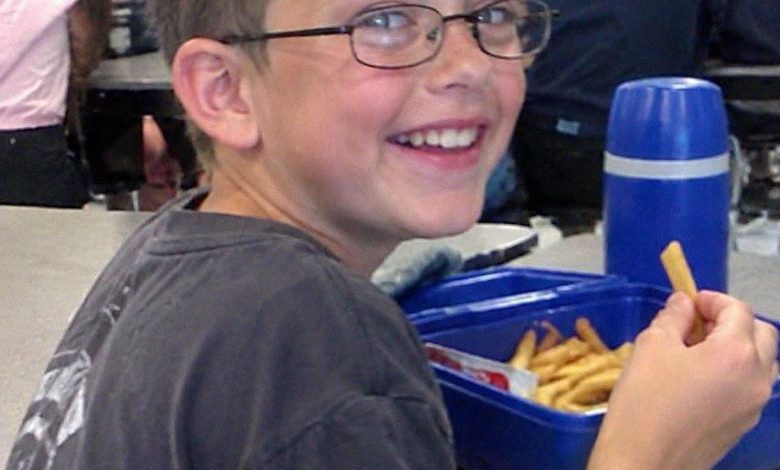
During school pickup, a cafeteria worker followed my ten year old son Noah into the hallway and handed me his blue thermos. She whispered that I should not open it because it was not the one he brought that morning. Then she hurried away before answering questions.
I locked the car doors and opened it anyway. Inside were a photograph of Noah outside our house and a small silver key. The picture had been taken from across the street. On the back, someone had written Thursday 4:15. It was Thursday, and the clock showed 4:07.
Noah recognized the key. He said a substitute teacher who sometimes ate lunch with him carried one like it. The school had no substitute teacher matching his description.
I called police. When I gave our address, an officer immediately dispatched another unit. His radio then reported a man trying to enter our house through the rear door.
Officers reached the property before he succeeded. They found tools, copies of several keys, photographs of Noah, and a school visitor badge with a false name. The silver key in the thermos opened a rented locker near the bus station.
Inside the locker were children’s lunch containers, school schedules, photographs, and identification documents. Investigators connected the man to several reports involving stolen property and attempts to approach children in neighboring districts.
The cafeteria worker had noticed him switch thermoses while sitting beside Noah. She challenged him, and he claimed he had returned the wrong container after cleaning a spill. When he walked away, she compared the label with Noah’s usual thermos and followed us.
Her warning sounded contradictory because she wanted me to preserve the container for police rather than open it in a crowded hallway. Fear made her words incomplete. Opening it in the locked car exposed the immediate deadline, but officers later emphasized that suspicious packages are better left untouched.
Noah believed the man was a teacher because he wore a badge and adults in the cafeteria did not stop him. The visitor had learned staff routines, entered during busy periods, and acted confident enough to discourage questions.
The school reviewed its security procedures. Visitor badges became dated and color coded, staff received photographs of authorized substitutes, and children were taught that an adult’s badge does not make secret requests acceptable.
We also changed routines at home, installed cameras, and arranged counseling for Noah. He felt guilty for speaking with the man, but responsibility belonged entirely to the adult who deceived him. Politeness is not consent, and a child cannot be blamed for trusting someone presented as school staff.
The cafeteria worker’s attention prevented the plan from advancing. She noticed a familiar thermos in unfamiliar hands and acted despite uncertainty. Her instinct did not solve the case alone, but it created the minutes police needed.
A lunch container had seemed too ordinary to carry danger. That was precisely why it was used. The experience taught us to respect small inconsistencies, ask children open questions, and treat school safety as a shared responsibility rather than a locked door everyone assumes someone else is watching.
The school changed its pickup procedure after the incident. Temporary staff could no longer access student schedules without direct authorization, and employees were trained to preserve suspicious objects rather than investigate them alone. Noah needed time before carrying lunch again. We let him choose a new bag and thermos, giving him some control after someone had tried to turn his routine into a threat.
The investigation continued beyond that afternoon. We avoided sharing identifying details online and followed the officers’ advice, allowing evidence rather than rumor to guide the next steps. Safety required patience as well as urgency.