CNN Apologizes to Dolly Partons Family After Serious On Air Mistake
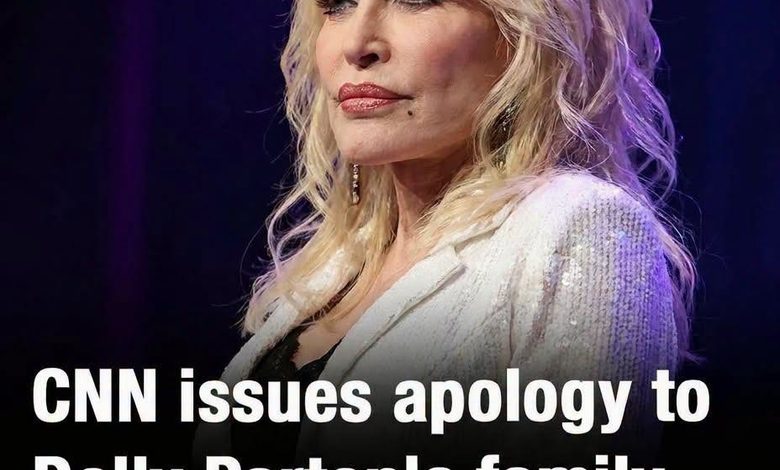
A circulating report claims that CNN displayed the photograph of a Dolly Parton impersonator while covering the singer’s death, prompting confusion among viewers and distress for members of her family. According to the source, text messages began circulating as the wrong face appeared on screen, and the network later issued an apology that some fans considered inadequate.
The allegation describes a specific kind of broadcast failure. Television newsrooms use large image archives, agency feeds, social-media material, and prepared graphics during breaking coverage. When a famous person dies, producers may assemble photographs, video, captions, and timelines under intense deadline pressure. A mislabeled asset or poorly verified image can reach air if several safeguards fail in succession.
Using an impersonator’s image would be particularly painful in this context because Dolly Parton’s appearance is closely associated with her public identity. Tribute coverage is meant to help audiences remember a life and career. Showing someone else can make the segment appear careless at the exact moment relatives and fans expect dignity, accuracy, and restraint.
The linked excerpt, however, does not provide the date of the broadcast, a full video, the program name, or the text of CNN’s apology. Those details are necessary before the incident can be described as confirmed. Cropped clips and screenshots can lose surrounding context, and online stories sometimes combine genuine footage with exaggerated descriptions. A responsible account should identify the original segment and allow viewers to see what occurred.
If the error happened as described, the correction should be as visible as the mistake. A quiet statement posted later may not reach the millions who saw the original image. Good correction practice explains what was wrong, supplies the accurate material, and states how the error occurred without shifting responsibility to viewers. It also ensures that digital versions and syndicated clips are updated.
An apology to the family would need to recognize more than technical embarrassment. Relatives watching memorial coverage are already navigating grief and public attention. Seeing an incorrect image can feel like a loved one has been reduced to a hurried graphic. Direct communication, a prompt correction, and care in subsequent tributes would be appropriate steps.
The incident also illustrates why visual verification matters. Producers can compare photographs against trusted archives, official accounts, agency captions, and multiple reference images. Metadata and source history should be checked, especially when performers, impersonators, or tribute artists deliberately resemble a celebrity. One person should not be responsible for the entire verification chain during breaking news.
Viewers have a role as well. When an apparent mistake spreads online, sharing the complete clip and original source is more useful than circulating a single frame with an angry caption. It helps distinguish an actual broadcast error from a mislabeled repost. Criticism is strongest when it is attached to verifiable evidence.
Dolly Parton’s long career produced an enormous visual archive, from stage performances and film roles to charity events and private moments released with permission. Accurate tribute coverage has no shortage of authentic material. The challenge is not finding an image but ensuring that the chosen image is genuinely hers and appropriate to the moment being discussed.
Until the broadcast and apology are independently available, the careful conclusion is that the online article alleges a serious on-air mistake. If confirmed, it deserves correction and accountability, but it should also lead to better newsroom procedures rather than only outrage. Memorial reporting carries a basic obligation: honor the person by getting the person right.
Errors during live coverage can never be reduced to zero, but preparation changes their likelihood. News organizations can build verified memorial packages in advance, label impersonator and archival material clearly, and require a second editor to approve sensitive visuals. Those measures are not glamorous, yet they protect families, viewers, and the credibility on which a newsroom depends.