Four Days Before Dolly Parton’s Death, She Was Still Making Plans—Her Final Interview Now Reads Very Differently
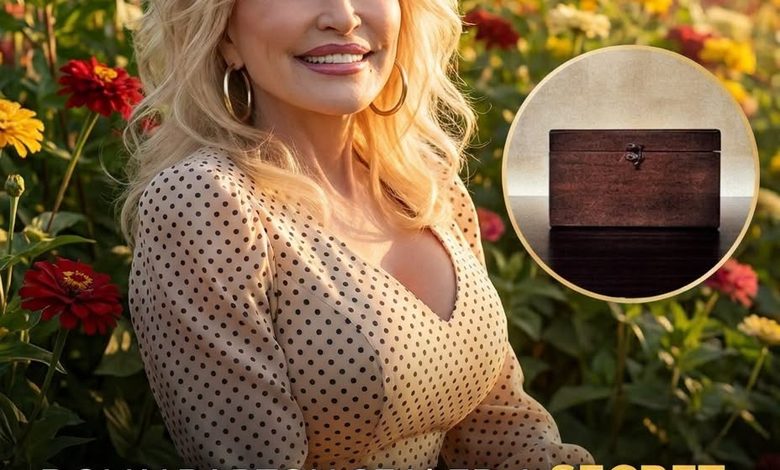
Four days before her death, Dolly Parton was not speaking like someone preparing to say goodbye. She was joking about social media, talking about work and describing projects she still hoped to bring to life. The country legend had been dealing with health problems, and those around her reportedly knew she had been struggling, but family and friends still believed she would recover. Parton herself sounded just as determined. “Even though I’m still healin’, I’m still workin’!” she said in what became one of her final interviews. She added that she still had “so many things” she wanted to achieve and intended to keep working as long as she could. Four days later, on August 25, 2026, she was dead at 80, and words that had sounded hopeful suddenly carried the weight of a farewell she never meant to give.
Parton’s final months had included increasingly visible health concerns, though she continued making public appearances whenever possible. In June, she surprised fans at the opening of Dolly’s Tennessean Travel Stop near Cornersville, Tennessee, arriving in her trademark high heels and joking with the crowd. Witnesses later remembered her as happy, funny and recognizably “Dolly,” even though some noticed she moved more slowly and that her handlers appeared unusually attentive. By August, the strain had become harder to hide. She canceled an August 14 appearance at Dollywood after experiencing dizziness and dehydration and said doctors had advised her not to travel. Five days later, she appeared virtually at the ACM Honors to accept the Poet’s Award, speaking not about illness but about songwriting—the force she described as her therapy, release and joy. Her public persona remained remarkably consistent: even as her body was forcing her to slow down, her mind was still moving toward whatever came next.
That forward momentum makes several of her final remarks especially poignant. On August 11, while discussing plans to attend performances of her Broadway musical, Parton said she hoped to be in New York as often as possible and added, using one of her familiar Southern expressions, “good Lord willing and the creek don’t rise.” At the time, there was nothing ominous about it. Days later, however, her health deteriorated. She was reportedly hospitalized in Nashville on August 21 after dealing with kidney and autoimmune-related issues, following months of unspecified medical difficulties. People close to her were said to have understood that she was sick, but not that death was imminent. Her representatives later announced that she had died after what they described as a brief battle with cancer, though details surrounding her illness remained limited. The contrast between those reports and Parton’s own final statements is what makes them so striking: while those around her were increasingly managing her health, she was still planning appearances, talking about unfinished work and assuming there would be more time.
Tributes quickly followed from artists and friends who had shared decades of history with her. Jane Fonda remembered the woman she knew from “9 to 5” as generous, playful and fiercely loyal, while Reba McEntire reflected on a friendship and talent she believed could never be duplicated. One of the most personal announcements came from Parton’s nephew Bryan Seaver, who said he had served as her head of security for more than two decades and described sharing the news with both pride and profound sadness. Yet even amid the grief, one detail from Parton’s creative life seemed almost perfectly suited to the woman she had been. In 2015, she recorded a song titled “My Place In History” and had physical copies sealed inside a chestnut box beneath her Dollywood DreamMore Resort. The instructions reportedly say the box should remain closed until January 19, 2046—what would have been her 100th birthday. Parton had joked years earlier that she might not be around when it was finally opened, though what concerned her most was whether the song itself would survive intact.
That buried recording now feels like an unusually fitting final chapter. Dolly Parton spent her life writing toward the future—songs, businesses, performances, books, charities and ideas that often outlived the moment in which she created them. Even shortly before her death, she was speaking in the language of unfinished plans rather than endings. She wanted to work, to see projects completed and to continue turning imagination into something tangible. Her final interview did not offer carefully chosen last words because she apparently did not believe they were last words at all. Perhaps that is why they feel so true to her. She left the world still dreaming herself, as she once put it, “into a corner.” And somewhere beneath the Tennessee soil, one unheard song remains sealed away, waiting for a birthday nearly twenty years in the future.