My Husband Said He Was “The Man of the House” — Then I Showed Him Who Really Had a Say
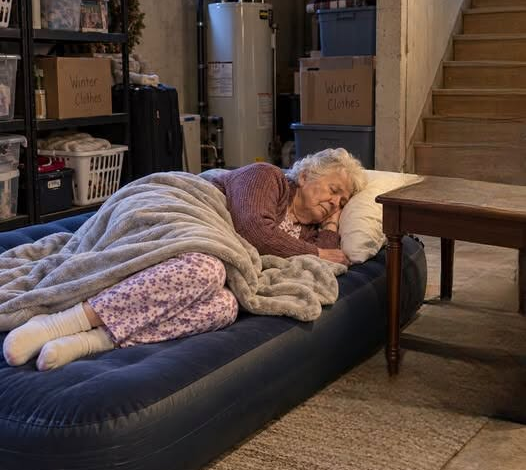
I came home early from a four-day work trip and found my 70-year-old mother sleeping on an air mattress in the basement.
She was in her third week of chemotherapy and could barely manage the stairs.
Before leaving, I had prepared the first-floor guest room for her and left my husband, Gabriel, detailed instructions for her medication and meals.
Instead, I found beer bottles and pizza boxes upstairs while Gabriel watched football with his brother.
When I demanded an explanation, he simply said:
“I’m the man of this house, and I make the rules.”
I didn’t scream. I didn’t threaten him.
I simply told him he was seriously mistaken.
The next evening, I organized a dinner.
One of our guests was Patricia Greene, the real estate attorney who had handled the purchase of our home nine years earlier.
After dinner, she placed the property deed on the table.
Gabriel’s confidence quickly disappeared.
Patricia explained that we were equal owners of the home and that neither of us had greater control over it. She also went through the financial contributions and unpaid work I had made throughout our marriage.
For the first time, Gabriel realized that our marriage—and our home—wasn’t his personal kingdom.
But I hadn’t invited Patricia to embarrass him.
I wanted him to understand that moving my seriously ill mother into the basement simply because he wanted to watch football wasn’t just a bad decision.
It revealed a much bigger problem.
Eventually, Gabriel apologized to my mother and admitted that he’d been thinking only about himself.
We established new rules: my mother’s room would remain hers, her medical needs would come first, and major decisions about our home would be made together.
Later, Gabriel admitted something that changed everything:
He had treated our household like it revolved around him instead of understanding that marriage was supposed to be a partnership.
My mother didn’t need revenge.
She just needed someone to stand up for her.
And that night, she finally stopped apologizing for taking up space.
Sometimes, the strongest response isn’t anger. It’s calmly showing someone the truth.