Tiny Blisters on Your Fingers? These Symptoms Should Never Be Ignored
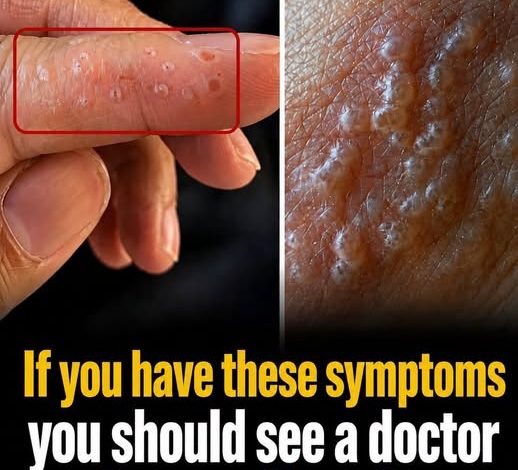
Many people experience occasional skin irritation on their hands. Dryness, itching, or tiny bumps may appear after exposure to cleaning products, changes in weather, or prolonged contact with certain materials. In most cases, these symptoms improve on their own. However, when small blisters repeatedly appear on the fingers, palms, or hands, they deserve assessment to identify the cause, especially if painful, infected, or persistent.
One common condition associated with tiny fluid-filled blisters is dyshidrotic eczema. This skin disorder often causes intensely itchy blisters on the sides of the fingers, palms, and sometimes the soles of the feet. The exact cause is not always known, but stress, allergies, sweating, and exposure to certain metals can trigger flare-ups. Although not usually dangerous, untreated cases can become painful and may lead to skin cracking or infection.
Another possible cause is allergic contact dermatitis. Everyday products such as soaps, cosmetics, detergents, jewelry, and latex gloves can trigger an allergic reaction. Symptoms often include redness, itching, swelling, and small blisters. Because the reaction may develop gradually, many people fail to connect their symptoms to a specific product.
Viral infections can also produce blister-like skin lesions. Certain viruses may cause painful clusters of small blisters that require medical treatment. In these situations, early diagnosis is important because delaying care may allow the infection to worsen or spread.
Doctors emphasize that people should pay attention not only to the appearance of the blisters but also to accompanying symptoms. Persistent itching, burning sensations, pain, fever, swelling, or rapidly spreading lesions should never be ignored. These warning signs may indicate infection or a more significant medical issue.
Autoimmune conditions can sometimes present with skin symptoms before other health problems become apparent. While these cases are less common, unexplained skin changes that last for weeks or continue to worsen deserve professional evaluation. A dermatologist may perform a physical examination, review medical history, or recommend tests to determine the underlying cause.
Scratching the affected area can increase the risk of complications. Broken skin allows bacteria to enter, potentially leading to secondary infections. For this reason, healthcare professionals often recommend keeping the area clean, avoiding irritants, and seeking treatment if symptoms persist.
Treatment varies depending on the diagnosis. Mild eczema may respond to moisturizers and topical medications. Allergic reactions often improve once the triggering substance is identified and avoided. Infections may require prescription antiviral, antifungal, or antibiotic medications. Because different conditions can look similar, self-diagnosis is not always reliable.
The good news is that many skin disorders can be managed successfully when detected early. Prompt treatment not only relieves discomfort but also reduces the risk of long-term complications.
Experts recommend monitoring any unusual skin changes carefully. If small blisters continue to appear, become painful, spread to other parts of the body, or interfere with daily activities, it is wise to consult a healthcare professional. Individuals with weakened immune systems, diabetes, or chronic health conditions should be especially cautious.
Maintaining healthy skin habits can also help reduce risk. Using gentle cleansers, moisturizing regularly, wearing protective gloves when handling harsh chemicals, and managing stress may lower the likelihood of certain skin problems. Staying hydrated and following a balanced diet can further support overall skin health.
While tiny blisters may seem like a minor issue, they sometimes serve as the body’s early warning system. Paying attention to these signals and seeking appropriate medical advice when necessary can make a significant difference. When it comes to unexplained skin symptoms, caution is often the best approach.
The next time you notice unusual bumps or blisters on your fingers, remember that your skin may be trying to tell you something important. Listening to those signs early could help protect both your skin and your overall health.
Medical references: NHS pompholyx guidance and NHS blister guidance.