Breaking news Mc donalds worker See More
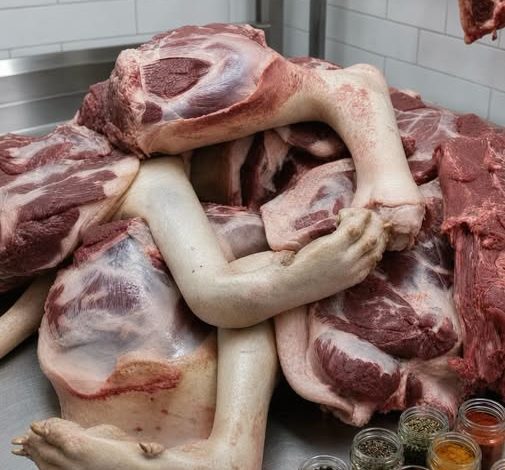
Don’t look away. The meat on your dinner table may not be what you think it is. Shoppers smelled it first, then tasted it, then finally started asking questions no one wanted to answer. Behind the glossy packaging and “premium” labels, investigators uncovered a supply chain trick that changes everything you thought you kne…Continues…
What began as a few uneasy complaints in the meat aisle has erupted into a crisis of trust. Families who thought they were paying for quality discovered that distributors had been quietly cutting corners, blending cheaper imported meat into products sold as top-tier cuts. The supermarkets claimed ignorance, pointing fingers at their suppliers, but customers no longer know who to believe—or what they’re really feeding their children.
Now, regulators are under pressure to tighten labeling laws, demand full origin transparency, and enforce stricter audits on every link in the chain. Consumer groups are urging shoppers to read labels obsessively, favor local butchers, and question anything that seems too perfectly packaged. This isn’t just about meat; it’s about the unsettling realization that the system people trusted with their food may have been built on carefully packaged half-truths.
A food label is a promise made at the point where the shopper can no longer see the supply chain. The customer cannot inspect every warehouse, processor, or delivery vehicle behind a package. Instead, the decision rests on the information provided and the expectation that the product matches it. When those two things separate, even an ordinary purchase becomes difficult to judge.
Price adds another layer to the problem. A premium description invites people to pay more because they believe it represents a meaningful difference. If that difference cannot be explained or supported, the concern reaches beyond disappointment. The buyer has made a choice using information that may not reflect what was actually sold.
The path back to confidence begins with clarity. Retailers need to be able to explain where their products come from and how questions about a particular package are handled. Suppliers, in turn, need records that connect the product on a shelf with the steps that brought it there. Passing responsibility from one company to another leaves the shopper without the answer that matters.
For a household trying to make sense of an uncertain purchase, keeping the packaging and purchase details can help preserve the information needed for a complaint. The product name, date, batch information, and receipt are more useful than a vague memory of the label. A clear description of the concern also gives the seller something specific to investigate.
Neither a polished package nor an alarming online claim settles the issue by itself. The practical question remains whether the product can be identified and the concern traced. A transparent response should address the actual item and explain what is known, rather than relying on broad reassurance about the business as a whole.
Food shopping depends on countless small acts of trust. Restoring that trust means making the answers easier to obtain and the responsibilities harder to evade. Customers should not have to guess whether the words on a label describe the food they are taking home.