Why Chin Hair Grows in Women and What It M\
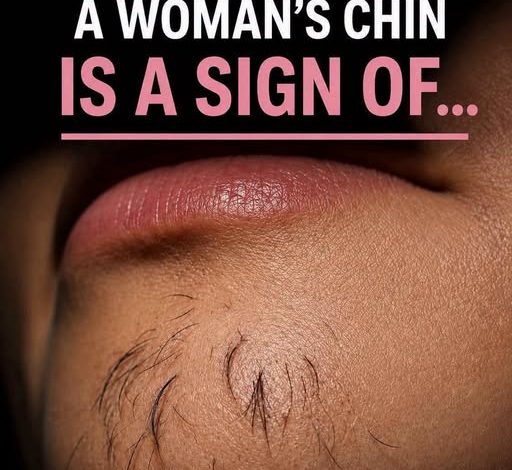
It starts with a single rogue hair—and your mind spirals. You stare into the mirror, heart pounding, wondering what’s breaking inside you. Is it hormones? Genetics? Something far more terrifying? Each new coarse strand feels like proof that your body is betraying you, that you’re changing into someone you don’t reco… Continues…
You are not broken, and you are not alone. Those coarse chin hairs that seem to appear overnight are often the visible tip of quiet hormonal shifts that happen in nearly every body. Androgens like testosterone exist in all of us; tiny changes in their levels—or in how sensitive your follicles are—can move hair from “invisible” to undeniable. Age, genetics, and transitions like menopause all redraw the map of where hair grows, and when.
Sometimes, increased facial hair does signal something deeper, like PCOS, especially when paired with irregular periods, acne, or weight changes. That’s when a conversation with a healthcare professional can turn panic into a plan. But in many cases, these hairs are simply a normal, manageable variation of your biology. Plucking, waxing, or laser can handle the strands. What needs gentler care is the story you tell yourself when you see them.
The emotional reaction can arrive before the practical question. A person notices a change in the mirror and immediately begins comparing it with an image of how their face is supposed to look. That comparison can turn one small feature into a much larger judgment about age, attractiveness, or control. None of those judgments is a diagnosis.
It helps to separate appearance from information. One question is whether the hair bothers you and what you would like to do about it. Another is whether the pattern has changed in a way you want to discuss with a professional. Treating those as separate questions makes it easier to respond thoughtfully rather than assuming that a cosmetic concern must mean something serious.
If you decide to raise the issue at an appointment, describing the change in your own words is enough to begin. You do not need to arrive with a condition already identified. When you noticed it, whether it seems different from your usual pattern, and whether other changes concern you are all part of the conversation. The purpose is to understand your experience in context.
Personal choice matters just as much when it comes to appearance. Some people prefer to remove facial hair, while others are comfortable leaving it alone. A decision made for comfort does not need to become a statement about anyone else’s face. There is no single way a woman must look in order to be well cared for or at ease with herself.
The same patience can extend to how you speak about your body. A new hair does not erase the person you were before you noticed it. It does not require panic, shame, or an immediate explanation found online. You can take the concern seriously while keeping it in proportion.
The aim is a response that fits you: practical attention where needed, a conversation when something worries you, and less cruelty in the private commentary that accompanies a glance in the mirror.