What the Dates on Canned Food Really Mean—and When It’s Still Safe to Use
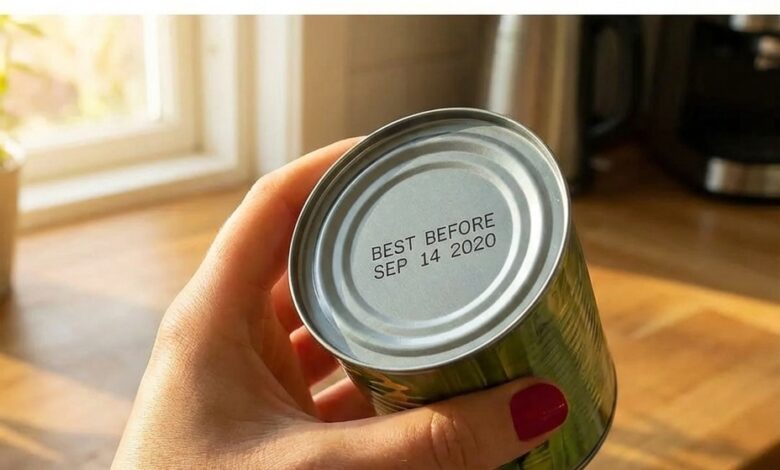
Many people have opened their pantry, noticed a date printed on a can, and immediately wondered whether the food inside was still safe to eat. It’s common to assume that once that date passes, the product must be thrown away. However, the truth is more reassuring. Most dates on canned goods are not strict expiration deadlines—they are guidelines that indicate when the product will be at its best quality. Understanding what these labels actually mean can help you avoid unnecessary waste and feel more confident about the food you keep in your home.
Labels such as “Best By” or “Best Before” are primarily about quality, not safety. These dates reflect the period during which the manufacturer expects the food to maintain its best flavor, texture, and appearance. Even after that date, many canned foods remain safe to use if they have been stored properly. Unlike fresh or refrigerated items, canned goods are designed to be shelf-stable. Keeping them in a cool, dry place, away from heat and direct sunlight, helps preserve their condition for longer periods.
The type of food inside the can also affects how long it keeps its best quality. Foods with higher acidity, such as tomatoes or fruit-based products, may gradually change in flavor or texture sooner than low-acid foods like beans, corn, or meats. Low-acid canned foods often maintain their quality for several years when stored correctly. Over time, you may notice small changes in color or texture, but this does not always mean the food is unsafe. Proper storage plays a key role in maintaining both quality and safety.
Before using any canned product, it’s important to check the can itself. Signs such as swelling, deep dents near seams, rust that penetrates the surface, or leaks may indicate the contents should not be used. When opened, unusual odors or unexpected changes in appearance are also signals to avoid consumption. By learning how to interpret date labels and inspecting cans carefully, you can make smarter decisions, reduce food waste, and ensure your pantry remains both practical and safe.