My Daughter Sent Me a Photo From Scout Camp — Then I Noticed Someone Who Wasn’t Supposed to Be There
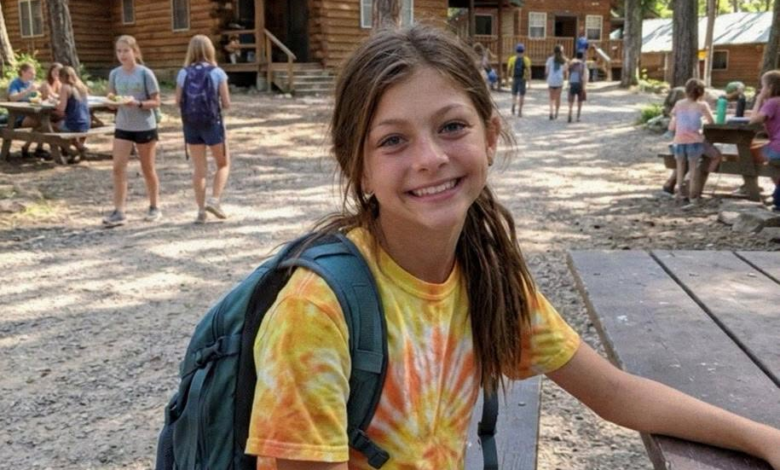
My 12-year-old daughter, Ava, had been away at scout camp for three days when she finally sent me a photo.
She was smiling with her friends near the picnic tables.
Under it, she wrote:
“We just finished training. Everything is fine! Love you and miss you!”
I smiled.
Then I looked at the photo again.
A girl was sitting at the table behind Ava.
It was Maddie.
I knew Maddie.
Her mother had told me the night before that Maddie had become sick and gone home from camp.
So why was she still in the picture?
I immediately called Ava.
No answer.
I called again.
Nothing.
Then I called the camp.
The counselor, Marissa, confirmed something that made my stomach drop: the photo wasn’t from that day.
Ava wasn’t even at training.
She was in the health cabin.
She had supposedly twisted her ankle.
When I arrived at camp, I found Ava sitting on a bed with no bandage, no swelling, and no bruising.
“Show me your ankle,” I said.
She looked down.
Finally, she whispered:
“I wasn’t hurt. But you can’t tell anyone.”
Ava explained that her troop had been cheating in their big competition.
At first, it had been small things. But eventually, enough rules were being broken that Ava became uncomfortable.
She told her friends they needed to stop.
Instead, they pressured her to stay quiet.
They told her everyone would lose if she spoke up.
One girl even mocked her for being the kind of kid who would “run to Mom.”
So Ava sent me an old photo to make me think everything was fine.
Then she faked an injury to avoid participating in the final event.
But there was something even more troubling.
Ava had already told her counselor.
And the counselor hadn’t taken her seriously.
She had told Ava to be careful about accusing people and to think about her teammates.
That’s when I realized my daughter wasn’t just dealing with dishonest kids.
She was dealing with adults who had failed to listen.
The program director, Ms. Alvarez, finally stepped in.
She interviewed the girls separately.
Within hours, the truth came out.
Ava was asked to give a formal statement.
She looked at me and asked:
“If I tell them, our troop gets disqualified.”
“Probably,” I said.
“They’ll hate me.”
“I know.”
“What should I do?”
I wanted to tell her exactly what to do.
But instead, I said:
“I can’t make this choice for you.”
Ava cried.
She didn’t want to lose her friends.
She didn’t want her team to lose.
She just wanted everything to go back to normal.
Finally, she stood up.
“I’ll tell them.”
She gave her statement.
The troop was disqualified.
One of Ava’s closest friends blamed her and told her she’d ruined everything.
But Ava didn’t take it back.
That night, the program director told the girls that the competition was supposed to teach more than camping skills.
It was supposed to teach honesty, judgment, responsibility, and trust.
And sometimes, doing the right thing means knowing people will be angry with you.
On the drive home, Ava suddenly asked:
“Are you disappointed in me?”
I told her I was disappointed that she had lied to me and felt she had to handle everything alone.
“But I’m proud of what you did when you finally had to choose.”
She looked out the window.
“What if Kayla never talks to me again?”
I couldn’t promise that everything would be okay.
So I told her the truth.
“Then telling the truth cost you something real.”
A few days later, Kayla finally texted her.
She was still angry, but admitted that if Ava hadn’t spoken up, the cheating probably would have continued.
And Ava?
She still wasn’t sure whether she’d return to camp next year.
But she told me one thing that made me smile:
“I still like camping.”