What Happens to Your Body When You Eat Chicken Liver Too Often? Doctors ExplainWhat Happens to Your Body When You Eat Chicken Liver Too Often? Doctors Explain
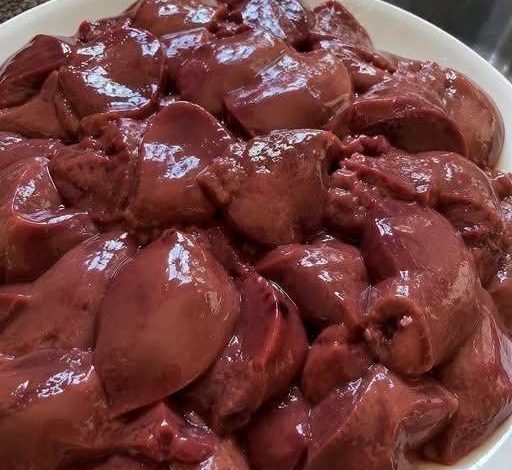
Chicken liver has an interesting reputation.
For some people, it is a traditional comfort food. For others, it is a nutrient-packed ingredient that occasionally appears on the dinner table. It contains several vitamins and minerals that are difficult to get in large amounts from many other foods.
But there is an important catch:
More isn’t always better.
Chicken liver is exceptionally rich in certain nutrients – particularly vitamin A and eating large amounts frequently can push your intake beyond what your body needs.
That doesn’t mean chicken liver is “bad” or that everyone should avoid it. For most healthy adults, the bigger issue is how much, how often, and what else is included in the diet.
Here’s what can happen when chicken liver becomes a very frequent part of your meals.
Chicken Liver Is Extremely Nutrient-Dense
Unlike many foods that provide relatively small amounts of micronutrients, liver is concentrated in several essential nutrients.
Chicken liver provides significant amounts of:
Vitamin A
Vitamin A
Vitamin B12
Vitamin B12
Folate
Folate
Riboflavin
Riboflavin
Iron
Iron
Copper
Copper
Protein
Protein
Other B vitamins and minerals
Other B vitamins and minerals
This nutrient density is one reason liver has traditionally been valued as a food.
But nutrient density also explains why portion size matters.
Eating a small serving occasionally is very different from eating large servings every day.
This is one of the biggest considerations with frequent liver consumption.
Chicken liver contains preformed vitamin A, mainly in the form of retinol.
Vitamin A is essential for:
Normal vision
Normal vision
Immune function
Immune function
Cell growth
Cell growth
Reproduction
Reproduction
Maintaining healthy skin and tissues
Maintaining healthy skin and tissues
Your body needs it.
But excessive amounts of preformed vitamin A can accumulate in the body and cause toxicity.
This is different from getting beta-carotene from foods such as carrots or sweet potatoes. The body regulates conversion of beta-carotene differently, whereas preformed vitamin A from animal foods and supplements can contribute directly to excessive intake.
That’s why regularly eating large amounts of liver can become a concern.
Consistently consuming excessive amounts of preformed vitamin A can cause symptoms of vitamin A toxicity.
Depending on the amount and duration, possible symptoms can include:
Headache
Headache
Nausea
Nausea
Dizziness
Dizziness
Skin changes
Skin changes
Joint or bone discomfort
Joint or bone discomfort
Fatigue
Fatigue
Abnormal liver function
Abnormal liver function
Severe toxicity can cause much more serious problems.
This doesn’t mean that eating chicken liver once in a while will cause vitamin A poisoning.
The concern is repeated high intake.
Someone eating a modest serving occasionally is in a very different situation from someone eating large portions several times a week or combining frequent liver consumption with high-dose vitamin A supplements.
The liver plays a major role in storing and metabolizing vitamin A.
Because liver itself contains a particularly high concentration of preformed vitamin A, regularly consuming large quantities can contribute to excessive vitamin A stores.
This is one reason people shouldn’t think of liver as a food where “the more, the healthier.”
With many vegetables, increasing variety and portions can provide more nutrients without the same concern about preformed vitamin A toxicity.
With liver, moderation becomes much more important.
Not everything about frequent liver consumption is negative.
Chicken liver is particularly rich in vitamin B12, a nutrient involved in:
Red blood cell formation
Red blood cell formation
DNA synthesis
DNA synthesis
Normal neurological function
Normal neurological function
Energy metabolism
Energy metabolism
People who don’t consume many animal foods may have difficulty obtaining sufficient B12 from their regular diet.
However, getting more B12 than your body requires doesn’t necessarily provide additional benefits.
This is an important nutrition principle:
A nutrient being essential doesn’t mean unlimited amounts are better.
Chicken liver also contains iron.
Iron is essential for producing hemoglobin, the protein that allows red blood cells to carry oxygen.
Insufficient iron can contribute to iron-deficiency anemia.
Iron from animal foods is generally more readily absorbed than the non-heme iron found in plant foods.
So for people who need more dietary iron, liver can be a nutrient-dense option.
But again, more isn’t automatically better.
People with certain medical conditions involving excessive iron accumulation should discuss their diet with a healthcare professional rather than deliberately increasing organ-meat consumption.
Chicken liver contains a substantial amount of copper.
Copper is an essential mineral involved in:
Energy production
Energy production
Connective tissue formation
Connective tissue formation
Iron metabolism
Iron metabolism
Nervous-system function
Nervous-system function
Immune function
Immune function
Your body needs copper, but excessive intake can cause problems.
For most people eating a varied diet, copper deficiency isn’t a major concern.
However, regularly consuming very large quantities of organ meats—especially alongside supplements containing copper—may significantly increase intake.
This is another reason moderation makes sense.
Chicken liver also contributes protein.
Protein supports:
Muscle maintenance
Muscle maintenance
Tissue repair
Tissue repair
Enzyme production
Enzyme production
Immune function
Immune function
Normal body structure
Normal body structure
For people trying to build a balanced meal, a moderate serving of chicken liver can contribute meaningful protein along with its micronutrients.
The problem isn’t the protein.
The bigger nutritional issue with excessive liver consumption is the concentration of certain micronutrients.
The health impact of a chicken-liver meal isn’t determined by the liver alone.
Preparation can significantly change the overall nutritional profile.
For example, liver that is heavily fried and served with large amounts of salt, butter, processed meat, or a calorie-dense sauce is a very different meal from lightly cooked liver served with vegetables and whole grains.
If you’re eating liver regularly, consider:
Moderate portions
Moderate portions
Less added salt
Less added salt
Minimal excessive frying
Minimal excessive frying
Plenty of vegetables
Plenty of vegetables
A balanced carbohydrate source
A balanced carbohydrate source
Other protein sources throughout the week
Other protein sources throughout the week
The goal should be dietary variety rather than making one nutrient-dense food the centerpiece of every meal.
There is a common misconception that because the liver is the body’s major detoxification organ, eating liver somehow provides a special detoxifying benefit.
That’s not how nutrition works.
The liver doesn’t become healthier simply because you eat another animal’s liver.
Your own liver performs metabolic and detoxification functions continuously.
Eating chicken liver can provide nutrients, but it isn’t a detox treatment.
There is also no scientific reason to consume huge quantities of liver to “cleanse” your own liver.
Organ meats can contain substantial dietary cholesterol.
For many people, dietary cholesterol has a smaller effect on blood cholesterol levels than the overall pattern of saturated fat intake and other dietary factors.
Nevertheless, people with specific cardiovascular risk factors or conditions affecting cholesterol may need individualized dietary advice.
If your doctor has specifically recommended limiting dietary cholesterol or saturated fat, it’s worth discussing how liver fits into your overall eating pattern.
The answer doesn’t have to be “never.”
It may simply mean smaller portions and less frequent consumption.
This is an especially important point.
Pregnant people should be cautious about eating liver and liver products because of their high concentration of preformed vitamin A.
Excessive intake of preformed vitamin A during pregnancy can harm fetal development.
For that reason, dietary guidance commonly recommends avoiding or limiting liver and liver products during pregnancy.
Anyone who is pregnant, trying to conceive, or taking vitamin A-containing supplements should discuss their intake with their healthcare professional.
This is one situation where “just a little more for extra nutrition” isn’t necessarily a good idea.
Children need vitamin A, iron, B12, and other nutrients for growth and development.
But their nutrient requirements are generally lower than those of adults.
Because liver is so concentrated in vitamin A, regularly giving children large portions isn’t a good strategy for improving nutrition without professional guidance.
A varied diet containing vegetables, fruits, grains, dairy or alternatives, eggs, meat, legumes, and other nutrient-rich foods can provide a broader nutritional profile.
If a child has anemia or another nutritional deficiency, the underlying problem should be evaluated rather than relying on large amounts of liver as a home remedy.
There isn’t one universal amount that is ideal for everyone.
The appropriate frequency depends on:
Portion size
Portion size
Age
Age
Pregnancy status
Pregnancy status
Overall diet
Overall diet
Vitamin A supplements
Vitamin A supplements
Other sources of preformed vitamin A
Other sources of preformed vitamin A
Medical conditions
Medical conditions
Individual nutritional requirements
Individual nutritional requirements
The important point is that chicken liver is not an everyday food for most people.
A small portion occasionally can fit comfortably into a varied diet for many healthy adults.
Eating large portions very frequently is a different matter.
This is an easy detail to overlook.
Someone might eat liver frequently while also taking a multivitamin, cod liver oil, or another supplement containing preformed vitamin A.
The combination can significantly increase total intake.
If you regularly eat liver, check the labels of your supplements.
Look specifically for vitamin A in the form of retinol or other preformed vitamin A, rather than assuming that all vitamin A sources carry the same risk.
If you’re unsure, ask a doctor or registered dietitian.
Cod liver oil is another potential source of preformed vitamin A.
Someone who frequently eats chicken liver and also takes cod liver oil may be consuming substantially more vitamin A than they realize.
This doesn’t mean cod liver oil is inherently unsafe.
It means total intake matters.
Whenever you’re combining nutrient-dense foods with supplements, it’s worth looking at the complete picture rather than considering each source independently.
You don’t necessarily have to eliminate it.
Instead, think about portion control and rotation.
Rather than making chicken liver your primary protein every day, rotate it with foods such as:
Chicken breast
Chicken breast
Eggs
Eggs
Beans
Beans
Lentils
Lentils
Tofu
Tofu
Fish
Fish
Lean meats
Lean meats
Other protein-rich foods
Other protein-rich foods
This gives you a broader range of nutrients while reducing the chance of excessive intake of any single micronutrient.
A simple meal might include:
A moderate serving of chicken liver
plus
A large portion of vegetables
plus
A source of whole-food carbohydrates, such as rice, potatoes, or whole grains.
You can also add fruit elsewhere in the meal or later in the day.
The objective isn’t to make liver the “superfood” of the plate.
It’s to make it one component of a diverse diet.
If you’ve been eating very large quantities of liver or taking high-dose vitamin A supplements and develop unexplained symptoms such as persistent nausea, headaches, dizziness, unusual fatigue, skin changes, or bone/joint discomfort, talk to a healthcare professional.
Likewise, seek individualized advice if you:
Are pregnant or planning pregnancy
Are pregnant or planning pregnancy
Have liver disease
Have liver disease
Have a condition affecting vitamin or mineral metabolism
Have a condition affecting vitamin or mineral metabolism
Take vitamin A supplements
Take vitamin A supplements
Take cod liver oil regularly
Take cod liver oil regularly
Have been diagnosed with excessive iron or copper levels
Have been diagnosed with excessive iron or copper levels
Have significant cardiovascular risk factors
Have significant cardiovascular risk factors
Don’t attempt to diagnose vitamin toxicity based on symptoms alone. Many of these symptoms have numerous possible causes.
There’s another reason preparation matters.
Chicken liver is a raw animal product and can contain harmful bacteria.
It should be handled carefully and cooked thoroughly.
Avoid eating chicken liver that is raw or inadequately cooked.
Use clean utensils and surfaces, prevent cross-contamination with ready-to-eat foods, and refrigerate raw poultry products appropriately.
Food safety is particularly important for pregnant people, young children, older adults, and people with weakened immune systems.
The biggest misconception isn’t that chicken liver is unhealthy.
It’s the idea that because it contains so many nutrients, more must be better.
Chicken liver is almost the opposite of an ordinary low-density food.
It’s highly concentrated.
That makes it useful in a balanced diet—but also means that excessive consumption can provide unusually high amounts of certain nutrients, especially preformed vitamin A.
Think of it less like a food you need to eat every day and more like a nutrient-dense food that can be enjoyed in moderation.
Chicken liver can be an exceptionally nutritious food.
It provides protein, iron, vitamin B12, folate, copper, and especially high amounts of preformed vitamin A.
Those nutrients can be valuable, but they also explain why eating large quantities too frequently isn’t a good idea.
The main concern is excessive intake of preformed vitamin A, particularly when frequent liver consumption is combined with vitamin A-containing supplements or other concentrated sources.
For most healthy adults, the practical lesson isn’t to fear chicken liver.
It’s to watch the portion, avoid making it an everyday staple, vary your protein sources, and consider your total nutrient intake.
And for people who are pregnant, caring for young children, taking vitamin A supplements, or managing a medical condition, personalized advice is especially important.
Chicken liver can absolutely have a place on the menu.
The key is remembering that when it comes to highly concentrated foods, a little can go a long way.