A Devastating Commercial Aviation Disaster Leaves More Than 244 Passengers Feared Dead As Rescue Crews Battle Flame And Time!!!
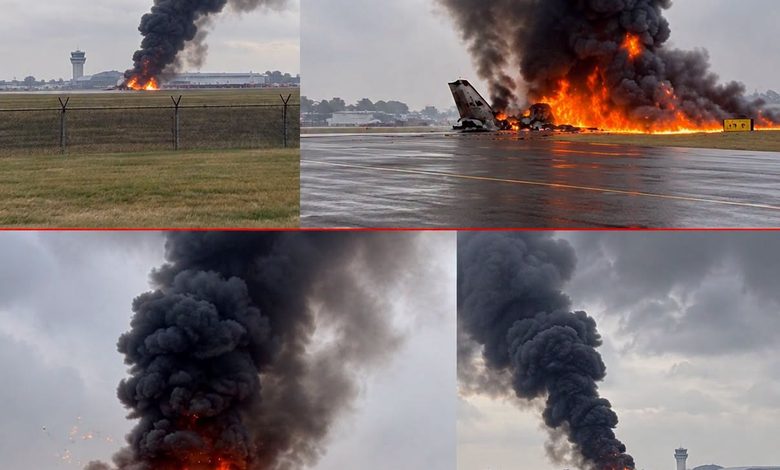
In the hours after the crash, the chaos hardened into something heavier: a stunned, suffocating silence. Makeshift waiting rooms filled with relatives who had memorized flight numbers now stared at doors that never opened. Some clutched phones that would never ring again, others scrolled endlessly for updates that brought only fragments of horror and no trace of hope. Outside, the glow of the burning wreckage stained the sky long after the flames began to fade.
Investigators will eventually map every second of the plane’s final descent, turning terror into timelines and heartbreak into data. They will name causes and assign blame. Yet for the families, no report can bridge the last unanswered text, the empty seat at the table, the future that disappeared in a single violent instant. Long after the world moves on, they will still be living in the pause between “We’ve taken off” and the goodbye that never came.
For the relatives in those waiting rooms, the disaster cannot be reduced to a passenger total. Every number stands for a person who had a place in someone else’s ordinary day. A name on a flight becomes a name that someone keeps repeating, hoping that hearing it spoken might somehow bring an answer closer. The silence around the doors is heavy because so much of life had been expected to continue beyond them.
The phones make that waiting especially painful. They hold the last small traces of an ordinary journey: familiar names, remembered conversations, and the expectation that another message would arrive. Looking at a screen offers something to do when there is nothing useful to do. Putting it down means confronting the same uncertainty without that thin distraction. Neither choice makes the waiting easier.
Outside, the wreckage belongs to a different kind of urgency. Rescue work and the search for answers must continue, even while families experience time as something almost motionless. Those two realities exist beside each other. One is organized around actions, evidence, and the next necessary task. The other is organized around the person who should have walked through a door or answered a call.
An investigation can describe a sequence, but a sequence is not the same as an explanation that makes a loss bearable. Knowing what happened matters. It can establish responsibility and turn unanswered questions into something that can be examined. Yet the language of findings will always be different from the language of a family remembering the voice it expected to hear again.
That is why the aftermath continues beyond the first reports. The empty seat is not an abstract image to the people who live with it. It belongs to the same table where everyday conversations once took place. The future that disappeared was made of plans that may have seemed small at the time, precisely because there had been no reason to imagine they would remain unfinished.
When public attention moves elsewhere, the families do not move at the same pace. For them, the last unanswered message remains part of the present. The disaster leaves a silence that cannot be filled simply by naming its causes. Understanding the final descent may help the world understand the crash. Learning to live with the missing person is a different, much longer journey.