My 78-Year-Old Neighbor Said My Son Was Sneaking Into My Apartment — The Hidden Camera Showed What He Was Really After
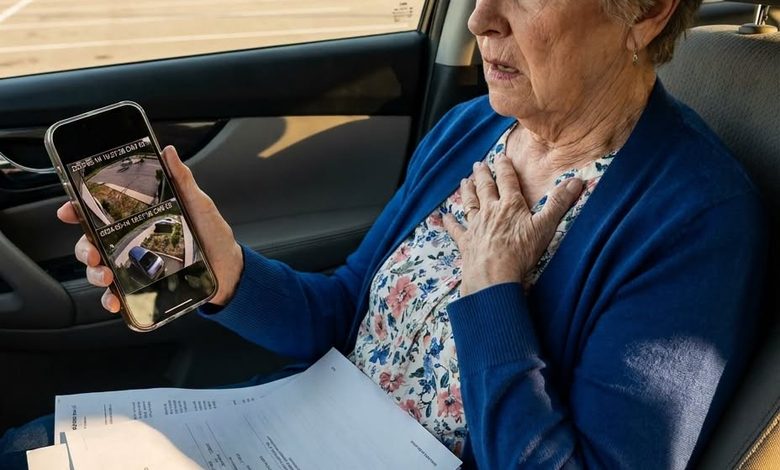
At 9:47 on a Monday morning, the spare-room door opened on my phone screen and my forty-four-year-old son walked straight toward my late husband’s filing cabinet. I was sitting in my car two streets away from garden club, holding the phone with both hands so tightly my fingers hurt. Daniel did not look lost or curious; he opened the third drawer without hesitation, the one containing Frank’s property records and trust documents. Then my daughter-in-law Renee entered carrying a tote bag, took out a portable scanner, and set it on the floor. Daniel began passing her documents one by one. They scanned them carefully, returned them to their folders, and left less than forty minutes later. That was when I understood why my seventy-eight-year-old neighbor Dorothy had stopped me in the stairwell a week earlier and said, “Margaret, do you know your son comes here every Monday while you’re gone?”
Frank had been dead for three years, but his filing cabinet still contained the architecture of our life together: tax returns, insurance policies, investment statements, deeds, and the documents for a Vermont property we had bought in 1987. He believed paperwork was protection, and after forty-four years of marriage I had absorbed enough of his habits to notice when something was wrong. A drawer had been left half an inch open. A folder was bent. Dividers were no longer sitting in exactly the order Frank had kept them. At first I blamed my own memory. Dorothy changed that. She had seen Daniel entering the building on at least three Mondays while I was at garden club, using the key I had given him after Frank died. Instead of confronting him, I installed a small camera facing the cabinet. After watching the footage, I saved copies in multiple places, printed still images, wrote a dated timeline of everything I had noticed, and called Catherine Holt, the real-estate attorney whose business card Frank had insisted I keep in my wallet for “when something real happens.”
Catherine studied the footage and asked one question that made my stomach drop: had I signed anything involving the Vermont property during the previous six months? I had not. A records search then showed a recently recorded quitclaim deed bearing my name and purporting to transfer an interest in the property to a company called DRC Holdings. I recognized the initials immediately—Daniel Robert Calloway. I told Catherine the signature was not mine. She did not promise me that a single sentence in a trust would magically erase a recorded deed; instead, she began the formal work of challenging the instrument, preserving evidence, notifying the appropriate parties, and reviewing whether the recording involved forgery or attempted fraud. Then she showed me something Frank had added to our trust before his death: transfers involving the trust property required additional written authorization and independent review, including involvement from the attorney administering the trust. Catherine had never approved the transaction. Frank had created another layer of protection precisely so that one signature could not quietly move property away from me.
A week later, Daniel and Renee came to Catherine’s office believing they were attending an ordinary trust meeting. On the table were the camera stills, the recorded deed, the trust provisions, Dorothy’s written account of seeing Daniel enter the building, and my timeline. Renee went pale almost immediately. Daniel first denied knowing what Catherine meant, then stopped when she placed the documents in front of him in chronological order. Catherine explained that the disputed deed would be challenged through the proper property-record and court procedures and that any forged signature could carry separate civil and criminal consequences depending on what investigators established. Daniel finally looked at me and said he had made a terrible mistake. I told him it was more than one. I did not decide his punishment in that room, and Catherine did not pretend I controlled what law enforcement or a court might do. What mattered first was securing the property, correcting the record through lawful process, and making certain Daniel could not access my apartment, financial records, or estate documents again.
That afternoon I went home, changed the locks, and opened Frank’s third drawer. I found the trust provision Catherine had shown me and ran my fingers across the language he had approved before he died. For years I had thought of that cabinet as a place where Frank still existed because his handwriting remained on the tabs. Now I understood it differently. He had not merely organized our past; he had protected my future. Dorothy came upstairs for tea at four, as she often did, and asked whether I was all right. I told her I thought I was. She looked toward the spare room and said, “Frank got there first.” I looked at the closed cabinet and nodded. He had not known what Daniel would do. He had simply understood that love sometimes means building safeguards against things you pray will never happen.