People Attacked by Snakes While Using Toilets in Several Regions
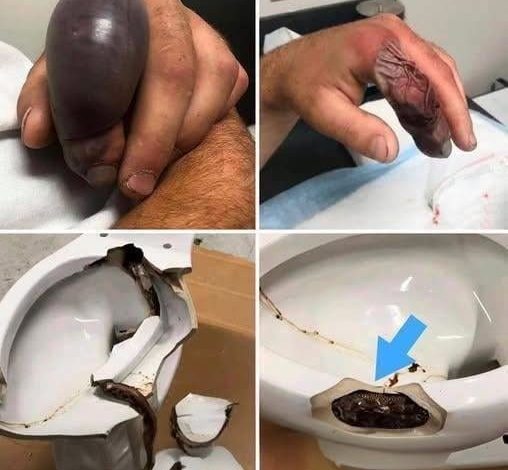
Toilet Snake Bites: Rare but Real Threats Around the World
Though unusual, snake bites from toilets are a genuine hazard in some regions, with incidents reported across several continents. Snakes often enter homes via sewer lines, roof vents, or gaps in bathrooms, particularly during rainy seasons in tropical areas.
In one alarming case in Thailand, a man was bitten on his testicles by a 12-foot python that had taken shelter in his toilet. In South Africa, a Dutch tourist sustained serious genital injuries after a Cape cobra struck in an outdoor restroom. Other incidents include a woman in Texas bitten by a rat snake, and another in Australia who suffered a thigh bite from a carpet python. While all victims survived, some needed surgery and psychological support.
Experts note that snakes can access bathrooms through drains, sewer systems, or damaged pipes, making rural homes and public toilets particularly vulnerable. One specialist explained, “Snakes can slither upward through pipes and appear unexpectedly in toilets,” highlighting the need for caution and awareness in affected areas.
These incidents are frightening, but they remain uncommon. Risk is higher where plumbing connects to open drains, where bathrooms are close to vegetation or waterways, or where damaged pipes provide an easy route indoors. Heavy rain and flooding can also displace animals and push them toward dry shelter.
Simple precautions can reduce the chance of an encounter. Homeowners in affected areas can repair gaps around pipes, use secure drain covers where appropriate, keep vegetation away from exterior walls, and ensure that roof vents are screened without blocking airflow. In rural or outdoor toilets, using a light and checking the bowl and surrounding floor before sitting is a sensible habit.
If a snake is discovered, experts generally advise leaving the room, closing the door if this can be done safely, and contacting local wildlife or emergency services. Trying to catch or kill the animal increases the risk of a bite. A person who is bitten should seek urgent medical attention and avoid improvised treatments that can worsen the injury.
The species involved matters because some snakes are harmless while others carry dangerous venom. However, a frightened person may not be able to identify the animal accurately. A description or photograph taken from a safe distance can help professionals, but personal safety comes first.
The reported cases show how adaptable snakes can be when they search for water, shelter, or prey. They do not enter bathrooms to target people, yet a confined space creates the possibility of a defensive strike. Awareness, maintained plumbing, and a calm response are more useful than alarm. For most households the event is unlikely, but in regions where snakes and open drainage systems overlap, a quick visual check can prevent a serious surprise.
Parents and property managers in higher-risk areas can include bathrooms in routine pest checks, especially after storms. Local wildlife agencies can provide advice suited to native species and building design. Practical prevention keeps a rare event in perspective while still treating the reported injuries seriously.