Dancer adopts an extreme diet, eats only fruit, reaches 22 kilos and dies See more
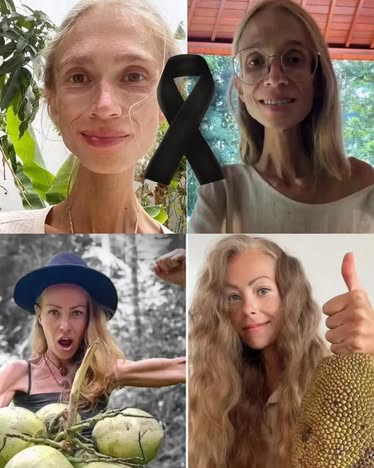
A young dancer, known for her grace and passion for movement, recently drew attention after committing to an extremely strict diet that consisted only of fruit. What began as an attempt to live a “clean” and natural lifestyle quickly spiraled into a dangerous routine that took a toll on her body.
Friends and fellow performers noticed her dramatic weight loss, as she reportedly dropped to around 22 kilograms. Despite their concern, she continued to follow her diet plan, convinced it was the key to health and purity. Sadly, her body could no longer sustain the intense nutritional deficiency caused by the lack of essential nutrients.
Medical experts have since warned about the serious dangers of such extreme eating habits. A diet limited only to fruit can lead to severe imbalances, muscle loss, and weakened immunity — conditions that can quickly become life-threatening without proper care.
Her story serves as a powerful reminder of the importance of balance and professional guidance when it comes to health and nutrition. Behind every trend or “miracle diet,” there are real consequences — and caring for our bodies with moderation and wisdom is always the safest path.
The reported death has focused attention on the risks created when a restrictive eating pattern is treated as a complete health plan. Fruit supplies water, fiber, vitamins, and carbohydrates, but it does not reliably provide enough protein, essential fats, vitamin B12, iron, calcium, sodium, and other nutrients needed to maintain muscles, organs, bones, hormones, and the immune system.
At a reported weight of about 22 kilograms, the dancer’s body would have had very little reserve left. Severe malnutrition can affect the heart, kidneys, brain, and ability to regulate temperature. It can also disturb electrolytes, which are essential for normal heart rhythm and nerve function. A person may still describe the diet as clean or natural even while the body is entering a medical crisis.
Friends reportedly noticed the weight loss and expressed concern, but extreme dietary beliefs can become difficult to challenge. When food rules are tied to identity, purity, or fear, advice from relatives may be dismissed as misunderstanding. That is why rapid weight loss, fainting, weakness, confusion, swelling, or an inability to eat a balanced diet should prompt professional medical help rather than another online nutrition debate.
The story is also a reminder that dancers and other performers can face unusual pressure concerning body size. Training demands energy and recovery. Restricting fuel while asking the body to rehearse, travel, and perform increases the possibility of injury and systemic illness. Responsible coaching should value strength, endurance, and health rather than reward visible thinness.
No single food group can carry every nutritional need. People who choose vegan, raw, or highly plant-based diets can still eat safely, but careful planning and qualified guidance matter. Protein sources, fats, fortified foods, supplements when appropriate, and medical monitoring may all be necessary. The tragedy described in the source should not become a spectacle. Its clearest lesson is that wellness claims must be judged by what they do to the body, and that help should arrive before dramatic weight loss becomes irreversible.