They Promised Peaceful Green Burials What Federal Agents Found Inside This Colorado Funeral Home Shocked the World!
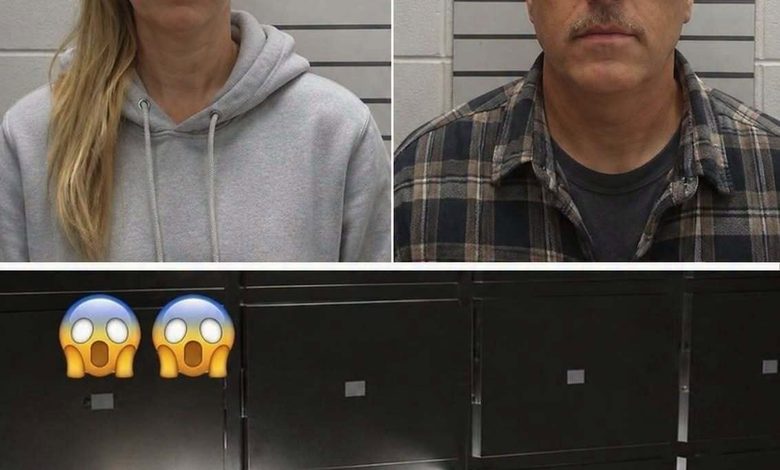
Families thought they were burying their dead with dignity. Instead, they unknowingly funded a grotesque empire of rot, lies, and luxury. In a quiet Colorado town, a “green” funeral home became a secret morgue of decay, fraud, and shattered trust. When the smell finally forced the doors open, what investigators uncovered was so vile, so cold-bloo… Continues…
What happened inside the Return to Nature Funeral Home was not a mistake, but a chilling betrayal carried out in slow motion. Jon and Carie Hallford sold themselves as gentle guides through grief, using the language of “eco-friendly” compassion while quietly discarding the very humanity of those in their care. As bodies decomposed in hidden rooms, they spent freely on designer luxuries, vacations, and cosmetic treatments, converting sorrow into a personal ATM.
For the families, the second loss was often worse than the first. They had already endured funerals, scattered ashes, whispered prayers over urns they cradled like something sacred. Then came the phone calls, the DNA tests, the realization that their goodbyes were built on a lie. No sentence can restore the stolen years of false closure, but their outrage has reshaped Colorado law, tightening oversight so others may never endure this same, unthinkable violation of trust.
The Hallfords operated Return to Nature Funeral Home and promoted environmentally conscious burial services. Families believed their relatives would be treated respectfully and that the remains or ashes returned to them were genuine. Investigators later alleged that those promises concealed a profoundly different reality inside the company’s Colorado property.
Authorities discovered nearly two hundred decomposing bodies stored in conditions that created both a public-health hazard and a scene of extraordinary distress. Families learned that containers they had received as cremated remains could contain dry concrete or other material. That discovery forced relatives to grieve again while waiting for identification and answers about what had happened to the people they entrusted to the funeral home.
The case also involved allegations of financial fraud. Investigators examined payments for services that were not performed and the use of funds intended for funerals and cremations. The alleged conduct shows why funeral-home oversight must cover both the physical treatment of remains and the business records connected to each family.
Colorado officials faced questions about whether existing inspections and licensing requirements were strong enough to detect abuse earlier. Meaningful oversight can include regular inspections, clear tracking of remains, verification of cremations, complaint procedures, and penalties that allow regulators to intervene before conditions become catastrophic.
For affected families, criminal charges cannot restore lost time or erase the shock of receiving false ashes. Identification, truthful communication, counseling, and respectful final arrangements are essential parts of the response. The case is a reminder that funeral services depend on trust at a moment when families are especially vulnerable, and that this trust must be supported by enforceable safeguards rather than promises alone.
The federal investigation and subsequent court proceedings are therefore about more than improper storage. They concern the dignity owed to the dead, the honesty owed to grieving families, and the systems responsible for ensuring that such trust is not abused again.