Sally Field s Candid Hollywood Reflections On Screen Romance and Resilience
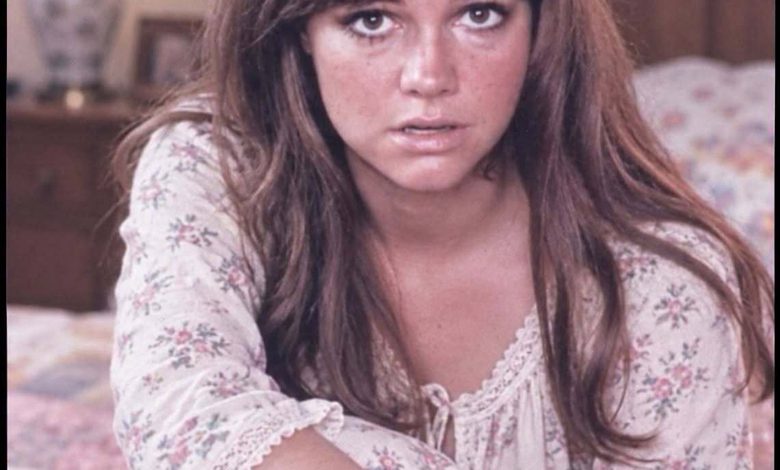
Sally Field didn’t hesitate—she winced. When asked to name her worst on‑screen kiss, the two-time Oscar winner didn’t give a safe, diplomatic answer. She broke Hollywood’s polite code and dropped a bombshell: it was Burt Reynolds. Their real romance, their legendary chemistry, undone by one painfully awkward movie moment. What went wrong between America’s sweethearts in front of the cam… Continues…
Sally Field’s confession about her least favorite on-screen kiss is disarming precisely because it involves Burt Reynolds, a man she once loved deeply off camera. She explained that filming their romantic scenes in Smokey and the Bandit was anything but effortless: strange blocking, technical demands, and Reynolds’ overeager energy turned what should have been movie magic into something stiff and uncomfortable. Her honesty punctures the illusion that real-life passion automatically translates into cinematic perfection, reminding audiences how artificial intimacy can be under hot lights and surrounded by crew.
Yet this playful revelation is just a small, human crack in a towering career. From Gidget and The Flying Nun to Norma Rae, Places in the Heart, Steel Magnolias, Forrest Gump, and beyond, Field has constantly reinvented herself, refusing to be boxed in. Her later work, candid memoir, and ongoing roles in series like Dispatches From Elsewhere and Winning Time show a woman still driven by truth. That same truthfulness—whether about a bad kiss or a lifetime of hardship—is what keeps her legacy alive, intimate, and deeply trusted by generations of viewers.
Field’s comments about on-screen kissing came during a broader conversation about her career and the complicated relationship she had with Burt Reynolds. When asked about her worst screen kiss, she identified Reynolds and explained that the experience involved a great deal of drooling. The answer was humorous, but it also reflected the candor with which she now revisits a famous partnership.
The two actors worked together in several films and became one of Hollywood’s best-known couples. Their relationship contained affection, professional chemistry, and difficulties that Field has described more openly with time. Looking back does not reduce either career to a single romance; it shows how personal and professional memories can remain intertwined decades later.
Field’s career extended far beyond those films. She moved from television roles into acclaimed dramatic work and earned major awards for performances that demanded emotional range. She also resisted the industry’s narrow expectations about what women should look like and which roles they should accept as they age.
The viral caption focuses on criticism of her natural appearance. Field’s continued visibility challenges the idea that aging must be hidden to remain worthy of attention. Lines, gray hair, and physical change record a life and career; they do not erase talent or presence.
Her family life has become another source of joy. As a mother and grandmother, she describes relationships that exist beyond sets, premieres, and reviews. That private dimension helps explain why current reflections often sound more settled than the stories attached to her younger years.
The ocean-view home mentioned in the caption becomes meaningful because it represents a space she shaped for herself. The larger story is not a battle over whether strangers approve of her face. It is the endurance of an actor who survived typecasting, difficult relationships, and changing industry standards while continuing to work and speak in her own voice.