THEY HAD BEEN MARRIED FOR 40 YEARS — WEEKS AFTER THEIR ANNIVERSARY, BOTH WERE FOUND DEAD
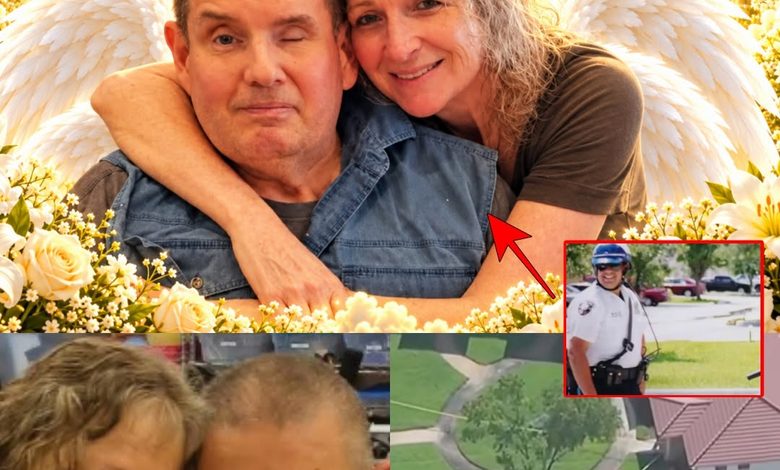
For nearly four decades, John and Joanne Baker built a life together through marriage, parenthood, a demanding career in law enforcement and, eventually, a devastating injury that changed almost every part of their daily lives. Joanne stood beside her husband as he fought his way back from a near-fatal motorcycle crash, documenting his difficult recovery and thanking the people who helped their family through it. Then, only weeks after celebrating approximately 40 years of marriage, both John and Joanne were found dead inside their home.
Shortly after 7 a.m. on September 21, 2026, officers were called to the couple’s residence after a 911 report that two people were unresponsive. Inside, authorities found 62-year-old John Baker and his 59-year-old wife, Joanne Baker. Neither could be saved.
The Broward Sheriff’s Office said its preliminary investigation indicated that Joanne shot John before turning the gun on herself. The Broward County Medical Examiner’s Office was tasked with making the official determination regarding the manner and cause of their deaths. Until that process is completed, the sheriff’s account remains the preliminary investigative finding.
Authorities have not publicly identified a motive. Investigators have also not disclosed what may have happened between the couple in the hours or minutes before the shootings. That unanswered question now hangs over the deaths of two people whose lives had been intertwined for decades.
For those who knew John through his career, the news carried another layer of shock. He was not simply a retired officer but a law-enforcement veteran who had spent nearly 28 years with the Pembroke Pines Police Department. Over those decades, he served the department and community in numerous roles.
John worked road patrol and served as a field training officer. He was involved in traffic homicide investigations and worked within the traffic unit, while also serving at different points as a public information officer and master patrol officer. His career therefore placed him in situations ranging from everyday policing to some of the most traumatic scenes an officer can encounter.
One of his particularly meaningful contributions was helping establish the department’s Crisis Response Team. The team was created to help first responders cope with traumatic experiences encountered through their work. John was among its founding members.
That role reflected a side of policing that rarely receives the same attention as arrests, traffic stops or emergency responses. First responders can carry the emotional consequences of traumatic scenes long after leaving them, and crisis-response programs are designed to provide support during those difficult periods. John helped create a structure intended to support colleagues facing precisely those kinds of experiences.
His involvement in the community extended beyond his regular police responsibilities. John participated in traffic-safety efforts and volunteered with organizations including Mothers Against Drunk Driving. He also supported the Special Olympics Torch Run.
To colleagues and community members, those activities helped define a career built around service. He was remembered not only for the uniform he wore but for the causes to which he gave his time. Even after his career was dramatically altered, his former department said he remained involved with the community.
That change came in 2019. John was riding a police motorcycle while on duty when another vehicle turned in front of him, according to police. The resulting collision nearly killed him.
The injuries were critical and life-changing. John’s ability to speak and move was affected, transforming a veteran police officer accustomed to independence into someone facing a long and uncertain rehabilitation. The path ahead would require medical professionals, family support and enormous effort.
His survival was only the beginning. John spent months undergoing rehabilitation as those around him worked to help him regain as much function as possible. Eventually, he recovered some motor abilities, although the effects of the crash remained with him.
The accident also transformed Joanne’s life. As John’s wife, she became deeply involved in the day-to-day realities of his recovery and ongoing care. She began documenting that journey publicly so others could follow his progress and support the family.
A Facebook group called “John’s Prayer Army” became one place where Joanne shared updates. A GoFundMe campaign was also created following the crash as the family confronted the enormous challenges associated with John’s injuries. Through those platforms, people were given glimpses into a recovery that was measured in small victories as well as continuing difficulties.
Joanne did not portray the process as easy. In one update, she wrote about the everyday challenges involved in caring for John and the effect his injuries continued to have on their lives. Her words described a household adapting to circumstances neither husband nor wife had expected.
She also described John’s gratitude. According to Joanne, he regularly expressed appreciation for her and for the people who helped care for him. Even while coping with his own physical limitations, he apparently understood how dramatically the accident had changed life for those around him.
There were moments when John would apologize to Joanne for what had happened. She wrote that he sometimes said he was sorry for the accident, despite her repeatedly assuring him that it had not been his fault. Those exchanges revealed the emotional burden that existed alongside the physical consequences of the crash.
John had not chosen for another vehicle to turn in front of his motorcycle. Joanne understood that and reportedly reminded him that he was not responsible for what had happened. Yet his apologies suggested that he was aware of the sacrifices and responsibilities his injuries had placed on the people he loved.
The years after 2019 therefore looked very different from the life the Bakers had previously known. John had survived something that could easily have killed him, but survival came with permanent changes. Joanne remained beside him as the family adjusted.
Despite those limitations, John’s former police department said he continued participating in the community. He took part in charity events benefiting children and families with disabilities. His injuries had changed what he could do, but they had not completely separated him from the community that had been central to his adult life.
Former colleagues also remembered his personality. John was described as someone with a positive spirit, even as he lived with the lasting effects of a devastating collision. That memory now exists alongside the disturbing circumstances surrounding his death.
Outside his professional identity, John was a husband and father. He and Joanne had three children together, creating a family over the approximately four decades they spent as a married couple. His former department described him as a devoted father.
John also enjoyed traveling and music. Those ordinary interests provide a glimpse of the person who existed outside the uniform, the crash and the tragedy that eventually brought his name back into the news. To his children, he was their father before he was ever a retired police sergeant.
Joanne’s identity was similarly larger than the final events inside their home. For years, she had publicly documented John’s recovery and the realities of caring for him after his injuries. Her posts became part of the record of a family attempting to rebuild a life after an unexpected catastrophe.
Their marriage had survived the immediate aftermath of the crash and years of rehabilitation that followed. Approximately 40 years after they first built their life together, they were still married. Only weeks before their deaths, they had celebrated their anniversary.
That timing made the news even more difficult for those learning what had happened. A milestone normally associated with memories, commitment and years shared together was followed shortly afterward by the discovery of both spouses dead. Investigators were now tasked with understanding how their long marriage reached such a tragic final morning.
There is an obvious temptation to search through the Bakers’ recent history for an explanation. John’s severe injuries, his ongoing limitations and Joanne’s responsibilities as a caregiver were undeniably part of their lives. Yet authorities have not said those circumstances caused or contributed to the shootings.
That distinction is critical. Caregiving can be physically and emotionally demanding, but the existence of those challenges does not establish a motive for violence. Without evidence from investigators, connecting John’s medical condition or Joanne’s caregiving responsibilities directly to their deaths would be speculation.
Police have not publicly said what happened immediately before the gunfire. They have not described an argument, note, message or other event that would explain why the shooting occurred. The motive remains publicly unknown.
What authorities have provided is their preliminary reconstruction of the deaths. According to the Broward Sheriff’s Office, investigators believe Joanne shot John before shooting herself. The medical examiner’s findings will provide the formal determinations concerning the deaths.
For the Bakers’ three children, however, investigative terminology cannot capture what was lost. They have lost both parents at the same time and under circumstances that may be extraordinarily difficult to process. A family history spanning roughly four decades ended in a matter of moments.
They must also grieve while the deaths are discussed publicly. Their father spent almost 28 years as a police officer, meaning he was known to colleagues, community members and people who followed his recovery after the 2019 crash. Joanne likewise became familiar to some through the updates she shared about her husband’s condition.
Those updates once carried hope. They documented a man who had survived catastrophic injuries and was working toward recovery with the support of his wife, relatives, medical professionals and community. Each improvement represented another small victory after a collision that nearly took John’s life.
The story could easily have ended in 2019 with John’s death from the crash. Instead, he survived and spent years rebuilding pieces of his life. That survival makes the circumstances of September 2026 particularly difficult to reconcile.
John’s professional life had been built around responding to emergencies. He had investigated fatal traffic incidents, worked patrol and helped establish a team designed to support first responders dealing with trauma. Eventually, he became the person whose own catastrophic traffic collision required years of support.
Joanne became central to that support. Through “John’s Prayer Army,” she allowed friends and supporters to follow the recovery and understand some of what the family was experiencing. Her updates captured both progress and hardship.
In one of the most personal details from those updates, John reportedly apologized to his wife for the consequences of the crash. Joanne responded by reminding him that the accident was not his fault. The exchange reflected a relationship adapting to circumstances that neither of them could control.
Seven years after that collision, their lives ended together under circumstances authorities are still investigating. The same family that once rallied around John’s survival was now confronting the deaths of both John and Joanne. Instead of recovery updates, there were police statements and questions about a possible murder-suicide.
For John’s former colleagues, his death also meant remembering decades of service. Nearly 28 years in one police department represents a substantial portion of a person’s adult life. During that time, John moved through numerous roles while building relationships with other officers and community members.
Traffic safety was a particularly visible part of his work. His involvement with Mothers Against Drunk Driving reflected an interest that extended beyond routine enforcement. His participation in the Special Olympics Torch Run showed another side of his community service.
Those details became important after his death because they prevented the final police investigation from becoming the only chapter people remembered. John had spent years working, volunteering, raising children and participating in community events before September 21. His life cannot be reduced to the circumstances in which it ended.
The same is true of Joanne. Although authorities preliminarily believe she was responsible for the shootings, investigators have not publicly explained what led to that morning. Her years as John’s wife and caregiver remain part of the family’s history even as police examine her alleged role in his death.
Acknowledging that history does not change the seriousness of the preliminary findings. If the sheriff’s reconstruction is confirmed, the case involves one spouse killing another before taking her own life. But understanding a person’s earlier life and describing an alleged act accurately are not mutually exclusive.
The absence of a publicly established motive leaves one of the largest questions unanswered. Why would a couple who had shared approximately 40 years together die this way only weeks after celebrating their anniversary? At this stage, authorities have not provided an answer.
Investigators may examine communications, physical evidence and other information from the home as they work to reconstruct the events. The medical examiner will provide findings concerning the deaths, adding another formal piece to the investigation. Whether those findings will explain why the shootings happened is another question entirely.
For the Bakers’ children, a motive may or may not provide comfort. Understanding why something happened does not undo it. They must now face future holidays, birthdays and family milestones without either parent.
John’s grandchildren, relatives, former colleagues and friends may also carry different memories of him. Some will remember the officer working traffic enforcement, while others may remember his volunteer activities or his recovery after the crash. Those closest to him will remember details that never appeared in police biographies or news reports.
There may be memories of music John enjoyed or trips the family took. There may be stories from his years raising three children and moments from a marriage that lasted four decades. Those ordinary memories now exist alongside an ending that no one around the family appears to have expected.
The 2019 motorcycle crash had already forced the Bakers to confront how suddenly life could change. One moment John was performing his duties, and the next he was critically injured because another vehicle turned in front of his motorcycle. His family spent the months and years afterward adapting to a new reality.
That history makes September 21 another abrupt dividing line. Before that morning, John and Joanne were a retired officer living with lasting injuries and the wife who had helped care for him. After officers entered their home, they became the subjects of an apparent murder-suicide investigation.
The preliminary findings inevitably create questions about what might have been happening privately. Yet there is no publicly established evidence in the information available here explaining the couple’s emotional state or relationship immediately before the shootings. Any stronger conclusion would go beyond what authorities have disclosed.
It is therefore important not to transform John’s disability into an explanation without evidence. It is equally important not to assume that Joanne’s caregiving responsibilities provide a motive. Those circumstances are relevant biographical history, but authorities have not connected them to the deaths.
What investigators have said is narrower and more specific. John and Joanne were found unresponsive after officers responded to a 911 call shortly after 7 a.m. The sheriff’s preliminary investigation indicates Joanne shot John and then herself.
The medical examiner now has a crucial role. Formal examination can help establish how the couple died and provide findings that either support or modify the initial investigative understanding. Even then, forensic findings may answer “how” without necessarily answering “why.”
That unanswered “why” is often the question families struggle with most. Physical evidence can establish timelines and injuries, while investigators can reconstruct actions. Understanding the internal decision that led to a fatal act can be far more difficult.
John spent part of his professional life helping build a Crisis Response Team for people facing trauma. Decades later, the people who knew and loved him are themselves confronting a traumatic loss. The irony is painful, but it also underscores the importance of remembering the work he did long before his final day.
His story includes almost 28 years of police service. It includes a devastating motorcycle collision that nearly ended his life, a difficult rehabilitation and years of living with permanent effects. It also includes a wife who publicly documented his recovery and a family that supported him through it.
Joanne’s story includes those same decades from another perspective. She was John’s wife for approximately 40 years and became deeply involved in his care after the crash. Her updates showed that the accident had reshaped everyday life for both of them.
Now the last chapter of their marriage is being examined by investigators. The preliminary account is tragic and disturbing, but it remains incomplete without a publicly established motive and final medical examiner findings. Authorities continue working to determine the circumstances surrounding their deaths.
For their children, the public investigation is only one part of what comes next. They must mourn a father remembered for decades of service while also confronting the preliminary allegation that their mother caused his death before taking her own life. That is a complicated grief few families ever expect to experience.
For John’s former department, the focus has also been on the life he lived before the tragedy. He was remembered as a devoted father, community participant and longtime officer who remained involved even after injuries dramatically changed his life. Those memories preserve a fuller picture than the final morning alone ever could.
Only weeks before the deaths, John and Joanne had marked roughly four decades of marriage. After surviving career pressures, raising three children and enduring the aftermath of John’s catastrophic crash, their shared story appeared to have already passed through extraordinary challenges. No publicly disclosed evidence yet explains what changed before September 21.
Perhaps further investigative findings will provide additional answers. Perhaps evidence from the home or the medical examiner’s conclusions will clarify aspects of the final hours that remain unknown. Until then, the most responsible account is one that separates confirmed history, preliminary police findings and unanswered questions.
John Baker was a retired police sergeant who served nearly 28 years, survived a near-fatal on-duty crash and continued participating in his community despite permanent injuries. Joanne Baker was his wife of approximately four decades, the woman who documented his recovery and described the difficult realities their family faced after that crash. On September 21, both were found dead, leaving three children, a police community and everyone who followed their journey confronting an ending that remains difficult to understand.
The Broward Sheriff’s Office preliminarily believes Joanne killed John before taking her own life, while the official medical findings and broader investigation remain pending. Authorities have not publicly established a motive, and they have not connected John’s injuries or Joanne’s caregiving responsibilities to the shootings. Until more evidence is released, the question at the center of this tragedy remains the same one haunting those who knew them: what happened inside their home before a 40-year marriage ended with two lives lost?