People Vaccinated Against COVID 19 May Be Sick Health Claims and Medical Context
Since the global rollout of COVID-19 vaccines, billions of doses have been administered across different countries. While the vast majority of people experienced either no side effects or only mild symptoms such as soreness, fatigue, or fever, reports of more serious health conditions have occasionally attracted widespread attention.
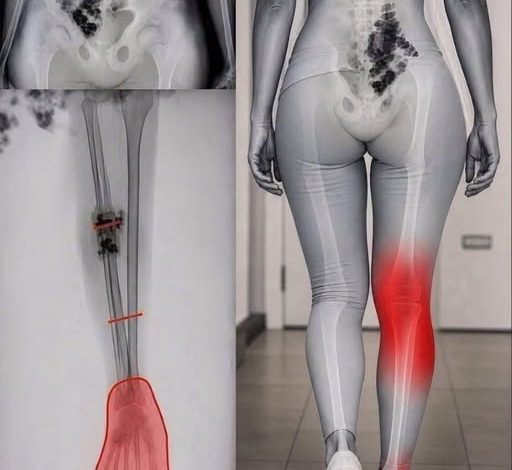
Public concern often grows when dramatic images or personal stories appear online. In many cases, these stories are shared without full medical context, making it difficult for readers to determine whether a health problem was actually caused by vaccination or resulted from another underlying condition.
Medical experts explain that every large vaccination program generates reports of illnesses occurring after vaccination simply because millions of people are being monitored. Some individuals will naturally develop medical problems unrelated to the vaccine during the same period
Researchers continue to analyze large datasets to identify genuine vaccine-related risks. Transparency has become an important part of public health communication, allowing healthcare providers to investigate unusual cases while maintaining confidence in evidence-based medicine.
Understanding the difference between correlation and causation remains essential. Just because two events occur close together does not automatically mean one caused the other.
Known rare risks are evaluated by comparing the number of cases observed after vaccination with the number expected in a similar unvaccinated population. Researchers also examine timing, age, sex, medical history, laboratory findings, and whether the same pattern appears in different countries. A single report can alert scientists to a possible signal, but it cannot establish the frequency or cause on its own.
Health agencies update guidance when evidence identifies a genuine association. That process has included warnings, age-specific recommendations, monitoring instructions, and changes to which vaccine may be preferred for certain groups. Open reporting is meant to detect problems quickly, not to prove that every event entered into a database was caused by a dose.
People who develop persistent or severe symptoms should seek medical care rather than relying on social-media explanations. Chest pain, difficulty breathing, neurological changes, or signs of a severe allergic reaction require prompt professional assessment. A clinician can review the timing of vaccination alongside infections, medications, and underlying conditions.
COVID-19 infection itself can also produce cardiovascular, neurological, and inflammatory complications. Any discussion of vaccine risk is incomplete if it ignores the risks associated with the disease the vaccines are intended to reduce.
Individual experiences deserve to be heard with care, but they should be presented with accurate medical context. The safest conclusion comes from large studies and continuing surveillance, combined with advice tailored to the patient’s history. Questions about a specific reaction belong with a qualified health professional who can examine the person, not with a caption that offers a diagnosis from a photograph.
People making a vaccination decision should discuss their age, previous reactions, current health, and local recommendations with a clinician. Guidance can change as new evidence accumulates and as different formulations become available. Careful questions are compatible with vaccination; they are best answered with documented risk estimates and an individualized medical assessment rather than fear or dismissal.