The TV Icon Has Passed Away Peacefully at 82
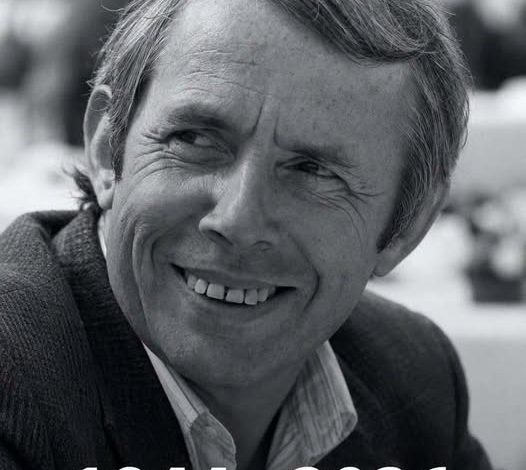
Richard O’Sullivan was one of the familiar faces of British television comedy, remembered by generations of viewers for his warmth, timing, and memorable performances. His career reached a particularly wide audience through Man About the House, the popular sitcom in which he played Robin Tripp. The series became an important part of British television history, and O’Sullivan’s performance helped make the character one of the era’s recognizable comic personalities. His work also became familiar to international audiences as the show found viewers beyond Britain.
Born in London in 1944, O’Sullivan began working as an actor while still young and gradually built a career across television, film, and theatre. His early experiences helped him develop the natural comic timing that later became one of his trademarks. Rather than relying on exaggerated performances, he often brought an easygoing quality to his characters, allowing humor to emerge naturally from everyday situations. That approach made him particularly well suited to sitcoms, where personality and timing were central to the success of a scene.
Richard O’Sullivan’s legacy ultimately rests on the connection he created with audiences through his performances. Television careers can change dramatically with time, but memorable characters often remain accessible through reruns and changing generations of viewers. His work continues to provide a snapshot of British comedy from an important era, preserving the distinctive style and warmth that made him a recognizable figure on screen.
His story is therefore not only about the later difficulties he experienced, but also about the years of entertainment that came before them. Richard O’Sullivan gave audiences countless moments of laughter, and those performances remain part of the television history that introduced his work to viewers in Britain and far beyond.
The appeal of a performer like O’Sullivan came from making a character feel familiar. Robin Tripp belonged to a comedy built around ordinary people and the complications of sharing a life with others. O’Sullivan’s relaxed presence helped those situations feel recognizable, even as misunderstandings and comic exchanges gave them their television rhythm. Viewers could enjoy the jokes while also finding something human in the person delivering them.
That balance required more than a memorable line. Comedy depends on listening, reacting, and knowing when to leave room for another performer. The natural timing described throughout O’Sullivan’s career gave his scenes an easy flow. A pause, an expression, or a simple response could become as important as a larger comic moment. It was a style that drew attention to the situation rather than overwhelming it.
His experience across different forms of acting also gives context to that screen presence. Work in film, theatre, and television involves different demands, but each asks an actor to communicate clearly with an audience. The years he spent building those skills helped shape the familiar performances for which he became known. His television success was part of a longer working life in entertainment.
For audiences returning to those programs, the connection is often personal. A familiar sitcom can recall the people with whom it was watched, the routines surrounding it, and the shared pleasure of a joke understood together. O’Sullivan’s place in that experience helps explain why his name remains connected with affection. The lasting value of his work lies in those performances and the laughter they continue to preserve.