Death row inmate’s grim last meal request changed the rules forever in Texas
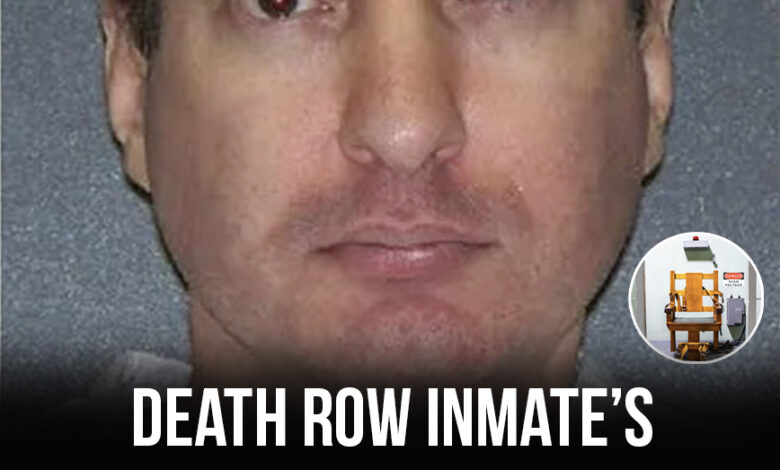
It is a psychological curiosity that has permeated casual conversation for centuries: if you knew exactly when your life would end, what would your final meal be? For most, the answer involves a sense of comfort—a favorite steak, a childhood dessert, or a decadent burger. But in the state of Texas, the answer is now predetermined and decidedly mundane. The inmate eats what everyone else eats.
The abolition of the “special last meal” in the Lone Star State didn’t happen by accident, nor was it a gradual policy shift. It was the direct result of a calculated act of defiance by one of the state’s most notorious killers: Lawrence Russell Brewer.
A Crime That Shook the Conscience of a Nation
To understand the end of the tradition, one must first revisit the darkness of the crime that put Brewer on death row. In 1998, Jasper, Texas, became the site of one of the most horrific racially motivated murders in modern American history.
Brewer, a committed white supremacist, along with Shawn Berry and John King, targeted James Byrd Jr., a 49-year-old Black man. The details of the assault are stomach-turning: the men beat Byrd, humiliated him, and spray-painted his face. The torture culminated when they tied Byrd by his ankles to a Ford pickup truck and dragged him for three miles along a paved road.
Forensic evidence revealed the true horror: Byrd remained conscious through much of the ordeal. He died only when his body struck the edge of a culvert, a collision that decapitated him and severed his right arm. The brutality of the act led to a landmark moment in Texas jurisprudence; Brewer and King were the first white men in modern Texas history to be sentenced to death for killing a Black man. The case was so influential that it led to the 2009 passage of the James Byrd Jr. Hate Crimes Act, a federal law signed by President Barack Obama to expand protections against bias-motivated violence.
The “Shocking Spread” That Broke the System
On September 21, 2011, Lawrence Russell Brewer was scheduled for execution. Following decades of Texas tradition, he was granted the privilege of a final meal request. While inmates often asked for modest comforts, Brewer’s request was a sprawling, logistical nightmare designed to strain the prison’s resources.
According to records from the Houston Chronicle, Brewer’s order included:
- Two chicken-fried steaks with gravy and sliced onions.
- A triple-meat bacon cheeseburger.
- A cheese omelet with ground beef, tomatoes, onions, bell peppers, and jalapeños.
- A bowl of fried okra with ketchup.
- One pound of barbecued meat and half a loaf of white bread.
- Three fajitas.
- A “Meat Lover’s” pizza.
- One pint of Blue Bell “Homemade Vanilla” ice cream.
- A slab of peanut butter fudge with crushed peanuts.
- Three root beers.
Prison staff meticulously prepared the massive spread. However, when the tray was placed before him, Brewer looked at the mountain of food and refused to eat a single morsel. He told the guards he “wasn’t hungry.” The entire feast was unceremoniously discarded.
The Legislative Backlash: “Enough is Enough”
The stunt did more than just waste food; it ignited a political firestorm. State Senator John Whitmire, then-chairman of the Senate Criminal Justice Committee, was incensed by what he viewed as a manipulative mockery of the system.
In a blistering letter to Texas prison chief Brad Livingston, Whitmire demanded an immediate end to the practice. “It is extremely inappropriate to give a person sentenced to death such a privilege,” Whitmire wrote. He characterized the tradition as hypocritical, suggesting it was a way for the system to “feel good” about an execution. He famously concluded: “This old boy last night… enough is enough.”
Livingston moved swiftly. Within hours of receiving the letter, the policy was changed. Since that day in 2011, death row inmates in Texas are served only the standard meal provided to the rest of the unit—no substitutions, no requests.
A Divided Verdict on Mercy
The decision remains a point of contention among advocates and insiders. Ray Hill, a well-known prison reform advocate, criticized the move as “cruel and unusual,” arguing that a final act of mercy is a hallmark of a civilized society, regardless of the inmate’s crimes.
Conversely, Brian Price, a former prison chef who prepared over 200 last meals and authored the book Meals to Die For, offered a more pragmatic view. He argued that the public perception of these meals was often a myth. According to Price, the “extravagance” was frequently limited by what was available in the commissary. “If they order lobster, they get a piece of frozen pollack,” Price noted, suggesting that Whitmire was using the Brewer incident as a “political soapbox” rather than addressing a genuine luxury in the system.
Ultimately, Lawrence Russell Brewer went to his death by lethal injection without uttering any final words. His legacy in the Texas penal system, however, remains etched in the cafeteria trays of every inmate who has followed him: a tradition of ancient origin, ended by a final act of spite.