I highly doubt that the post will be read carefully or shared, but I will still make it.
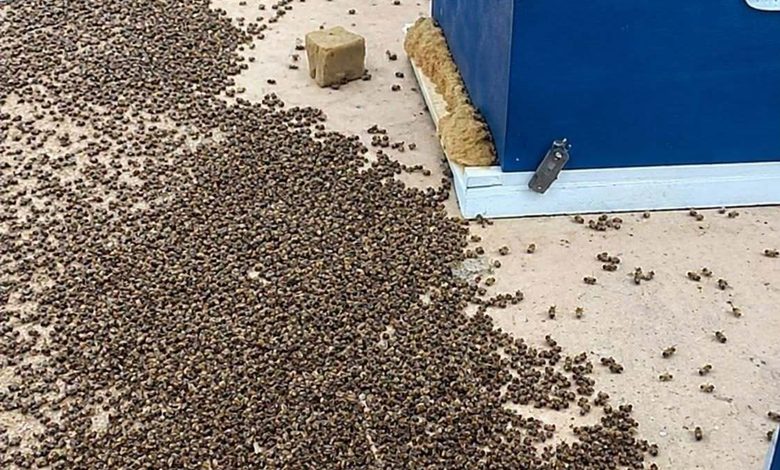
Bees are dying, and the danger reaches far beyond the hive.
As pesticides and vanishing habitats put pollinators under growing pressure, the plants that feed people and sustain wildlife face an increasingly uncertain future.
Behind every struggling colony lies a warning about our farms, our ecosystems, and the choices that could still protect these fragile lives before we los…
Bees help countless flowering plants reproduce, supporting biodiversity and many crops that bring variety and nutrition to our meals.
Yet harmful pesticide exposure, deforestation, and the loss of flower-rich habitats are making survival harder for these essential pollinators. When nesting sites disappear and food sources shrink, colonies and wild bee populations can struggle.
The consequences extend beyond honey: weakened pollination can affect harvests and the wildlife that depends on healthy plant communities.
Protecting bees requires practical changes, not simply concern. Reducing harmful chemicals, adopting pollinator-friendly farming methods, and restoring diverse native flowers can provide safer places to feed and nest.
Monitoring bee health helps identify emerging problems, while support for responsible beekeepers—including well-run hive-adoption programs—can strengthen local care efforts.
Wild bees also need protection, especially through habitat conservation. For farmers, communities, and consumers alike, safeguarding pollinators is an investment in resilient ecosystems and the food systems future generations will inherit.