HE SERVED HIS COUNTRY — BUT THE ROLE HE LOVED MOST WAS BEING DAD TO HIS TWO LITTLE GIRLS
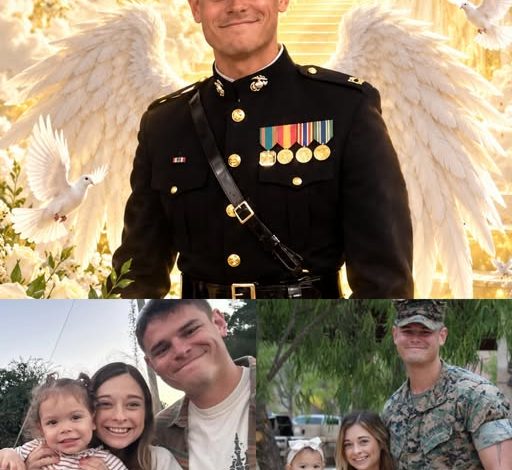
Captain Garrett Pearson had already lived a life filled with discipline, service and ambition by the time he was 30 years old. He had been a standout athlete, a Marine officer and a respected leader among the people who served beside him. But those closest to Garrett say none of those titles mattered to him as much as being a husband and a father.
On October 3, Garrett died following an accident during military training with Marine Corps Special Operations Command, commonly known as MARSOC. The accident occurred during training off the coast of South Florida, turning what should have been another day of preparation and service into an unimaginable tragedy. In a matter of moments, his wife Autumn became a widow and their two young daughters lost the father who adored them.
Garrett leaves behind 3-year-old Maisie and baby Hazel, who will celebrate her first birthday without her father this December. Their lives had only just begun, and so much of the future Garrett expected to share with them will now exist only in stories, photographs and memories passed down by the people who knew him. That reality is what has made his death especially painful for his family and friends.
The girls are far too young to fully understand the enormity of what has happened. Maisie may have memories of her father’s voice, his hugs or the way he carried her, while Hazel may grow up knowing him mostly through photographs and the stories others tell. Their mother will now carry the difficult responsibility of making sure both daughters understand just how deeply their father loved them.
For Autumn, the loss is impossible to separate from the life the couple had been building together. They were raising two young children, sharing the exhausting and beautiful routines of early parenthood and planning a future that was supposed to contain decades more memories. Now she is being asked to grieve the man she loved while also caring for two little girls who will continue needing her every day.
There is no simple way to prepare for that kind of loss. One day, a family is making ordinary plans, managing bedtime routines and thinking about the weeks ahead. The next, everything they assumed about the future has changed.
Friends who knew Garrett and Autumn have begun sharing memories that reveal the life behind the military title. Rachel, a family friend, spoke publicly about Garrett because she wanted people to understand that this was not only the loss of a Marine captain. It was the loss of a husband, a father, a friend and a man whose presence mattered deeply to the people around him.
Another close friend, Loren, described a bond that had stretched across major chapters of life. “We grew up together, lived through deployments and hard seasons together, raised our kids together, and celebrated so much of life side by side,” she wrote. Her words captured the kind of history that makes sudden loss feel even more impossible to accept.
Those friendships were built through circumstances most families will never experience. Military life can involve long separations, dangerous assignments, sudden changes and the constant knowledge that service carries risk. People who live through those seasons together often become more like family than friends.
Garrett’s story, however, began long before his military career. Fellow Marine Tristan shared that Garrett had once been such a talented baseball player that the Baltimore Orioles drafted him out of high school. At 6 feet 6 inches tall, Garrett already stood out physically, but his athletic ability gave him a path few young players ever experience.
He later played baseball at Virginia Commonwealth University, continuing a sport that had already opened extraordinary doors for him. For many people, being drafted into professional baseball would have been the dream that defined the rest of their lives. Garrett eventually chose a different direction.
He decided to serve his country as a Marine officer. That decision meant stepping away from one remarkable opportunity and pursuing another path built around leadership, responsibility and sacrifice. It also showed the determination that friends would later describe when talking about the kind of man he became.
Garrett’s height made him impossible to overlook when he entered a room, but Tristan said physical presence was not what made him a memorable leader. What stood out most was the way Garrett treated the people around him. Respect, character and the ability to make others feel valued became far more important than his size or rank.
Leadership in the military can be measured in training, decisions and performance under pressure. But the people who serve alongside someone often remember smaller moments just as strongly. They remember whether a leader listened, whether he treated people fairly and whether he took care of those under his responsibility.
According to those closest to Garrett, those qualities were part of who he was. His military career demanded strength, but the people mourning him describe a man whose strength was connected to kindness. That combination made him someone others were willing to follow.
Still, the title that apparently mattered most to Garrett existed far away from uniforms and military formations. At home, he was simply Dad. Maisie and Hazel were the center of a world that friends say he treasured more than anything else.
Parenthood changes the meaning of ordinary moments. A military officer who might spend his professional life making serious decisions can come home and find himself holding a toddler, changing diapers or trying to make a baby laugh. Those are the memories Garrett’s daughters deserved to have for many more years.
Maisie should have been able to grow old enough to ask her father about his life. She should have heard him tell stories about baseball, military service and the people he met along the way. She should have had the opportunity to form her own understanding of the man everyone now describes to her.
Hazel should have known him through more than photographs. She should have reached birthdays where Garrett stood beside her, watched her learn to walk and heard her first full sentences. Instead, her first birthday will arrive with one person painfully missing.
That December milestone may be one of the first major reminders of the future Garrett will not physically share with his family. A child’s first birthday is normally filled with celebration, photographs and stories about how quickly the first year passed. For Autumn, it will also carry the knowledge that Hazel’s father should have been there.
The same may be true of countless milestones to come. First days of school, sports games, graduations and birthdays can become moments of both joy and grief when someone important is missing. The girls may celebrate while still wondering what it would have felt like to have their father standing beside them.
That is why the memories being shared now matter so much. Maisie and Hazel will eventually be old enough to ask questions about Garrett that their mother cannot answer alone. Every friend, teammate and fellow Marine who tells a story gives the girls another piece of their father.
They may one day learn about the teenager talented enough to be drafted by the Baltimore Orioles. They may hear about the college baseball player who stood 6 feet 6 inches tall and seemed built for a life in sports. Then they will learn how he chose to become a Marine.
They will also hear about the kind of leader he was. Fellow Marines may tell them about the way their father treated people, the standards he set and the respect he earned. Those stories can help transform a military photograph into a fuller picture of the man behind the uniform.
Most importantly, they will hear stories about his love for them. Friends can tell them how Garrett spoke about his daughters, how his face changed when he saw them and what being their father meant to him. Those details may become especially precious as the girls grow older.
For Autumn, preserving those memories may become part of the way she keeps Garrett present in their home. She may save photographs, videos, letters or pieces of his military career for the girls to see when they are ready. She may tell the same stories repeatedly because some memories deserve to be heard more than once.
Grief can make memory feel fragile. Families sometimes worry they will forget the exact sound of someone’s voice or the way that person laughed. Photographs and stories become a way of protecting details that time might otherwise soften.
The military community surrounding Garrett’s family may also become an important source of support. Friends who understood deployments and difficult seasons already shared years of life with the couple. Now they may help Autumn and the girls through a season none of them ever wanted to face.
There is a particular kind of bond among families who have lived through military life together. They celebrate promotions, births and homecomings, but they also understand the fear that can accompany dangerous service. When tragedy comes, those relationships can become a lifeline.
Garrett’s death occurred during training, a reminder that military service can carry danger even outside of combat. Training is designed to prepare service members for demanding and unpredictable situations. Those preparations themselves can sometimes involve serious risk.
For families, that reality can be difficult to reconcile. A loved one may leave home for what appears to be another routine training period, with everyone expecting him to return. When he does not, the ordinary goodbye suddenly becomes something far more significant.
Autumn may replay those final interactions for years. She may remember what Garrett said before leaving, what the girls were doing and whether anyone knew that moment would become part of the family’s final memories with him. Sudden loss often gives ordinary details a weight they never carried before.
Garrett’s friends are now asking others to keep Autumn and the girls in their thoughts and prayers. Their request is not only about the days immediately following the accident. The hardest moments may continue long after public attention moves elsewhere.
The first weeks after a death often bring calls, messages, food and visitors. Eventually, the world begins returning to normal for everyone except the family most directly affected. That is often when grief can feel especially lonely.
Autumn will still be parenting two young girls when the condolences become less frequent. She will still face sleepless nights, birthdays, illnesses and everyday decisions without the husband who was supposed to be sharing them with her. Those quiet responsibilities may become some of the most difficult parts of the loss.
Maisie and Hazel will also understand their father’s death differently as they grow. A toddler’s understanding of death is very different from a teenager’s. Each new stage may bring new questions and a new version of grief.
One day, they may ask why their father chose military service. They may want to understand what MARSOC was, what Garrett did and why his service mattered. They may also simply want to know what he was like when nobody else was watching.
The answer will likely be found in many different stories. Some will come from Marines who saw him as a leader, others from friends who knew him long before his military career. The most intimate stories will come from Autumn, who knew the husband and father behind everything else.
Garrett’s life cannot be summarized by the accident that killed him. His death is the reason strangers are learning his name, but it is not the most important thing about him. The years before October 3 tell the larger story.
He was an athlete talented enough to be drafted. He became a college baseball player and later a Marine officer whose leadership was remembered not just for authority but for how he treated people. Then he became the father of two girls who, according to those around him, became the most important part of his life.
His story contains achievement, but it also contains choice. He could have pursued one kind of dream through baseball and instead chose another path through military service. Later, fatherhood appears to have given those accomplishments an entirely new meaning.
There is often a temptation after a military death to speak only in terms of service and sacrifice. Those things matter, especially to the people who understand what Garrett committed himself to. But his family’s grief is much more personal than any uniform.
Autumn did not lose an abstract symbol of service. She lost the person she expected to grow old beside. Maisie and Hazel did not lose a rank — they lost their daddy.
That distinction deserves to remain at the center of his story. Garrett’s military career may explain where the accident happened and why he was training. His love for his family explains why the loss hurts so deeply.
Years from now, Maisie may look at photographs and recognize herself in her father’s face. Hazel may hear that she has one of his expressions or mannerisms. Those connections can become a way of discovering someone they were not given enough time to know.
Their father’s friends can help fill in the spaces photographs cannot. They can describe how Garrett laughed, what frustrated him, what he was proud of and the kinds of jokes he told. Small details can sometimes make a person feel more real than the biggest achievements ever could.
Perhaps the girls will also hear about the way he loved baseball. Someone may show them photographs of Garrett in uniform long before he wore a Marine uniform. They may discover that their father once stood at the beginning of a completely different dream.
That knowledge may help them understand that a life can take unexpected turns. Garrett did not follow only one path. He pursued excellence in different ways and built a life that ultimately centered on service and family.
Nothing about those accomplishments makes his death easier to accept. If anything, the future he had already begun building makes the loss feel even larger. At 30, Garrett should have had decades left.
He should have watched Maisie become a teenager. He should have danced with his daughters at weddings if they chose to marry one day. He should have had the chance to become the older man telling stories about military service and baseball to grandchildren.
Those imagined futures are part of what his family has lost. Grief includes memories of what happened, but it also includes mourning what will never happen. That is especially true when someone dies so young.
For now, Autumn must take life one day at a time. She has two little girls who need her while she is carrying a grief large enough to make ordinary life feel impossible. The strength required for that task should never be underestimated.
Friends can help by continuing to show up. They can remember important dates, check in months from now and tell Garrett’s daughters stories as they grow. Support does not need to end when the funeral does.
And perhaps one day, when Maisie and Hazel are old enough to fully understand, they will read the messages people leave for them now. They may see that strangers honored their father’s service and that people who knew him wanted them to understand how deeply he loved them. Those words could become something they return to on the days his absence feels especially heavy.
🇺🇸 Captain Garrett Pearson was only 30 when his life ended during military training, leaving behind a wife who loved him and two little girls who should have had many more years with their father. He had once been talented enough to be drafted into professional baseball, later chose to serve as a Marine officer and earned respect as a leader who treated people well. But the people closest to him say his greatest role was never athlete or Marine — it was simply being Dad.