There is actually a rule, and now I finally understand the reason…
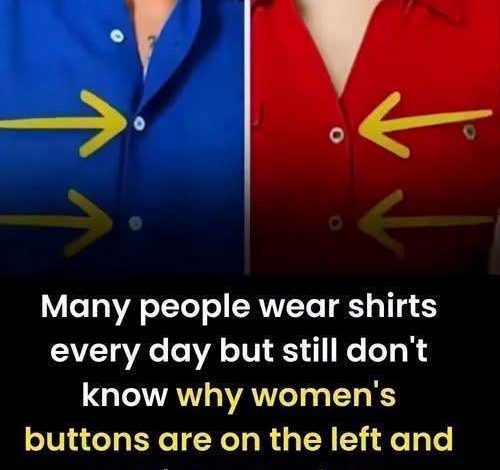
Your shirt may be carrying a social divide you have never noticed.
Buttons usually sit on opposite sides for men and women, a tiny difference tied to stories of servants, status, and swords.
But behind this familiar detail lies a more unsettling question: how much of what we wear is still shaped by rules handed down through forgotten hist…
On most men’s shirts, buttons sit on the wearer’s right; on most women’s shirts, they sit on the left. One widely repeated explanation points to wealthy women who relied on servants to dress them.
Left-side buttons would have been convenient for a right-handed attendant facing the wearer. Men, meanwhile, generally dressed themselves, making right-side buttons practical for right-handed wearers.
Another theory connects men’s fastening conventions to carrying weapons, although these explanations should not be mistaken for a single, conclusively documented origin.
What endured was the convention itself. As clothing production expanded, established patterns helped preserve different fastening arrangements for men’s and women’s garments. Whatever combination of customs first shaped them, those arrangements outlasted the circumstances commonly used to explain them.
Today, button placement is largely a matter of tradition, not necessity—a quiet reminder that everyday clothing can retain traces of older social expectations long after their original meaning fades.