Why Are Some Electrical Outlets Installed Upside Down? The Practical Reasons Behind This Common Home Feature
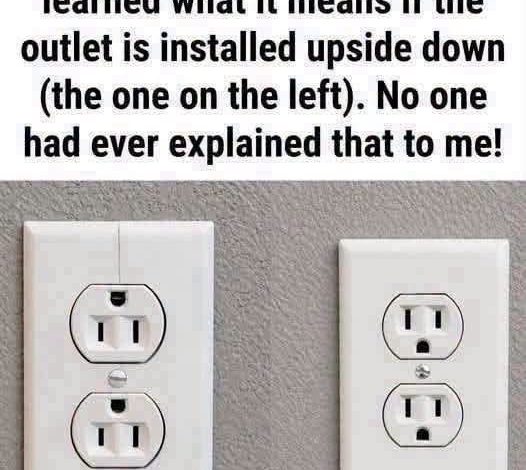
That upside-down outlet might not be a mistake at all.
The detail you barely noticed could reveal how your room was designed to work, turning an everyday fixture into a clue about your home’s past. But before you assume you know what it means, one important distinction could change your understanding of the real reason behind that unusual posi…
An outlet with its grounding slot at the top is often installed that way deliberately. In some homes, particularly older ones, electricians used this orientation to identify receptacles controlled by a wall switch.
Before overhead lighting became commonplace, those connections made table and floor lamps convenient to operate from the doorway. Sometimes, only one socket is switched, while the other stays powered for a clock, charger, or another device.
What looks like a careless installation may therefore reflect a practical household routine.
Still, orientation alone cannot tell you how an outlet is wired. There is no universal rule requiring switched receptacles to face a particular direction; local requirements, safety preferences, and installer habits can vary.
To check an intact outlet, plug in a small lamp and try nearby switches, testing each socket separately. If anything appears damaged or feels loose, stop using it and consult a qualified electrician rather than investigating the wiring yourself.