A Man Blamed Himself for His Wife’s Death During Childbirth—Until Her Mother Revealed a Heartbreaking Secret
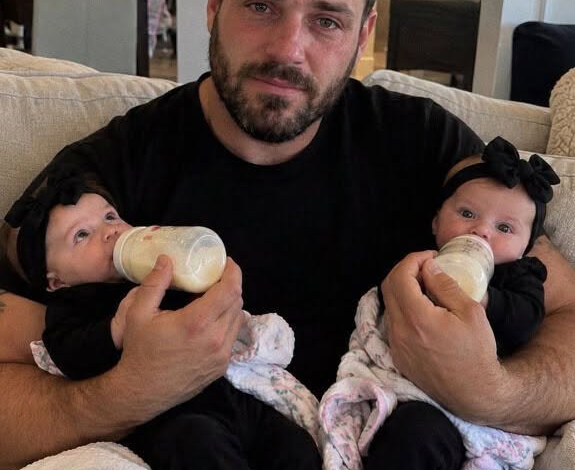
For three months after his wife, Mary, died giving birth to their twin daughters, a grieving father lived with unbearable guilt. He believed that saving his babies had somehow cost him the woman he loved. Meanwhile, his mother-in-law remained distant, responding coldly to the pictures he sent and leaving him wondering whether she blamed him for Mary’s death.
Then, one day, she arrived at his door carrying a letter her daughter had written before giving birth.
What he discovered inside changed everything.
The letter revealed a painful secret about Mary’s childhood. After her father died, her mother had become so consumed by grief that Mary grew up feeling as though she mattered less than the person her mother had lost. That experience left Mary terrified that her own children might one day feel unwanted if tragedy ever struck their family.
Before giving birth, Mary had shared those fears with her mother and asked her to make one important promise: if anything happened to her, she would stay close to the twins and make sure they always felt loved.
But after Mary’s death, the grandmother had been unable to face the babies who reminded her so painfully of her daughter. Overwhelmed by grief, she withdrew from their lives, unknowingly repeating the very mistake Mary had feared.
The letter also revealed something the grieving father desperately needed to hear. Mary had trusted him completely. She knew he would love their daughters even while mourning her. When she insisted at the hospital that the babies be saved, she wasn’t asking him to choose them instead of her. She was trusting him to honor her wishes.
For the first time, he began to understand that loving his daughters did not mean he had chosen them over their mother. And missing Mary did not mean he wished his daughters had never been born.
Her mother began confronting her own guilt, realizing that her absence was only passing her pain down to another generation.
Healing didn’t happen overnight. The grandmother returned day after day, helping care for the twins, sharing stories about Mary, and learning to face her grief instead of running from it.
Eventually, the father took Mary’s sweatshirt out of the hospital bag where he had kept it untouched for months. He realized that remembering his wife didn’t mean he had to stop living.
Neither of them could undo what had happened. But together, they began building a future around the two little girls Mary had loved before she ever held them in her arms.
He made himself a promise: his daughters would grow up knowing they were wanted, that their mother had loved them deeply, and that they never had to feel guilty for surviving.
Sometimes, grief makes people withdraw from the very people who need them most. But Mary’s letter gave her family something they had almost lost—the chance to understand one another, forgive themselves, and choose love even in the middle of heartbreak.