Hidden Life in Dust Tubes
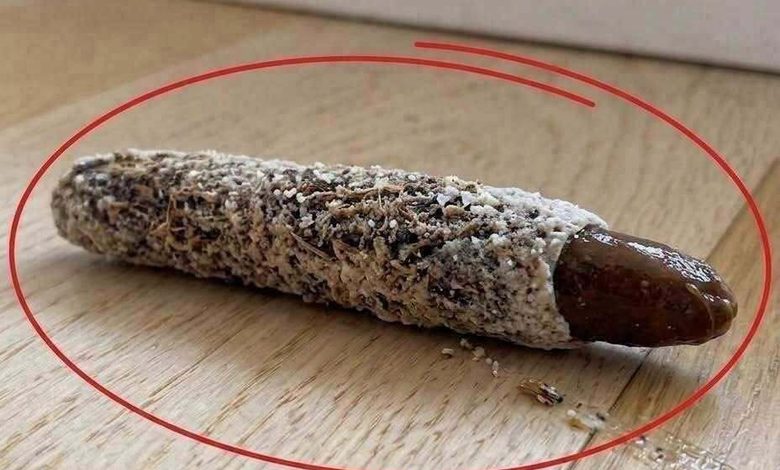
That harmless speck by the wall might be carrying something alive.
A rough little tube with a brown shape peeking from one end can hide a larva inside a shelter made from household debris. One discovery need not mean trouble, but finding more near treasured fabrics raises a question worth asking before you sweep away another tiny hidden shel…
The object’s appearance suggested a case-bearing moth larva, possibly a household casebearer, rather than ordinary dirt. These insects construct portable coverings from silk reinforced with dust, hair, lint, and other small particles.
The occupant reaches through an opening to crawl and feed, then withdraws when disturbed. Its camouflage makes it easy to miss along baseboards or beneath furniture.
Still, the case alone cannot establish the exact species, because different insects build similar protective structures.
A single find is not proof of an infestation.
Remove it with a tissue or vacuum, then clean nearby corners and places where fibers collect. If several appear around clothing or carpets, inspect natural materials for holes, shed skins, and other insect activity; some related moth larvae damage wool, silk, fur, and feathers. Repeated discoveries may warrant a clear photograph or professional identification.
The useful response is attention, not alarm: investigate what is there before assuming the worst.