Lauren Tewes Left Hollywood Spotlight Behind After Personal Tragedies and Built a New Life as a Cheese Specialist
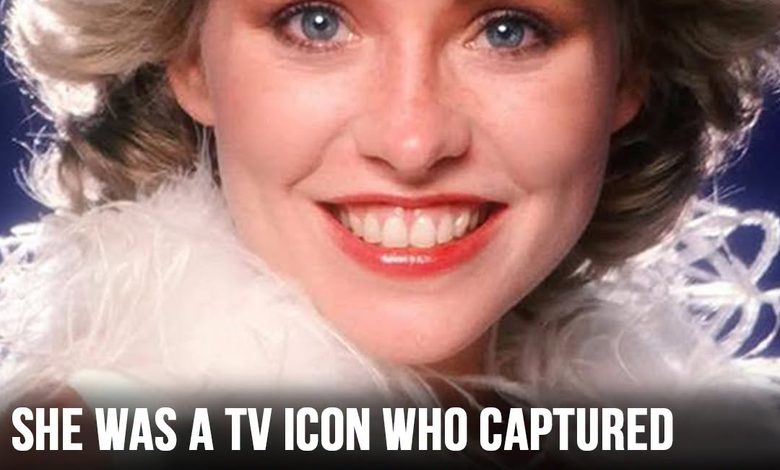
Lauren Tewes became a familiar face to millions of television viewers after playing cruise director Julie McCoy on the popular series The Love Boat. But behind the show’s cheerful atmosphere, the actress was dealing with serious personal struggles that eventually changed the direction of her career.
After seven seasons on the hit series, Tewes was dismissed in 1984 amid her battle with cocaine addiction. She later rebuilt her life, returned to performing and developed a new career in the culinary world, becoming a cheese specialist for a Seattle-based catering company.
Her journey has included professional setbacks, addiction recovery and devastating family losses.
Becoming a Star on The Love Boat
When The Love Boat premiered in 1977, it quickly became a television favorite. The series followed the crew and passengers aboard the Pacific Princess, with each episode featuring romantic encounters, personal dramas and occasional comedy.
Tewes was just 23 when she landed the role of Julie McCoy, the ship’s friendly and enthusiastic cruise director. She reportedly beat more than 100 other candidates for the part.
She appeared alongside a well-known ensemble that included Gavin MacLeod as Captain Stubing, Bernie Kopell as Doc, Fred Grandy as Gopher and Ted Lange as bartender Isaac.
For seven years, Tewes remained a central part of the show’s appeal. However, her career took a difficult turn as her personal problems began affecting her professional life.
In 1984, she was dismissed from the series because of her cocaine addiction. Executive producer Douglas Cramer later described the situation as disruptive to the production.
The decision marked a major turning point for the actress, who had spent years building her reputation on one of television’s most recognizable programs.
Her Struggle With Cocaine Addiction
Tewes later spoke openly about how cocaine entered her life shortly after she landed her role on The Love Boat.
She explained that she first tried the drug while heading to a party with a date. At the time, she believed it gave her confidence and made her feel stronger and more courageous.
As her use increased, however, the consequences became increasingly serious. She acknowledged that much of the money she earned went toward her addiction rather than being saved for her future.
In a later interview with Oprah Winfrey, Tewes described feeling ashamed, guilty and disappointed in herself. She said she eventually recognized that she had become trapped in a situation she could not overcome alone.
Her struggle unfolded during a period when addiction was often treated as a disciplinary issue in the entertainment industry rather than a health problem requiring treatment and support.
Tewes began trying to stop using cocaine in 1980, but achieving sobriety took several years. She later recalled realizing that her lifestyle was harming her health and consuming her money, prompting her to stop completely.
Although losing her television role was painful, she continued working toward recovery and finding a new direction.
Rebuilding Her Life Through Theater
After leaving The Love Boat, Tewes focused more heavily on theater, where she could continue acting and explore directing.
She eventually moved to Seattle after meeting Robert Nadir in 1993 while performing in an Arizona theater production. The couple maintained a long-distance relationship for about a year before she joined him in Washington.
Tewes later described the move as a positive change, saying the local theater community had welcomed her.
The couple married in 1996, and for a time she appeared to have found a more settled chapter of her life.
But another devastating loss followed. In 2002, Nadir was diagnosed with amyotrophic lateral sclerosis, commonly known as ALS. He died later that year at just 46.
It was not the first time Tewes had experienced profound grief. In 1987, she lost her infant daughter, who had been born prematurely and died at one month old.
These experiences added further hardship to a life that had already included addiction and the loss of a major television career.
A Career That Never Completely Disappeared
Although Tewes never regained the same level of fame she enjoyed during The Love Boat, she continued working in entertainment.
She made appearances in television productions, including Who’s the Boss?, The Fugitive and Twin Peaks. She also returned to the world of The Love Boat through an appearance on The Love Boat: The Next Wave.
Her former castmates have continued to speak warmly about her. Jill Whelan, who played Vicki Stubing, has described Tewes as a close friend and praised her acting ability, particularly her skill at moving between comedy and drama.
Whelan has also spoken about spending time with Tewes, sharing meals, laughter and memories from their years working together.
Fred Grandy, who played Gopher, has reflected on the circumstances surrounding her dismissal. He suggested that addiction was handled very differently in the early 1980s and that Tewes did not receive the kind of care and treatment that might be expected today.
His comments offered another perspective on the difficult period, highlighting how attitudes toward substance abuse in the workplace have changed over time.
From Television Actress to Cheese Specialist
In a surprising career shift, Tewes developed an interest in the culinary world and became a cheese specialist with a catering company based in Seattle.
The work gave her a professional identity outside Hollywood while allowing her to explore a different set of skills.
She has also remained involved in entertainment, including voice work for Murder and the Murdochs, a comedy-mystery radio series produced by Imagination Theatre.
Her life today looks very different from the glamorous image audiences associated with Julie McCoy. Rather than relying solely on acting opportunities, she has built a career that combines her creative background with her interest in food.
For Tewes, the change represents a way to continue moving forward while keeping her connection to the entertainment industry.
Looking Back Without Giving Up
Tewes has previously expressed hope that the most difficult parts of her life are behind her. She has also said she believes she made the right decision by continuing to pursue her own path, even when the industry appeared to be closing its doors to her.
Her story reflects the complicated reality of early fame. A successful television role brought recognition and opportunity, but it did not protect her from addiction, grief or professional setbacks.
Despite losing her place on a beloved series, Tewes continued acting, pursued recovery and found new ways to build a meaningful working life.
Her former colleagues still remember her as a talented performer and valued friend. Meanwhile, her journey beyond Hollywood shows that a person’s life and career can continue to evolve long after their most famous role has ended.