Understanding the Risks and Rewards of Living Liver Donation! sotd!
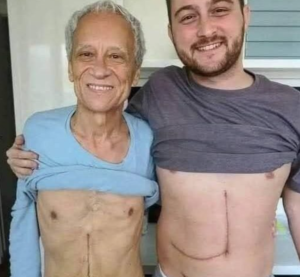
The medical landscape of 2026 continues to be marked by a remarkable fusion of biological innovation and human selflessness, most notably in the field of living liver donation. As of March 1, 2026, this procedure stands as a profound testament to familial devotion, a literal “giving of oneself” to ensure the survival of another. Unlike many other organ donations, which often stem from tragic events, living liver donation is a proactive, courageous act that underscores the resilience of both the human body and spirit. For families grappling with chronic illness, this path offers an alternative to the long waitlists for deceased-donor organs, providing a second chance at life when time is in short supply.
The biological foundation of this miracle lies in the liver’s unique ability to regenerate. It is the only internal organ capable of full restoration after significant tissue loss. When a living donor undergoes surgery, up to sixty percent of their healthy liver is removed and transplanted into the recipient. Within months, both the donor’s remaining liver and the recipient’s newly transplanted portion regenerate to nearly their original size and function. This regenerative power is why living liver donation has become a cornerstone of modern transplant medicine, particularly for older adults whose health may decline too quickly to wait for a conventional transplant.
A Narrative of Intergenerational Sacrifice
The most common form of this procedure is the adult child stepping forward to save a parent. Imagine a son discovering that his father’s liver disease has reached a critical point. In a world of geopolitical chaos—from military coalitions in the Middle East to political upheavals in Washington—the quiet heroism of a son offering half of his liver provides a powerful counter-narrative of love. The process starts with a rigorous evaluation, where transplant teams assess the donor’s physical health, psychological readiness, and organ compatibility.
When the green light is given, the logistical precision of the operation is extraordinary. Both the donor and recipient are taken to adjacent operating theaters, ensuring that the liver segment spends the shortest possible time outside the human body. This “tandem surgery” maximizes the chances of immediate function in the recipient. For the father, receiving a fresh, living segment from a healthy relative leads to faster recovery and better long-term outcomes than receiving an organ from a deceased donor. The son’s act is not merely medical; it is a profound legacy of love that reshapes the family’s future for generations.
The Realities of the Recovery Journey
However, it is important to acknowledge the realities of living donation: it is major surgery, and the recovery process is rarely straightforward. While the “gift of life” is an inspiring notion, the weeks following the procedure are marked by significant physical and emotional strain. Donors typically remain hospitalized for five to seven days for intensive monitoring. The early recovery at home involves profound fatigue as the body channels immense energy toward the liver’s regeneration.
In 2026, safety protocols are more advanced than ever, but risks like bile duct complications, infections, or fluid buildup still exist. In rare cases, donors may face extended hospital stays or additional procedures. For older family members witnessing this process, these risks can create a complex emotional environment—a mixture of pride in the donor’s courage and fear for their well-being. This period requires a robust support network, as the “hero” often needs as much care as the recipient they saved.
Strengthening the Familial Fabric
Beyond the biological success of the transplant, the social impact on the family is often transformative. These trials strip away the trivialities of daily life, forcing families to focus on what truly matters. Siblings who may have grown apart find themselves reunited in the hospital waiting room, while grandchildren witness firsthand what it means to care for their elders. The recipient, often a patriarch or matriarch, gains a renewed sense of purpose, shaped by the profound gratitude they feel—a debt that can never be fully repaid, only honored through a commitment to health.
The community’s response often mirrors this internal family strength. In 2026, digital support groups and local outreach programs have proven highly effective in supporting transplant families. From meal trains to financial aid for post-operative medications, these collective efforts remind us that while the surgery may take place between two people, the healing happens within the community.
Legacy, Ethics, and the Future of Care
Looking ahead to the future of transplant medicine, the ethical considerations surrounding living donation continue to evolve. Transplant centers now prioritize the long-term mental health of the donor, ensuring they are not coerced into the procedure. The “informed consent” process has become more comprehensive, including sessions with independent advocates who represent the donor’s interests alone, separate from the recipient’s medical team.
For the aging population, these stories are more than medical curiosities; they serve as a call to have difficult but necessary conversations about health, legacy, and the limits of medical intervention. They remind us to cherish the connections we have while we have them. Living liver donation exemplifies the idea that our bodies are not just individual vessels but part of an interconnected web of life. A father who regains his strength to walk his granddaughter down the aisle or a son who discovers new purpose through sacrifice embodies human resilience.
The Heart of Living Liver Donation
Ultimately, the journey of living liver donation is defined by hope: hope that science can enable a miracle, that the body can heal, and that love can overcome the fear of the surgeon’s knife. Each case carries its uncertainties, but the courage shown by those who choose to donate leaves a lasting impression of humanity’s best qualities. In a year marked by many challenges, the selflessness in the transplant ward remains a beacon of light, proving that even in our most vulnerable moments, we have the power to save each other.