Eating Just One Bite Is Already Harmful — But Many Still Eat It Without Worry
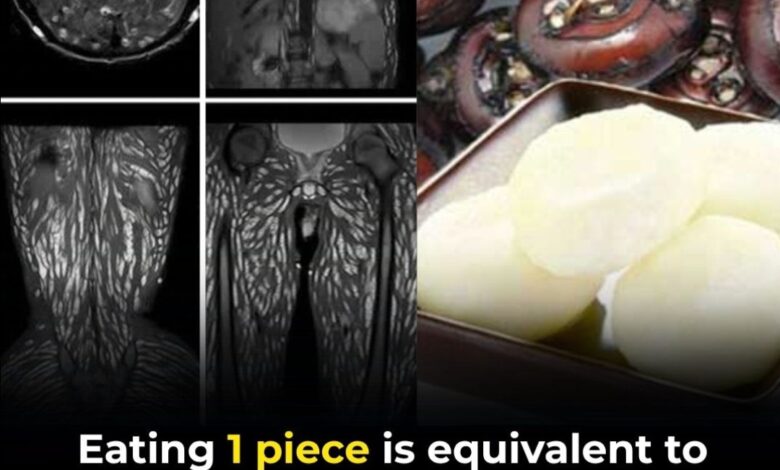
While the idea of “dangerous parasites” might sound like something out of a thriller, the reality is that simple, science-backed habits can turn your kitchen into a safe haven. As we move through 2025, health organizations like the WHO continue to emphasize that awareness is your strongest defense against these biological “hitchhikers.”
The Heavy Hitters: Common Parasites & Their Sources
Parasites differ from bacteria because they often require a host to survive and can be remarkably resilient to cold. Here is how they typically enter the human body:
| Parasite Category | Notable Examples | Primary Sources | Health Impact |
| Tapeworms | Taenia solium, Diphyllobothrium | Undercooked pork, beef, or raw freshwater fish. | Digestive distress; can migrate to muscles or the brain (Cysticercosis). |
| Roundworms | Trichinella spiralis, Anisakis | Undercooked wild game, pork, or raw marine fish (sushi). | Muscle pain, fever, and severe abdominal cramping. |
| Protozoa | Giardia, Toxoplasma, Cryptosporidium | Contaminated water, unwashed produce, unpasteurized dairy. | Chronic diarrhea, fatigue, and risks during pregnancy. |
Critical Safety Rules for 2025
1.Master the Internal Temperature
Color is not a reliable indicator of safety. Parasites like Trichinella are killed only when the internal temperature reaches a specific threshold.
- Pork, Beef, Lamb (Steaks/Chops): 145°F (63°C) with a mandatory 3-minute rest time.
- Ground Meats: 160°F (71°C).
- Poultry: 165°F (74°C).
- Fish: 145°F (63°C) or until the flesh is opaque and flakes easily.
2. The “Scrub, Don’t Just Rinse” Method
Produce can carry eggs from contaminated soil or water.
- Running Water: Always wash under a stream. Rub firm produce (melons, potatoes) with a clean vegetable brush.
- Leafy Greens: Remove and discard the outermost leaves. Submerge the remaining leaves in a bowl of cold water to loosen grit, then rinse individually.
- The Vinegar Soak: While not 100% effective against all parasites, a solution of 1 part vinegar to 3 parts water can help reduce bacterial load and some surface pathogens.
3. Sushi Safety: The Deep Freeze
If you enjoy raw fish, ensure it is “sushi-grade.” This isn’t just a marketing term; it means the fish has been frozen at ultra-low temperatures (e.g., -4°F / -20°C for 7 days or -31°F / -35°C for 15 hours) specifically to kill parasites like Anisakis. Home freezers are generally not cold enough to guarantee this.
4. Water Wisdom
Parasites like Giardia and Cryptosporidium are notoriously resistant to chlorine.
- Travel: In areas with questionable water, stick to bottled water (check that the seal is intact) or boil water for at least 1 full minute.
- Ice: Avoid ice in high-risk areas, as freezing does not kill these protozoa.
Beyond the Plate: Strategic Hygiene
- Handwashing: The most common transmission route is “fecal-oral.” Proper handwashing after using the restroom or handling raw meat is your primary barrier.
- Cross-Contamination: Use separate cutting boards for raw meats and fresh produce.
Did You Know? Neurocysticercosis (caused by pork tapeworm eggs) is a leading cause of adult-onset seizures globally. It is often spread not by eating pork, but by poor hand hygiene from someone already carrying the tapeworm.