Former FBI Deputy Director Urges Americans to Stockpile Emergency Supplies
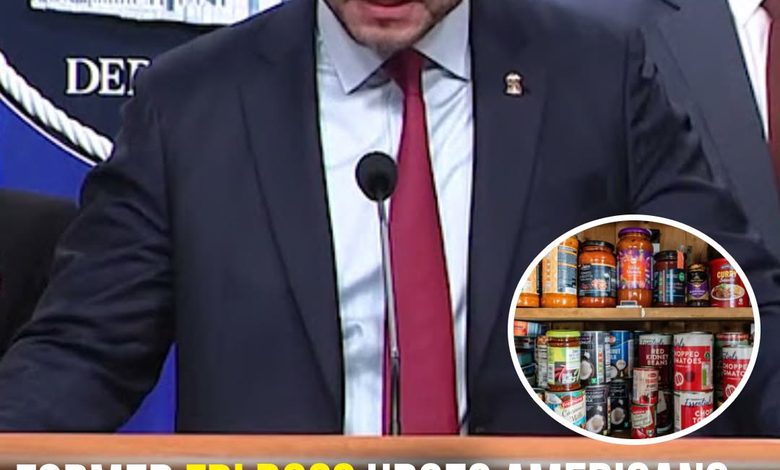
Former FBI Deputy Director Dan Bongino is encouraging Americans to prepare for unexpected emergencies by keeping essential supplies at home. His recommendation is for households to have at least three days’ worth of food, drinking water and backup power available in case normal services are disrupted.
Bongino shared the warning during a recent episode of The Dan Bongino Show, shortly after details emerged about a Pentagon initiative known as FORTRESS. The programme is designed to help US military bases remain operational for up to 90 days without relying on civilian infrastructure.
His message to listeners was clear: families should not wait until an emergency happens before getting ready.
“Get your stuff today. Please. Do it for your family,” Bongino urged.
He also warned people against assuming that nearby households would have extra supplies to share if an emergency affected access to everyday necessities.
The Essential Supplies Bongino Wants Families to Have
During the podcast, Bongino outlined several items he believes households should keep ready in case of a major disruption.
His recommendations included an emergency radio, spare batteries, emergency food, equipment for collecting rainwater and supplies for filtering drinking water. He also mentioned water purification tablets as another useful item.
Bongino explained that emergency preparations might seem unnecessary when life is going normally. However, he argued that having supplies available could make a significant difference during a difficult situation, particularly for families with children.
He described the possibility of parents being unable to provide their children with something as basic as drinking water as a situation people should try to prevent.
He also advised listeners not to depend entirely on their neighbours for assistance, arguing that other families might be facing the same shortages.
Bongino connected his advice to the Pentagon’s efforts to strengthen the independence of military installations. While the government works to protect national infrastructure, he believes individual households should also take responsibility for their own preparedness.
His message was that families should create their own version of a secure base at home, whether they live in a house or an apartment.
What Is the Pentagon’s FORTRESS Initiative?
The FORTRESS programme is a Pentagon effort aimed at ensuring US military bases can continue operating for at least 90 days if civilian infrastructure becomes unavailable.
The initiative focuses on reducing the military’s dependence on public electricity networks, municipal water systems and conventional civilian supply chains.
Pentagon chief spokesperson Sean Parnell explained the reasoning behind the programme in comments to Fox News, saying the military does not want national defence operations to depend on standard civilian infrastructure.
The reported plans include several measures intended to improve the resilience of military installations.
These include portable nuclear reactors, large battery storage systems and independent electricity grids that could help bases continue functioning during widespread power outages.
The initiative also involves identifying civilian factories that could potentially switch to manufacturing defence equipment when required.
Other preparations reportedly include building or maintaining supplies of ammunition, fuel, critical minerals and medical equipment.
The purpose is to ensure military facilities can maintain their operations during serious disruptions. However, the programme should not be interpreted as confirmation that a nationwide infrastructure collapse is expected or about to happen.
FEMA’s Emergency Preparedness Recommendations
Bongino is not the only one encouraging Americans to prepare in advance. The Federal Emergency Management Agency (FEMA), through its Ready.gov programme, also advises households to maintain emergency supplies.
Its guidance recommends having enough essentials to manage for at least three days, with preparations ideally extending to two weeks.
Some of the main items recommended include:
- Drinking water: One gallon per person per day for drinking and sanitation.
- Non-perishable food: Enough food for the household, preferably items that do not require cooking.
- Emergency radio: A battery-powered or hand-crank weather radio to receive important updates.
- Lighting: Flashlights and extra batteries in case electricity is unavailable.
- Medical supplies: A first aid kit and a seven-to-10-day supply of prescription medication.
- Hygiene products: Garbage bags, wet wipes and other sanitation essentials.
- Backup power: Portable phone chargers and power banks.
- Shelter materials: Dust masks, plastic sheeting and duct tape.
- Navigation equipment: Local maps in case digital services or navigation systems stop working.
These items can help families manage temporary emergencies, including severe storms, extended power outages and other situations that interrupt access to essential services.
Other Countries Are Encouraging Similar Preparations
The United States is not alone in urging residents to keep emergency supplies at home. Several European countries have also issued preparedness recommendations, including Sweden, Germany, Ireland, the Netherlands and France.
The United Kingdom has updated its civil emergency guidance as well, encouraging households to maintain enough essential supplies to get through approximately three days without normal services.
The recommendations are intended to help people cope with situations such as severe weather, cyberattacks and other disruptions that could affect electricity, water or access to shops.
Japan has also taken steps in this direction. According to the report, the country’s disaster management minister announced that households would be formally encouraged to maintain at least three days’ worth of food, water and toilet supplies beginning November 2.
Although the details vary from country to country, the general advice is similar: people should be able to manage for a short period if essential services become unavailable.
Such recommendations are part of broader emergency planning and do not necessarily mean governments expect a major crisis to occur.
Bongino ended his warning with a simple message about the importance of being prepared rather than waiting until a problem arises.
“Panic kills. Prepare,” he said.