The Childhood Photograph Behind a Familiar Presidential Face
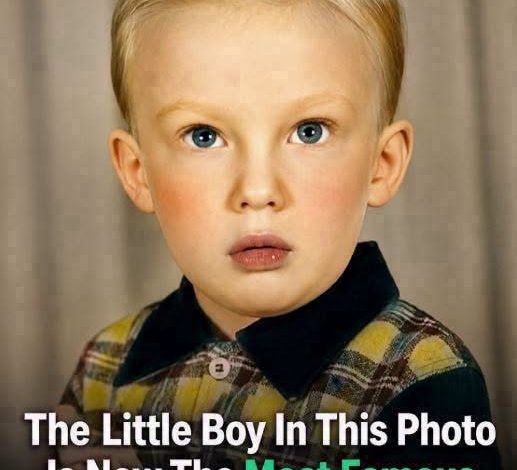
The little boy was Donald J. Trump, born in Queens, New York, on June 14, 1946, the fourth of Fred and Mary Trump’s five children. His father’s real-estate business helped shape the path he would eventually follow. After attending military school and graduating from Wharton in 1968, Trump entered the family business, later building a public identity through property development, branding, and The Apprentice . He won the presidency in 2016 and again in 2024, becoming America’s 45th and 47th president.
Knowing that history changes the experience of looking at the picture. Admirers may recognize the beginnings of an ambitious rise; opponents may think of the controversies and conflicts that followed. Yet neither reading belongs to the moment itself. The photograph offers no explanation for his later decisions and no prediction of his impact. Its appeal lies in that distance: an ordinary childhood instant, viewed through everything the world now knows.
Childhood photographs invite a particular kind of hindsight. Once the person in the frame becomes famous, viewers begin searching the small details for signs of the adult they already know. A facial expression can seem unusually familiar. A posture may appear to anticipate a public mannerism. Yet those connections are created by the viewer’s later knowledge, not by information the photograph itself can supply.
That is part of the appeal of this image. It places a widely recognized public figure inside a period of life that seems ordinary and remote from public office. The difference between the child and the subsequent public identity encourages people to look again. Recognition changes the photograph’s context even though the moment it records remains the same.
The biographical outline provides a sequence that the image cannot show: family life in Queens, education, entry into a real-estate business, a television presence, and eventually electoral politics. Each stage belongs to a much larger history. Compressing those stages into a familiar name makes the childhood image striking, but it also leaves out the decisions, relationships, circumstances, and controversies that shaped the intervening years.
Viewers do not approach that history with identical feelings. Some see the photograph through admiration for Trump’s achievements, while others view it through strong disagreement with his public conduct and policies. Those responses help explain why a simple identification can generate such different conversations. They reveal something about the audience’s present perspective as well as its interest in the past.
The photograph should nevertheless remain distinct from an explanation of character. A child’s appearance does not establish how that person will govern, what choices he will make, or how other people will experience his influence. Treating an early image as a prediction gives it a certainty it does not possess. Its documentary value is narrower and more human: it records a young person before the later public narrative was written.
That gap between an ordinary beginning and extraordinary visibility is what keeps such pictures circulating. People recognize the name, then confront the unfamiliar age. The image makes a public biography briefly feel personal, while reminding viewers that the figure they know from speeches, television, and headlines once existed outside those familiar settings. It preserves a moment of childhood rather than a complete account of the man who followed.