9 Warning Signs of Diabetes You Should Never Ignore
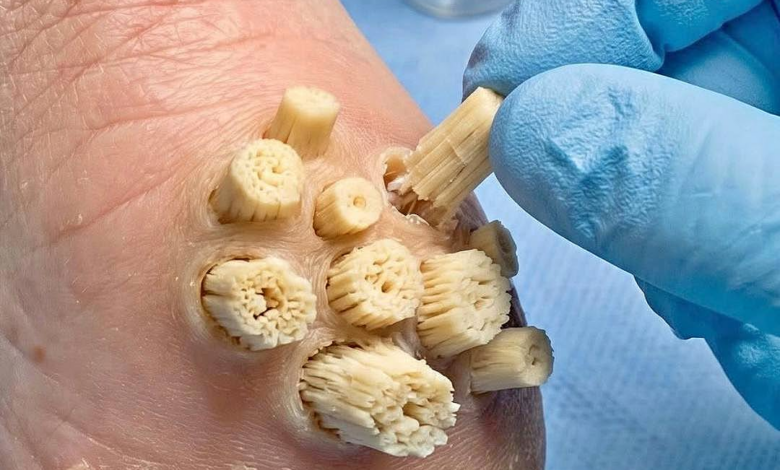
Diabetes doesn’t always begin with obvious symptoms. In many cases, your body may show small warning signs long before the condition is diagnosed. Unfortunately, these changes are often mistaken for everyday problems, leaving people unaware that something may be wrong.
Recognizing the possible signs early can make a significant difference. Here are nine changes that could indicate problems with blood sugar levels.
1. Dark Patches of Skin
Have you noticed darker, thicker, velvety-looking patches around your neck, armpits, or groin? This condition, known as acanthosis nigricans, can be associated with insulin resistance and may be an early sign of prediabetes or type 2 diabetes.
2. Unexplained Weight Loss
Losing weight without changing your diet or exercise routine may be a warning sign. When the body cannot use glucose properly, it may begin breaking down stored fat and muscle for energy.
3. Blurred Vision
Changes in blood sugar levels can affect the eye’s lens, causing temporary blurred vision. If your eyesight suddenly becomes blurry or frequently changes, it’s important to get it checked.
4. Unusual Skin Bumps
Small, yellowish or reddish bumps that appear suddenly, particularly around the elbows, knees, thighs, or buttocks, may sometimes be associated with high triglycerides and poorly controlled diabetes.
5. Constant Fatigue
Feeling exhausted even after a full night’s sleep could be another warning sign. When glucose cannot be used effectively for energy, persistent tiredness and difficulty concentrating may occur.
6. Increased Thirst and Frequent Urination
Are you constantly thirsty, even after drinking water? High blood sugar can cause the kidneys to remove excess glucose through urine, increasing urination and fluid loss. This can leave you feeling thirsty throughout the day.
7. Multiple Skin Tags
Skin tags are usually harmless, but having numerous skin tags, particularly around the neck and underarms, may be associated with insulin resistance. If you notice many appearing, consider discussing blood sugar testing with your doctor.
8. Cuts and Wounds That Heal Slowly
Small cuts, bruises, and wounds that take unusually long to heal may be linked to high blood sugar. Diabetes can affect circulation and the immune system, making healing more difficult and increasing the risk of infection.
9. Itching, Tingling, or Numbness
Persistent itchy skin can sometimes occur with diabetes, while tingling, burning, or numbness in the hands and feet may indicate nerve damage associated with prolonged high blood sugar.
When Should You Get Checked?
Having one or more of these symptoms does not automatically mean you have diabetes. However, unexplained or persistent changes deserve medical attention.
A healthcare professional can recommend blood tests, such as fasting blood glucose or HbA1c, to check your blood sugar levels.
Important: Diabetes can develop without noticeable symptoms. Regular checkups and early testing can help identify potential problems before complications develop.
Medical disclaimer: This article is for educational purposes only and is not a substitute for professional medical advice, diagnosis, or treatment. Always consult a qualified healthcare professional about your symptoms.