Gas Prices Are Rising Rapidly in 2026: What Middle East Tensions Mean for Americans
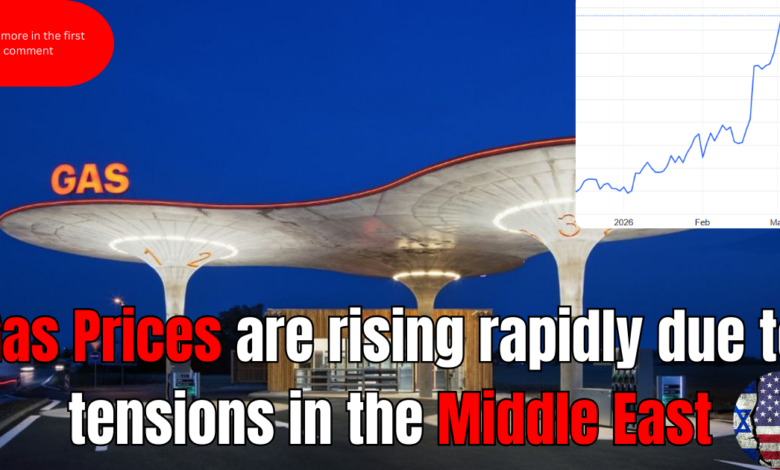
Gas prices across the United States are climbing again — and many drivers are feeling the pressure.
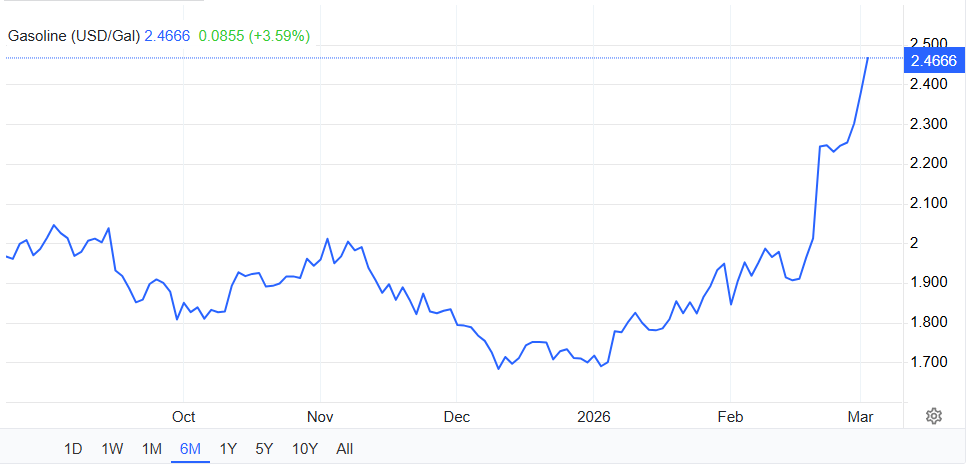
After months of relative stability, fuel costs have surged in response to rising geopolitical tensions in the Middle East.
For American households already navigating higher living costs in 2026, the timing couldn’t be worse.
Here’s what’s happening, why prices are moving so quickly, and what it could mean for your wallet.
What’s Driving the Sudden Spike?
Global oil markets react almost instantly to instability in key producing regions.
The Middle East remains one of the world’s most critical oil-producing areas, and even the possibility of disruption can send crude prices higher.
When traders anticipate supply interruptions, oil futures surge — and that pressure flows directly to the pump.
This week’s rise reflects uncertainty more than confirmed shortages.
How Oil Prices Translate to Gas Prices
Crude oil is the primary component of gasoline production.
When global oil prices increase, refineries pay more for raw supply.
Those higher costs eventually pass down to consumers in the form of increased gas prices.
Typically, retail prices lag behind oil markets by several days — meaning drivers may see further increases soon.
The Strait of Hormuz Factor
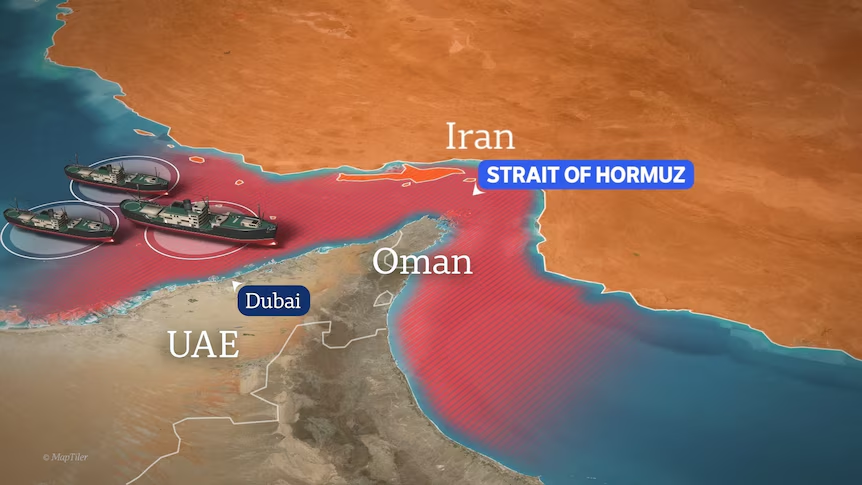
One of the biggest concerns involves the Strait of Hormuz.
This narrow waterway handles a significant portion of the world’s oil shipments.
If tensions escalate and shipping routes are threatened, global supply chains could face disruption.
Even minor shipping delays can push prices higher.
Inflation Pressure Returns
Gas prices don’t just affect drivers — they influence the broader economy.
Higher fuel costs increase transportation expenses for goods and services.
That can raise grocery prices, delivery costs, and even airline tickets.
Economists warn that sustained fuel spikes could reignite inflationary pressure.
Impact on American Families
For many households, gasoline is a fixed weekly expense.
An increase of even 30–50 cents per gallon can add hundreds of dollars annually.
For families commuting long distances, the impact is immediate and noticeable.
Budget adjustments may be necessary if prices remain elevated.
Small Business Strain
Small businesses that rely on transportation feel the pressure first.
Delivery services, contractors, trucking companies, and rideshare drivers operate on tight margins.
Rising fuel costs can reduce profitability or force price increases.
That ripple effect can move quickly through local economies.
Market Volatility and Investor Reaction
Energy stocks have responded positively to rising crude prices.
However, broader markets have shown volatility amid uncertainty.
Investors often shift money toward energy sector assets during geopolitical instability.
At the same time, growth sectors may experience pullbacks.
Could Prices Go Even Higher?
Analysts say the direction depends on three factors:
- Duration of regional tensions
- Production levels from OPEC nations
- U.S. strategic petroleum reserve decisions
If tensions cool quickly, prices may stabilize.
If escalation continues, additional increases are possible.
The Role of OPEC
OPEC’s production decisions significantly influence global oil supply.
If member nations increase output to offset market fears, prices could moderate.
However, if production remains steady or decreases, supply constraints may persist.
Investors are closely watching OPEC statements.
U.S. Strategic Reserves
The United States maintains a Strategic Petroleum Reserve (SPR).
In past energy crises, administrations have released reserves to stabilize prices.
Whether that tool will be used again remains uncertain.
Such moves can temporarily ease price pressure.
Regional Variations in Gas Prices
Gas price increases are not uniform nationwide.
States on the West Coast often see sharper spikes due to refining capacity limits.
Midwestern states sometimes experience delayed effects.
Urban areas may feel changes faster than rural regions.
Airline and Travel Costs
Jet fuel is also affected by crude oil prices.
Airlines may respond with higher ticket prices or fuel surcharges.
Travel budgets for summer and fall could be impacted.
Consumers planning trips should monitor fare trends closely.
Supply Chain Concerns
Higher diesel costs increase freight transportation expenses.
That affects the movement of food, consumer goods, and construction materials.
If sustained, this can lead to broader price increases beyond gasoline.
Supply chain resilience will be tested.
Consumer Behavior Shifts
Historically, high gas prices lead to behavioral changes.
Consumers may:
- Reduce discretionary travel
- Carpool more
- Shift toward fuel-efficient vehicles
Electric vehicle interest often rises during prolonged fuel spikes.
Housing and Commuting Decisions
Commuting costs influence housing choices.
If gas remains elevated, some workers may prioritize remote options.
Others may reconsider long-distance living arrangements.
Fuel prices often shape long-term lifestyle decisions.
Political Debate Intensifies
Energy policy often becomes central during price surges.
Debates typically focus on:
- Domestic drilling
- Renewable energy expansion
- International diplomacy
- Pipeline infrastructure
Public opinion tends to shift quickly when prices climb.
Renewable Energy Angle
Some analysts argue that fossil fuel volatility strengthens the case for renewable investments.
Solar, wind, and alternative fuels reduce dependency on global oil markets.
However, energy transitions take time and infrastructure investment.
Short-term relief remains tied to oil supply dynamics.
Long-Term Economic Impact
Short-term spikes can become long-term problems if instability persists.
Prolonged energy inflation affects:
- Business investment
- Consumer confidence
- GDP growth
Central banks also monitor fuel-driven inflation closely.
What Experts Recommend Right Now
Financial advisors suggest practical steps:
- Review household budgets
- Consider fuel-efficient options
- Avoid panic financial decisions
- Monitor reliable energy market updates
Preparation is better than reaction.
Frequently Asked Questions
Q: Why are gas prices rising so quickly?
Oil markets respond immediately to geopolitical instability, even before actual supply is disrupted.
Q: Will prices return to normal soon?
It depends on how long tensions last and whether supply routes remain secure.
Q: Should Americans expect shortages?
There is currently no confirmed nationwide shortage, but regional volatility is possible.
Final Thoughts
Gas prices are rising rapidly in response to global uncertainty.
For American households, the impact is immediate and tangible.
While the situation remains fluid, understanding the forces behind these price movements helps consumers make informed decisions.
Energy markets are deeply connected to global politics — and 2026 is proving just how intertwined those forces remain.
Staying informed and prepared is the best defense against economic surprises.