Donald Trump Issues Strong Military Warning as Global Tensions Rise
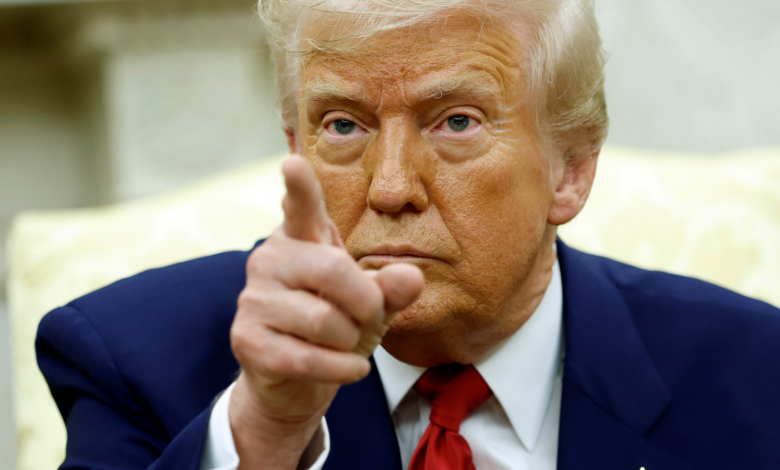
In recent days, geopolitical tensions have captured the attention of people around the world. Military developments, diplomatic statements, and security alerts have all contributed to an atmosphere of uncertainty across international politics. Among the voices speaking out on the issue was former U.S. President Donald Trump, who delivered a firm warning regarding potential attacks on the United States and its allies.
Trump’s message, shared publicly and widely discussed across news outlets and social media, focused on deterrence and national security. His statement emphasized that the United States must remain prepared to defend itself if threats escalate. For supporters and critics alike, the comment has become part of a larger conversation about global stability and military preparedness in 2026.
The former president framed his warning in clear terms. According to Trump, any hostile action against the United States would bring a powerful response. The statement reflects a long-standing doctrine often described as “peace through strength,” which has guided many American security strategies over the decades.
Military analysts note that warnings like these are not unusual during periods of rising international tension. Leaders frequently issue statements designed to discourage aggression by making it clear that retaliation would be swift and decisive. Such messages are intended not only for potential adversaries but also for allies and domestic audiences.
At the heart of Trump’s message is the concept of deterrence. In international relations, deterrence refers to the idea that strong defensive capabilities can prevent conflict by discouraging others from initiating attacks. By publicly declaring that the United States would respond forcefully to any aggression, leaders hope to reduce the likelihood of conflict.
Trump’s remarks come at a time when the Middle East and surrounding regions have experienced renewed military pressure and diplomatic strain. Reports of strikes, troop movements, and security alerts have made headlines across the world. While governments continue to evaluate the situation, statements from political figures add to the public understanding of how leaders interpret the risks.
The United States has historically maintained one of the most powerful military forces in the world. From advanced aircraft to naval fleets and strategic defense systems, the country’s defense infrastructure is designed to protect national interests and allies. Trump’s statement referenced this capability, suggesting that any attack would trigger a response stronger than anything previously seen.
Supporters of strong military rhetoric argue that it sends a clear message to potential adversaries. They believe that when a country demonstrates readiness and strength, opponents are less likely to attempt aggressive actions. In this view, a direct warning can serve as a stabilizing force by reinforcing boundaries that should not be crossed.
Critics, however, often warn that strong language can also increase tensions if misinterpreted. In diplomatic circles, communication must balance firmness with caution. Statements meant to deter aggression must avoid escalating misunderstandings that could lead to unintended conflict.
Despite these debates, many observers agree that the purpose of such warnings is primarily strategic. By outlining the consequences of an attack, leaders hope to prevent violence rather than provoke it. The logic is simple: when the cost of aggression appears too high, potential adversaries may reconsider their actions.
Trump’s comments also highlight the continuing role of political leadership in shaping national defense narratives. Even outside official office, former presidents and political figures often influence public debate on security issues. Their statements can shape media coverage and affect how citizens perceive global events.
Across social media platforms, reactions to the warning were immediate and widespread. Supporters praised the message as a sign of strong leadership and national resolve. Others called for diplomatic solutions, arguing that long-term stability requires dialogue as well as deterrence.
Political divisions surrounding foreign policy are nothing new in the United States. Throughout history, Americans have debated the balance between military strength and diplomatic engagement. Trump’s remarks have once again brought that debate to the forefront of public conversation.
International observers also took note of the statement. Global leaders often monitor comments from prominent U.S. figures to gauge shifts in political mood and public sentiment. Even informal remarks can influence diplomatic discussions and policy analysis.
Security experts emphasize that statements about military retaliation are part of a broader system of strategic communication. Governments regularly use speeches, press conferences, and social media to convey signals to other nations. These signals are carefully interpreted by diplomats and intelligence agencies around the world.
At the same time, everyday citizens watching these developments may feel concerned about the possibility of escalating conflict. News of military tensions can create anxiety about global stability, energy prices, and economic security. Leaders must therefore balance strong rhetoric with reassurance that efforts toward peace remain ongoing.
In the United States, defense policy has long been guided by alliances and international agreements. Partnerships with countries in Europe, Asia, and the Middle East create networks of security cooperation. Any major warning or policy statement often reflects not only national concerns but also the interests of allied nations.
Trump’s warning also connects to a broader narrative about national strength and sovereignty. Many political leaders emphasize that protecting citizens and national infrastructure is the fundamental responsibility of government. Statements like this reinforce the idea that threats will be taken seriously.
Military preparedness, however, does not necessarily mean war is imminent. Analysts frequently remind the public that deterrence strategies are designed precisely to prevent conflict. By showing readiness, countries aim to maintain peace through stability and predictability.
The conversation around Trump’s remarks also reflects how modern media amplifies political messaging. In earlier decades, such statements might have appeared primarily in official speeches or news briefings. Today, they spread instantly across digital platforms, reaching millions of viewers within minutes.
This rapid dissemination means that political communication must be carefully crafted. Words intended for a domestic audience can quickly become global headlines. Leaders therefore face the challenge of speaking clearly while considering how their statements will be interpreted internationally.
For many Americans, the key takeaway from Trump’s message is reassurance that national defense remains a priority. The statement reinforces a long-standing principle: if the United States faces direct aggression, it will respond decisively to protect its people and its territory.
Still, diplomatic efforts continue behind the scenes in many international situations. Governments around the world maintain channels of communication designed to resolve disputes peacefully. Even during tense periods, negotiations and discussions often continue quietly.
Economic implications also play a role in how these events are perceived. Global tensions can affect markets, energy prices, and supply chains. Analysts closely watch geopolitical developments to understand how they might influence economic trends in the months ahead.
Ultimately, Trump’s warning serves as one voice within a broader global dialogue about security and stability. Political leaders, military officials, and diplomats all contribute to shaping the international environment. Their statements and actions together determine how tensions evolve.
While opinions differ about the tone and timing of such remarks, the central message remains clear. The United States intends to defend itself and its allies if confronted with aggression. That principle has guided American policy for generations and continues to influence discussions today.
As the world continues to follow developments in international relations, messages like Trump’s highlight the importance of vigilance and preparedness. At the same time, many leaders emphasize that diplomacy and cooperation remain essential to maintaining long-term peace.
For readers and observers, the best approach is to stay informed through reliable information and thoughtful analysis. Understanding the context behind political statements helps clarify their purpose and impact.
Thank you for reading this report and taking the time to stay informed about global developments. If you found this article helpful, please follow our page, share it with others, and continue exploring our updates for more important stories from around the world.