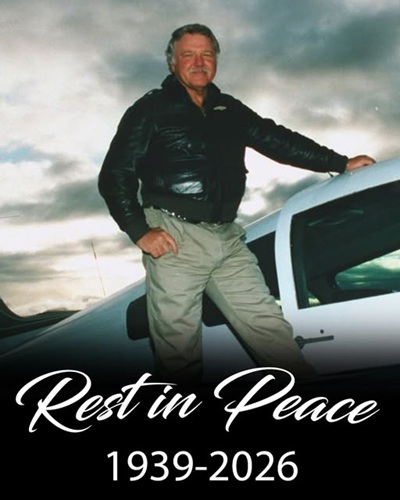
Army Veteran ‘Bo’ Gritz, Linked to ‘Rambo’ Inspiration, Dies at 87
James Gordon “Bo” Gritz — the highly decorated U.S. Army Special Forces officer whose daring wartime exploits, political ambitions.
And controversial activism made him a fixture of American military and cultural history — died peacefully on February 27, 2026, at the age of 87.
His wife, Judy Gritz, confirmed his death in a public statement, saying he passed “peacefully, looking into the eyes of our Savior” at their home in Sandy Valley, Nevada. For decades, Gritz was a larger‑than‑life figure — admired by some for his service and tenacity, and criticized by others for his involvement in militia movements and fringe political causes.
Throughout it all, he maintained a complex and deeply personal sense of duty rooted in his military oath and a lifelong belief in defending constitutional liberties.
In life and in death, his legacy remains as multifaceted and debated as the man himself.
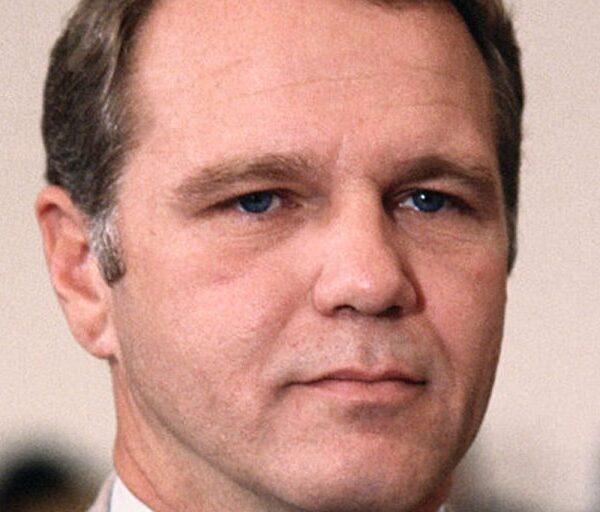
Early Life and Military Enlistment
James Gordon Gritz was born on January 18, 1939, in Enid, Oklahoma. While details about his childhood are less prominently documented in public records, he grew up deeply influenced by military culture — his father served in the United States Army Air Forces during World War II.
Gritz later chose a military path of his own, enlisting in the U.S. Army in 1957 and quickly distinguishing himself as a soldier and leader.
He entered Officer Candidate School and demonstrated exceptional skill, earning his commission and ultimately completing the demanding qualification courses required to become a member of the Army Special Forces — the elite “Green Berets.”
Vietnam War Service and Special Forces Command
Gritz’s military service is most closely associated with his tours in the Vietnam War, where he commanded Detachment B‑36 of the 5th Special Forces Group (Airborne) — a unit that combined American soldiers with Cambodian‑Vietnamese troops known as MIKE Force.
These units conducted unconventional warfare and counterinsurgency operations in the volatile III Corps Tactical Zone, near the Cambodian border.
His tenure in Vietnam was marked by both tactical ingenuity and extreme personal risk. Among his noteworthy missions was the retrieval of the “black box” from a downed Lockheed U‑2 reconnaissance aircraft deep inside enemy territory in Cambodia in December 1966.

This operation, conducted under hostile conditions, became one of the more dramatic episodes of his wartime service.
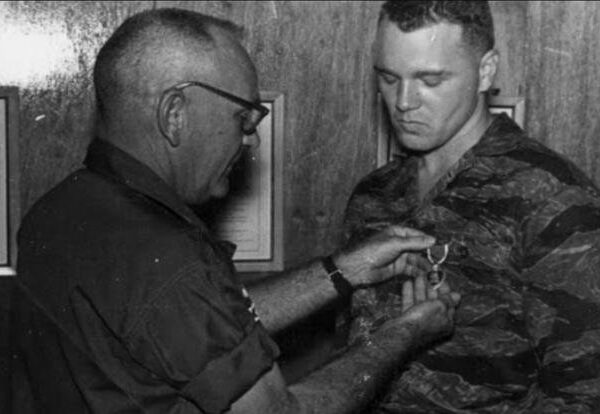
Gritz earned a reputation for courage and initiative, and over the course of his military career he received multiple commendations, including three Silver Stars, the Legion of Merit, the Distinguished Flying Cross, multiple Bronze Stars, two Purple Hearts, and numerous Air Medals for flight operations — marks of recognition shared by only a small fraction of U.S. servicemembers.
He retired in 1979 at the rank of lieutenant colonel after more than two decades of active service.
Post‑Military Life: POW/MIA Advocacy and Controversial Missions
Shortly after leaving active duty, Gritz became one of the most visible figures in the Vietnam War POW/MIA (Prisoner of War/Missing in Action) movement — a network of veterans and activists who believed that American servicemen were still unaccounted for and possibly held captive in Southeast Asia.
In the early 1980s, Gritz led a series of private expeditions into Laos and other regions of Southeast Asia in search of information about missing U.S. servicemen.
These missions were frequently publicized and highly controversial. Though at times quietly supported by individuals in U.S. defense circles, they failed to produce definitive evidence of live POWs.
His efforts drew both admiration from those who saw him as a dogged advocate for missing American troops, and criticism from observers who argued that his methods were disorganized or not grounded in verifiable intelligence.
Gritz himself maintained that he was driven by a deep sense of loyalty to his fellow soldiers and a determination to resolve one of the lingering human questions of the Vietnam era.
Political Activism and Presidential Campaign
Beyond his military and activist pursuits, Gritz also ventured into American politics. He became a member of the Populist Party, an organization known for its nationalist and anti‑establishment views, and launched an unsuccessful campaign for the U.S. presidency in 1992 on that ticket.
His platform blended themes of constitutionalism, individual liberty, and skepticism of centralized authority.
Although he garnered only a small share of votes, his candidacy highlighted a strain of American political thought that mistrusts federal institutions and champions decentralized governance.
Ruby Ridge and Militia Connections
One of the most widely reported episodes of Gritz’s post‑military life was his involvement in the 1992 Ruby Ridge standoff in northern Idaho, a confrontation between federal agents and survivalist Randy Weaver and his family.
After a deadly siege — during which Weaver’s wife and son were killed — federal negotiators invited Gritz to help persuade Weaver to surrender. Gritz traveled to the remote site and, against the advice of some FBI officials, entered Weaver’s cabin.
He helped assess Weaver’s minor injuries and arranged for legal counsel, actions that ultimately contributed to Weaver’s peaceful surrender. Gritz later described the scene as “just a terrible scene,” noting that Weaver had not fired on authorities yet had suffered devastating personal losses.
This episode thrust Gritz into the national spotlight as a controversial figure who could bridge divides between anti‑government elements and federal authorities — a role embraced by some and criticized by others.
He later attempted a similar mediating role during the Montana Freemen standoff in 1996, though that effort was less successful.
Cultural Impact: The Rambo Connection
Perhaps more than any other aspect of his public persona, Gritz was widely cited as a real‑life inspiration for the fictional character John Rambo, portrayed by Sylvester Stallone in the iconic First Blood films.
While the novel that inspired the movie has its own origins and multiple influences, Gritz himself embraced the connection and spoke about it publicly — including in the 2017 documentary Erase and Forget, which examined his life and the interplay of war, myth, and media.
This association cemented his place in American popular culture, shaping perceptions of him as an archetype of the tough, resourceful Vietnam veteran.
Later Years and Personal Life
In his later years, Gritz continued to be a polarizing figure. He remained outspoken on issues of government power, constitutional rights, and individual liberty, and he hosted radio programs — including Freedom Call — that reflected his worldview.
He lived in Sandy Valley, Nevada, near the California border, for more than four decades, where he and his wife raised their family.
Judy Gritz repeatedly shared that he wished to spend his final days at home, rather than in a medical facility. Reflecting that wish, she wrote publicly that Gritz had long said he wanted to “die in Sandy Valley … and be buried here.”
In the months leading up to his death, Gritz reportedly battled health issues, including a cancer diagnosis that his wife shared on social media. However, no official cause of death has been confirmed.
He was the father of four children and is remembered by friends and family for his devotion to service, his formidable presence, and his complex legacy.
Legacy: Hero, Controversial Patriot, or Both?
James “Bo” Gritz remained a figure of significant debate throughout his life and after his death. To many Vietnam veterans and supporters of his activism, he was a brave and committed soldier who fought for his country and for missing Americans long after the war ended.
To others, his association with militia movements and conspiracy‑oriented causes complicated or overshadowed his military legacy.
His life story encapsulates many of the tensions in late 20th‑ and early 21st‑century American history: the struggle to reconcile the realities of war with national identity, the rise of anti‑government movements, and the ways in which popular culture mythologizes military service.
Whether remembered as a hero, a controversial activist, or something in between, Bo Gritz’s impact on American military lore and political culture is undeniable.