Why Nose Acne Is So Common — What Those Tiny Bumps on Your Nose Really Mean May Surprise You
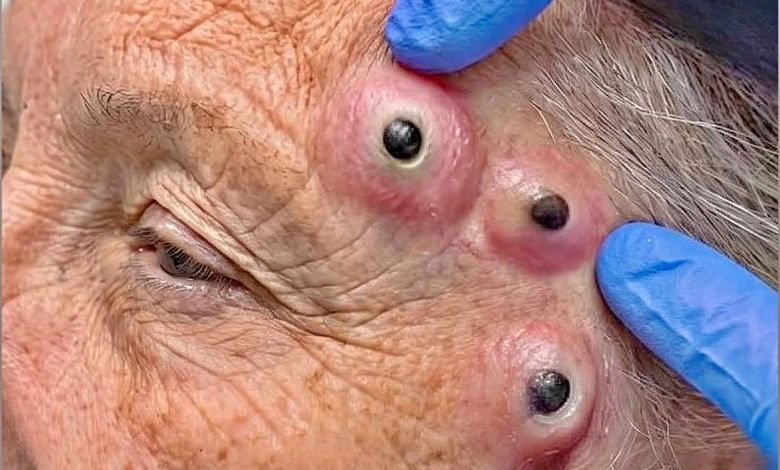
Acne on the nose is one of the most common skin concerns, but those tiny bumps and dark spots aren’t always what they appear to be.
The nose is part of the T-zone, an area of the face where oil-producing glands are particularly active. This means the skin naturally produces more oil, making the nose more prone to clogged pores, blackheads, and breakouts.
When excess oil mixes with dead skin cells, pores can become blocked, resulting in small bumps and pimples.
Not Every Bump Is Actually Acne
Here’s something many people don’t realize: those tiny dots on your nose might not be blackheads at all.
Some are sebaceous filaments, natural structures that help move oil to the skin’s surface. They often look like tiny grayish or yellowish dots and are completely normal.
Blackheads are different. They develop when pores become clogged with oil and dead skin cells, and the exposed material darkens when it comes into contact with air.
Although they can look similar, knowing the difference can help you choose the right skincare routine.
Everyday Habits That Can Make It Worse
Certain daily habits can contribute to nose breakouts, including:
- Frequently touching your face.
- Using heavy skincare or makeup products.
- Washing your face too aggressively.
- Scrubbing or picking at small bumps.
- Using products that irritate your skin.
Surprisingly, poor hygiene is rarely the main cause of acne. Washing too often can actually damage your skin barrier and make irritation worse.
How to Keep Nose Acne Under Control
A simple, consistent skincare routine can make a difference.
Dermatologists generally recommend:
- Gently washing your face twice daily.
- Choosing non-comedogenic skincare products.
- Avoiding harsh scrubs and excessive cleansing.
- Not squeezing or picking pimples.
- Using appropriate acne treatments when needed.
Salicylic acid can help unclog pores, while benzoyl peroxide may help reduce inflammatory acne.
When Should You Be Concerned?
Most nose breakouts are harmless and can improve with consistent skincare.
However, painful, persistent, or frequently recurring acne may require advice from a dermatologist.
Picking or squeezing pimples can also increase the risk of irritation, infection, and scarring.
The most important thing to remember is that nose acne is extremely common and doesn’t automatically mean you’re doing something wrong.
Understanding what’s actually happening beneath the surface can help you take better care of your skin and avoid unnecessary irritation.