If You See a Traffic Light With Blue Instead of Green, This is What It Means
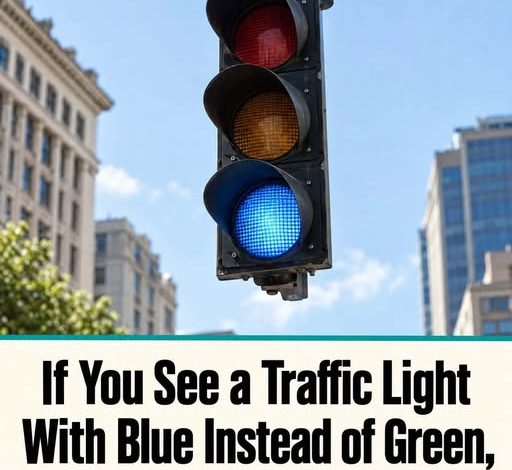
Japan’s traffic lights can make you question a rule you’ve trusted since childhood. When the signal to go looks blue instead of green, the explanation reaches far beyond a strange bulb or faulty wiring.
Behind that unsettling color lies an ancient linguistic divide and a government compromise that changed what drivers see at intersections across the country for gene…
The mystery begins with ao, a Japanese word that historically covered both blue and green. Although midori eventually emerged as a distinct term for green, older expressions survived. Green apples and bamboo can still carry names using ao, and traffic signals inherited that same linguistic tradition.
Japan’s early “go” lights were green, yet people and official documents called them blue. The mismatch wasn’t a mechanical failure; it was language carrying its history into modern life.
According to Atlas Obscura, a 1973 government decision sought to reconcile the wording with the hardware by choosing the bluest permissible shade of green. That compromise explains why some Japanese signals look turquoise or distinctly bluish while remaining technically green.
Their message has not changed: they indicate permission to proceed when safe. For visitors, the surprise offers a reminder that even something as familiar as a traffic light can reflect centuries of cultural memory.