10 Warning Signs Your Eyes May Reveal About Your Health
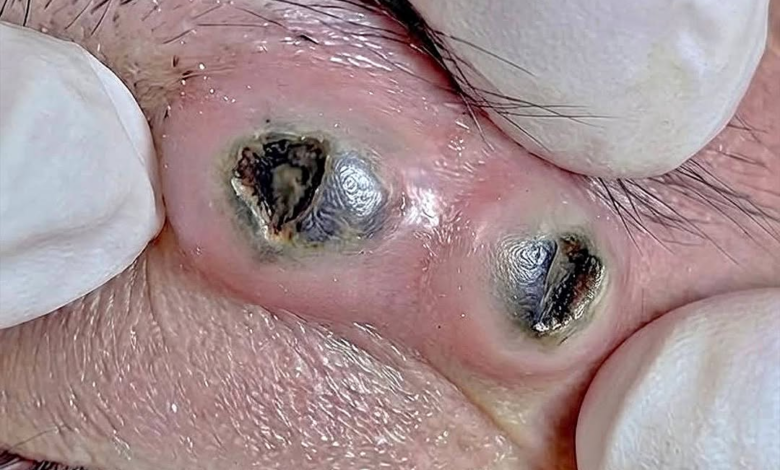
Your eyes can reveal more than just how well you see. Certain changes may point to underlying health conditions, making regular eye exams important.
Here are 10 eye-related warning signs you shouldn’t ignore.
1. Blurry Vision
Sudden blurry vision or vision loss may indicate problems with blood flow, migraines, or diabetic eye disease. Seek medical attention, especially if the change happens suddenly.
2. Yellow Bumps on the Eyelids
Small yellow bumps around the eyelids may be cholesterol deposits. They can sometimes indicate elevated cholesterol levels and should be checked by a healthcare professional.
3. Drooping Eyelids
Drooping eyelids, known as ptosis, can result from aging, muscle weakness, nerve damage, or injury. Sudden drooping, especially with other symptoms, requires urgent medical evaluation.
4. Inflamed Eyelids
Red, swollen, or irritated eyelids may be caused by infections, allergies, dry eyes, dandruff, or clogged oil glands. Persistent symptoms should be examined by an eye specialist.
5. Spots in Your Vision
Floaters may appear as tiny dots, strings, or cobwebs. Although often harmless, a sudden increase in floaters, flashing lights, or a dark curtain across your vision could indicate retinal detachment and requires immediate attention.
6. Red, Itchy Eyes
Itchy, red eyes can be linked to allergies, dust, pollen, dry eyes, or skin conditions. If irritation persists or comes with pain or vision changes, seek medical advice.
7. Yellow Whites of the Eyes
Yellowing of the eyes, known as jaundice, can indicate elevated bilirubin levels and possible liver or bile duct problems. New yellowing should be medically evaluated promptly.
8. Bulging Eyes
Bulging eyes may be associated with thyroid disorders, particularly Graves’ disease. Other symptoms can include weight loss, fatigue, tremors, and heart palpitations.
9. A Ring Around the Cornea
A gray or white ring around the cornea may be caused by fatty deposits. In older adults, it is often age-related, but in younger people, it can sometimes be associated with high cholesterol.
10. Night Blindness
Difficulty seeing in dim lighting may be linked to retinal conditions, severe nearsightedness, or vitamin A deficiency. An eye examination can help identify the cause.
Listen to What Your Eyes Are Telling You
Not every eye change indicates a serious condition, but unusual or persistent symptoms deserve attention. Regular eye examinations can help detect potential problems early.
Important: This article is for informational purposes only and is not a substitute for professional medical advice, diagnosis, or treatment. Consult a qualified healthcare professional about any concerning symptoms.