With Heavy Hearts, We Announce the Heartbreaking News — We Won’t Be Seeing This Iconic Star Anymore 💔
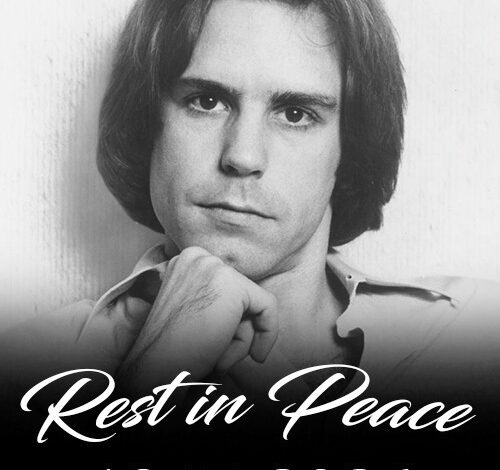
Every so often, a headline stops us mid-scroll.
“With heavy hearts…”
“Gone too soon…”
“We won’t be seeing this iconic star anymore…”
The words feel final. Emotional. Immediate.
In today’s digital world, phrases like these spread across social media feeds within minutes, gathering reactions, tears, and shares before many people even know the full story. The broken heart emoji, the call to “read the comments,” the promise of more details below — it all pulls at something deeply human inside us.
Because when we hear that an iconic star is gone, it feels personal.
But what exactly are we reacting to? And why do these announcements hit so hard?
Let’s unpack the emotional weight behind these viral messages — and what they reveal about our connection to public figures.
Why “Iconic Stars” Feel Like Family
When someone in our personal life passes away, the grief is intimate and direct.
But when a beloved public figure dies — whether it’s a legendary actor, a groundbreaking musician, or a cherished television personality — the grief is different. It’s collective.
Think about the global reaction when Robin Williams passed away. Or the outpouring of tributes following the death of Prince. The world didn’t just acknowledge their passing — it mourned.
Why?
Because iconic stars are woven into our lives through moments.
We watched their movies during childhood.
We played their songs during breakups.
We quoted their lines with friends.
We laughed at their interviews.
We followed their careers across decades.
They become part of our emotional landscape.
So when we read, “We won’t be seeing this iconic star anymore,” it doesn’t feel distant. It feels like losing a chapter of our own story.
The Power of a Viral Announcement
The phrase “With heavy hearts” carries immediate emotional gravity. It signals seriousness, sadness, and finality.
Add a broken heart emoji, and the message becomes even more intimate. Emojis may seem small, but they amplify tone in a digital world where nuance can get lost.
Then comes the hook:
“Read the comments for the full story.”
That line transforms grief into engagement.
It creates suspense.
It invites curiosity.
It taps into our fear of missing something important.
In many cases, these posts are genuine tributes. But in others, they are designed for clicks, shares, and emotional reactions.
This doesn’t make the grief less real — but it does complicate how we process it.
The Age of Instant Mourning
Before social media, news of a celebrity’s passing traveled through newspapers, television broadcasts, or radio announcements.
Today, it spreads instantly — often before official confirmation.
Within minutes:
- Tributes flood timelines
- Old interviews resurface
- Memorable quotes are reposted
- Highlight reels circulate
- Hashtags trend worldwide
The speed of digital mourning can feel overwhelming.
When Chadwick Boseman passed away in 2020, millions learned the news simultaneously online. The shock was collective. The disbelief was shared.
In moments like these, social media becomes a global vigil.
Why We Feel the Loss So Deeply
Psychologists call this “parasocial attachment.”
A parasocial relationship is a one-sided emotional connection we form with someone we don’t personally know — often a public figure.
It might sound strange, but it’s deeply human.
When we watch an actor in multiple films or listen to a musician’s voice for years, our brains register familiarity. Familiarity builds attachment.
Even though the star doesn’t know us, we feel like we know them.
We recognize their smile.
We anticipate their humor.
We understand their public persona.
So when they’re suddenly gone, our brains experience real grief — even if we never met them.
The Symbolism of “Iconic”
The word “iconic” isn’t used lightly.
An icon represents more than talent. It represents an era, a movement, a cultural shift.
For example:
- Betty White symbolized longevity and warmth in entertainment.
- Michael Jackson defined global pop culture for generations.
- Heath Ledger left an unforgettable cinematic legacy.
When iconic stars pass, it can feel like the end of a cultural era.
We aren’t just mourning a person.
We’re mourning a time.
The Emotional Manipulation of Curiosity
The phrase “Read the comments for the full story 👇” deserves its own examination.
It introduces a gap — and humans dislike gaps in information.
Psychologically, this is known as the “curiosity gap.” When we’re given partial information, our brains crave closure.
Was it sudden?
Was it illness?
Was it retirement?
Was it scandal?
Was it a hoax?
The uncertainty fuels clicks.
In some cases, these posts lead to legitimate news articles. In others, they lead to misleading pages, exaggerated stories, or recycled content.
That’s why it’s important to pause before reacting.
When “We Won’t Be Seeing Them Anymore” Doesn’t Mean Death
Interestingly, not every emotional announcement refers to a passing.
Sometimes, it signals:
- Retirement
- Career changes
- Long-term illness
- Departure from a major show
- Withdrawal from public life
When Daniel Day-Lewis announced his retirement from acting, fans reacted with shock and sadness — even though he was alive and well.
In these cases, the grief isn’t about death.
It’s about absence.
We grieve the end of new performances.
We grieve the end of public appearances.
We grieve the closing of creative chapters.
The emotional reaction can still feel profound.
Collective Grief in the Digital Era
One powerful aspect of these announcements is community.
When heartbreaking news spreads, comment sections transform into spaces of shared memory:
“I grew up watching him.”
“She was my childhood.”
“His music got me through my hardest years.”
“She inspired me to follow my dreams.”
These aren’t shallow reactions.
They’re evidence of impact.
Public figures influence millions — not through direct contact, but through storytelling, art, humor, and vulnerability.
Their reach can be more intimate than we realize.
The Responsibility of Sharing
Because emotional announcements spread so quickly, responsibility matters.
Before sharing a post about a beloved star’s passing:
- Verify the source.
- Check reputable news outlets.
- Avoid spreading unconfirmed rumors.
- Respect family privacy.
False death reports — sometimes called “death hoaxes” — can cause unnecessary distress.
Several celebrities, including Morgan Freeman, have faced viral rumors of their own deaths, only to later clarify they were alive.
In an age of instant sharing, discernment is kindness.
Why These Moments Make Us Reflect on Our Own Lives
When an iconic star dies or steps away, it often prompts introspection.
We think about:
- Our own mortality
- The passage of time
- The memories tied to their work
- How quickly eras change
If a celebrity from our childhood passes away, it can feel like a marker of aging.
It reminds us that time moves forward — relentlessly.
But it also reminds us of what endures: art, impact, influence.
The Legacy That Remains
Even when we “won’t be seeing them anymore,” their presence doesn’t disappear.
Movies can be rewatched.
Songs can be replayed.
Interviews can be revisited.
Performances can inspire new generations.
Legacy outlives headlines.
The digital age ensures that iconic stars remain accessible long after their final curtain call.
And perhaps that’s the quiet comfort behind the heartbreak.
A Final Reflection
“With heavy hearts…”
Those words resonate because they tap into something deeply human — our capacity to care about people who shaped our emotional experiences, even from afar.
When we see a post announcing that an iconic star is gone, we aren’t just reacting to news.
We’re reacting to:
- Nostalgia
- Attachment
- Shared cultural memory
- The fragility of life
- The inevitability of change
But in the midst of viral emotion, it’s worth remembering:
Pause.
Verify.
Reflect.
Grief is real — even when it’s collective.
And while we may not see certain stars in new roles or on new stages again, their impact doesn’t vanish.
It lives in the scenes we replay.
The lyrics we hum.
The quotes we remember.
The laughter they gave us.
The inspiration they sparked.
Icons may leave the spotlight.
But they rarely leave our lives entirely. 💔