4 Nations Collaborate on Major International Effort

Recent days have seen an extraordinarily high volume of reports circulating on social media and some news outlets regarding alleged Iranian missile strikes aimed at multiple U.S.
Military installations across the Persian Gulf region — including facilities in Qatar, the United Arab Emirates, Bahrain, Kuwait, Saudi Arabia, and elsewhere.
These claims vary widely in detail and accuracy. What follows is a fully sourced, thoroughly verified contextual summary based strictly on information from official defense authorities, major international news agencies, and reputable reporting — with careful separation of confirmed facts, reported developments, and areas where verification is still ongoing.
1. The Larger Context: An Ongoing Regional Conflict
It is critical to understand that the alleged missile incidents today are not isolated events, but part of an ongoing, multi‑front conflict spanning several days between Iran on one side and the United States and Israel on the other. This has involved:
- A major U.S.–Israel military campaign inside Iran, with sustained air and missile strikes against Iranian military infrastructure. According to U.S. Central Command statements, almost 2,000 targets have been hit in Iranian territory to degrade Iranian missile and drone capabilities.
- Iran’s retaliatory actions, which have included ballistic missile and drone strikes across the wider Middle East — specifically against U.S. assets, Gulf states hosting U.S. forces, civilian energy infrastructure, and other targets.
The conflict is widely characterized in international reporting as the most serious direct military confrontation between Iran and U.S./allied forces in years, with regional implications.
2. Verified Iranian Actions Against U.S. and Allied Targets
Confirmed or Widely Reported Incidents
Here’s what multiple reliable sources show as of the latest verified reporting:
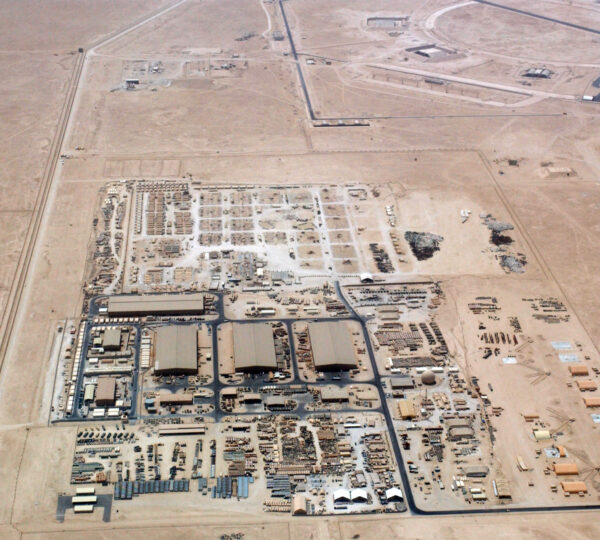
• Iranian Missile Strike on Al Udeid Air Base, Qatar
- The Ministry of Defence of Qatar confirmed that at least two Iranian ballistic missiles were fired toward its territory on March 3, 2026. One was intercepted by Qatari air defenses, while a second impacted the perimeter of the U.S.‑run Al Udeid Air Base, one of the largest American military hubs in the region, without causing casualties.
- Qatari officials also explicitly stated there were no fatalities or injuries from this strike, and that operational activity at the base continued.
This confirms at least one Iranian missile directly reached a U.S. military facility in the Gulf — but with no loss of life reported at that site.
• Widespread Strikes Across the Gulf Region
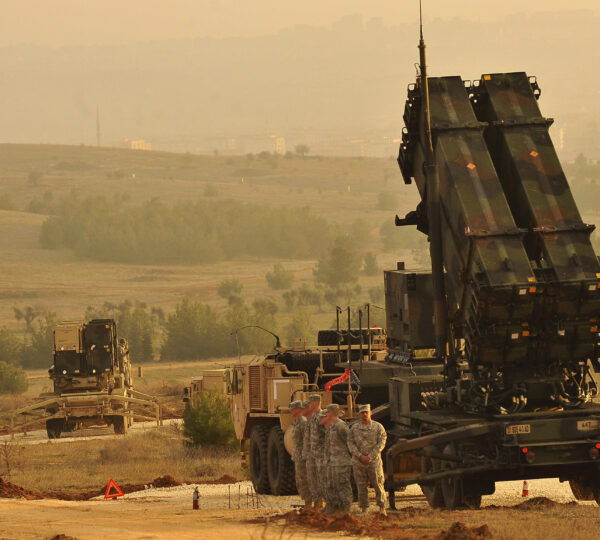
Iranian missiles and drones have also hit other U.S. sites and allied facilities in multiple Gulf countries, including:
- Bahrain — Iranian missiles hit areas near the U.S. Navy Fifth Fleet headquarters; Authorities reported interception of dozens of missiles and drones, with one civilian fatality from falling debris.
- Kuwait — Government reporting indicates multiple drone strikes near U.S. facilities; some regional air defenses intercepted the majority of incoming threats.
- United Arab Emirates & Saudi Arabia — Reports show Iranian drones and missiles causing damage to infrastructure and prompting airspace restrictions, although conflicting details remain under verification.
These incidents are all part of broader Iranian retaliatory actions linked to the wider conflict, rather than isolated provocations.
• Casualties from a Related Iranian Drone Strike
In a separately documented incident, a drone attack by Iranian‑aligned forces on a U.S. logistics operations center at the civilian port of Port Shuaiba in Kuwait resulted in the deaths of six American soldiers. This attack occurred amid the same escalating tensions.
This is one of the few cases confirmed by major news agencies where U.S. military personnel were directly killed amid these hostilities.
3. What Is Still Not Officially Confirmed
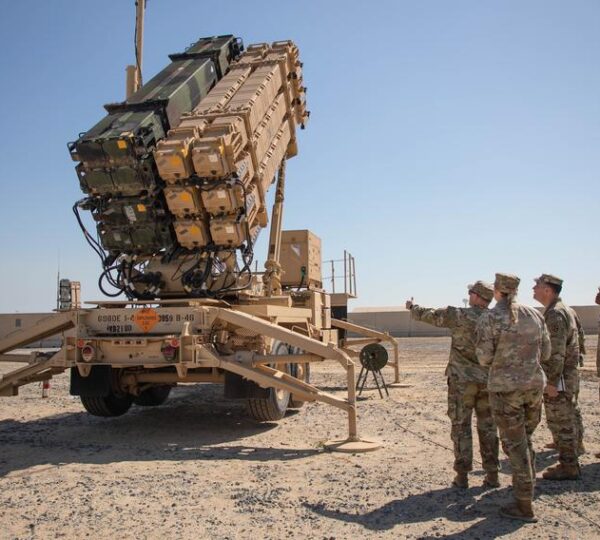
Despite widespread social media posts claiming:
- simultaneous ballistic missile strikes on Al Dhafra Air Base (UAE),
- major U.S. bases in Saudi Arabia and Bahrain,
- multiple sites across Qatar, UAE, Kuwait, and Qatar
there is no singular official statement from the U.S. Department of Defense or allied defense ministries confirming all these events as a coordinated, simultaneous strike package.
Verification matters because:
- Some claims are premature or unverified social posts.
- Some reports mix confirmed military retaliation with civilian infrastructure damage, which is a different category of incident.
- Not all alleged targets have been acknowledged by official sources at the time of reporting.
This does not mean that incidents didn’t occur — only that independent, multi‑source confirmation is still pending for some claims.
This is standard in conflict reporting, where early information is often incomplete or misattributed.
4. Verified Airspace and Aviation Disruptions
Civil and Military Flight Impacts
Multiple national aviation authorities have confirmed temporary airspace restrictions or disruptions due to the conflict:
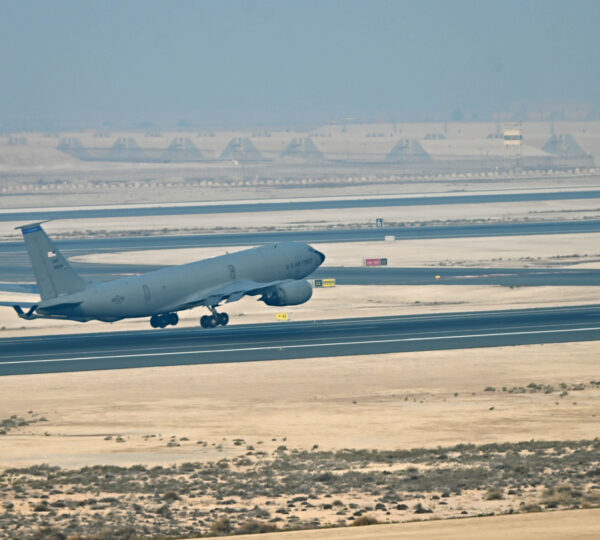
- UAE, Qatar, and Kuwait airspaces experienced closures or delays as a safety precaution during missile and drone activity.
- Pakistan’s civil aviation authority specifically confirmed that its airspace remained open amid broader regional disruptions tied to the conflict.
These aviation notices are real and documented by national aviation authorities, but they typically reflect precautionary closures due to missile activity, not confirmed direct strikes on civil flight routes.
5. How Conflicts of This Scale Are Verified
For credible, multi‑source confirmation of such military events, analysts look for:
• Official Defense or Government Statements
These come from bodies like:
- The United States Department of Defense (DoD),
- Qatar, UAE, Kuwait, Saudi, or Bahraini defense ministries,
- NATO or allied commands,
- National civil aviation authorities.
Many current known incidents have such corroboration (e.g., strikes near Al Udeid confirmed by Qatar), while others remain under assessment.
• Independent Monitoring — NOTAMs and Aviation Advisories
International Notices to Airmen (NOTAMs) and government advisories provide public records of airspace closures. These are controlled by civil aviation authorities and are available to airlines and tracking services.
Pakistan’s confirmation of full airspace openness amid wider Gulf airspace restrictions is one such verified advisory.
• Commercial Satellite Imagery
Analysis of satellite imagery — with before and after photos — is often used to detect real physical impacts at military bases, radar arrays, and communications infrastructure. Satellite assessments are ongoing for many reported strike locations.
• Independent News and Wire Agencies
Agencies such as Reuters, AP, AFP, BBC, Al Jazeera, Gulf News, and others provide fact‑checked reports that pool official statements with on‑the‑ground verification.
When multiple independent agencies report the same event with confirmation from more than one source, it is considered highly reliable.
6. Safety Guidance for Residents in the Region
If you are in or near the Gulf region, official emergency guidance in situations of heightened military tension includes:
• Follow Instructions from Government Emergency Authorities / Civil Defense
National authorities issue safety warnings and shelter instructions — these should be followed exactly.
• Monitor Civil Aviation Advisories and NOTAMs for Travel Decisions
NOTAMs from UAE GCAA, Qatar CAA, or other aviation bodies provide real‑time flight safety updates.
• Rely on Verified News Organizations, Not Single‑Source Social Posts
During rapidly changing events, unverified social media posts can be inaccurate or misleading.
• Stay Updated via Official Embassy Communications
U.S. and foreign embassies regularly issue alerts to citizens regarding safety, facility status, and evacuation information.
7. Final Assessment: Verified vs Developing
✔ Confirmed by Multiple Reliable Sources
- Iranian missile impacted near or at Al Udeid Air Base in Qatar, no casualties reported.
- Iran has launched multiple ballistic missile and drone strikes across the Gulf region in retaliation to U.S.–Israel strikes on Iranian targets.
- Six U.S. service members were killed in a related Iranian drone attack at Port Shuaiba, Kuwait.
- Airspace disruptions and flight cancellations have occurred in parts of the region as an aviation safety measure.
⚠ Claims Still Under Verification or Not Officially Confirmed
- Simultaneous, coordinated missile launches against every alleged U.S. air base (e.g., Al Dhafra, multiple Gulf states).
- Detailed casualty figures or damage assessments at U.S. installations beyond what official sources have confirmed.
8. Bottom Line
At this moment, some Iranian missiles have struck or impacted areas associated with U.S. military installations in the region, and several Gulf states have been involved in hostilities that include missile and drone activity. But not every claim circulating online is fully verified.
Major confirmed developments are being reported by established international news agencies and official defense sources. Situations like this evolve quickly, so official statements from defense ministries and verified intelligence reporting remain the most reliable references.