Remembering the life and extraordinary legacy of Lou Holtz
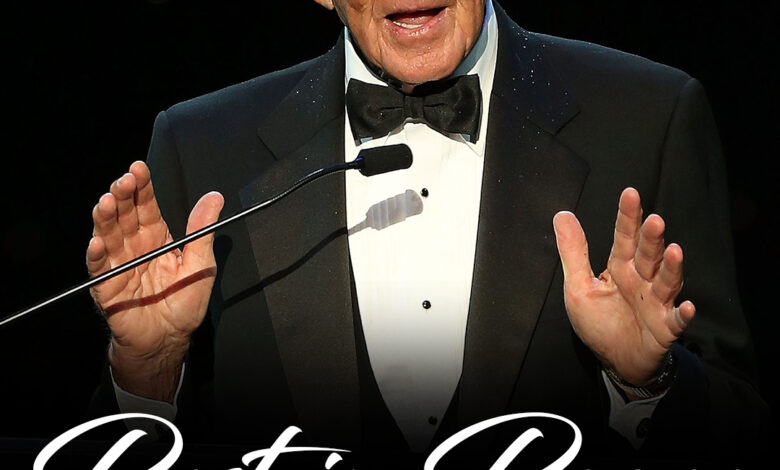
The world of college football has lost one of its most towering and transformative figures. Lou Holtz, the Hall of Fame coach whose career was defined as much by his moral convictions as his strategic brilliance, has passed away at the age of 89.
A larger-than-life personality known for his quick wit, trademark lisp, and relentless demand for excellence, Holtz died following a period in hospice care that began in January. His family confirmed his passing in a poignant statement that echoed the values he championed throughout his nine decades:
“Lou will be remembered for his enduring values of faith, family, service, and an unwavering belief in the potential of others.”
The Architect of the Fighting Irish Resurgence
While Holtz’s career spanned several major programs, he is inextricably linked to the University of Notre Dame. Taking over a program that had lost its luster, Holtz spent 11 seasons in South Bend, amassing a storied 100-30-2 record.
The pinnacle of his tenure came in 1988, when he led the Fighting Irish to a perfect 12-0 season and a consensus national championship. To those who wore the uniform, Holtz was more than a tactician; he was the program’s moral compass. His emphasis on discipline, attention to detail, and personal accountability didn’t just win games—it forged men.
A Legacy Beyond the X’s and O’s
To view Lou Holtz simply as a football coach is to miss the essence of the man. He was a master motivator and a relentless problem-solver who specialized in turning struggling programs into elite contenders. His coaching odyssey took him to Arkansas, North Carolina State, Minnesota, and South Carolina, as well as a brief tenure in the NFL with the New York Jets.
By the time he retired, Holtz had secured 249 victories and a permanent place in the College Football Hall of Fame (Class of 2008). Yet, the tributes pouring in today focus less on his win-loss record and more on his “no-nonsense” approach to life.
“He was an all-time great coach and an all-time great human being,” noted one admirer. Others recalled his famous brand of “Holtz-isms”—practical, honest, and occasionally blunt wisdom. He famously advised: “Never tell your problems to other people. 80% don’t care, and the other 20% are glad you have them.”
“A Better Man Than a Coach”
The true measure of Holtz’s impact is found in the personal stories shared by those he touched. One such tribute from Christopher Wellin recalled Holtz’s extraordinary empathy during a family tragedy in 1995. Despite being in the middle of intense Orange Bowl preparations, Holtz took the time to visit a grieving family and eventually dedicated a game ball to a young boy who had passed away on Christmas Eve.
“He was a wonderful coach and a better man,” Wellin wrote. “Thanks, Lou.”
Faith, Family, and Freedom
A devout Catholic, Holtz’s faith was the bedrock of his existence. It informed his coaching style and his commitment to his community. He shared nearly 60 years of marriage with his late wife, Beth, before her passing in 2020.
In his later years, Holtz transitioned seamlessly into a career as a broadcaster, where his sharp insights and self-deprecating humor introduced him to a new generation of fans. In late 2020, he was awarded the Presidential Medal of Freedom by Donald Trump, recognizing his contributions to the American sporting fabric.
Lou Holtz is survived by four children, nine grandchildren, and two great-grandchildren. In a sport often obsessed with temporary glory, Holtz’s legacy remains etched in the permanent lessons he taught. As a common refrain among his former players goes: “Lou didn’t just coach football. He coached life.”
Rest in Peace, Coach.