Key warning signs of coronary artery disease
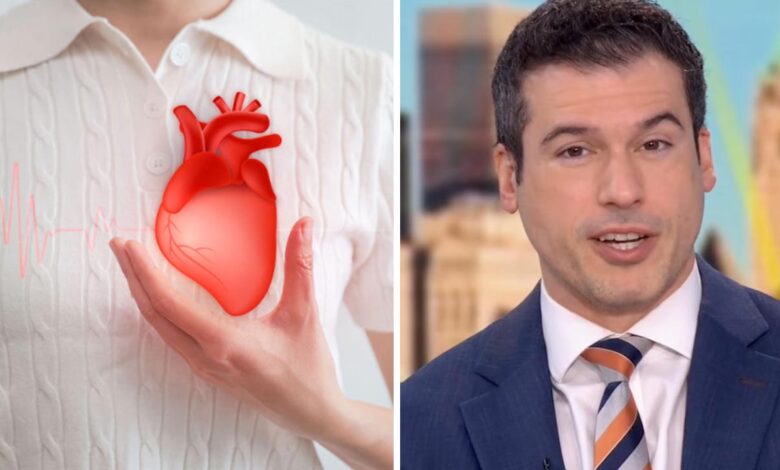
The 41-year-old Good Morning America Sunday co-anchor and ABC News transportation correspondent Gio Benitez has revealed that he has coronary artery disease. His diagnosis has also brought attention to a condition that can have serious consequences if left undetected.
Despite taking good care of his health, Benitez was recently diagnosed with the disease. He told PEOPLE that heart disease has taken a devastating toll on his family, affecting several generations.
“I actually had panic attacks every night for about a week after I heard,” Benitez told PEOPLE. “My husband would go to sleep or I’d been in my hotel room, because I was traveling for work, and that’s when I would literally just start thinking the worst.
“My grandmother, 61 years old – died of a heart attack. My aunt had heart attack in her sleep, also young. My uncle? Heart attack. He was young, too. My other uncle, another heart attack, also young.”
Coronary artery disease symptoms
He continued: “It was literally everywhere all around me.
“So I was always sort of panicked around it, even though doctors over the years told me everything’s fine. But when I got the diagnosis, with the kind of heart health trauma that I have in my life, that’s something that I started thinking about myself. ‘Is this going to happen to me tonight? Is this it? Will I close my eyes and just never open them again?’ ”
According to the Cleveland Clinic, coronary artery disease (CAD) occurs when plaque builds up in the coronary arteries, restricting the blood flow that supplies the heart muscle. The condition can lead to serious complications, including heart attacks, abnormal heart rhythms and heart failure.
The Cleveland Clinic identifies chest pain as the most common symptom of CAD. However, the condition can also cause several other warning signs.
According to the Mayo Clinic, these may include:
- Chest pain that may feel like pressure, tightness, squeezing or aching.
- Pain or discomfort that spreads to the shoulder, arm, back, neck, jaw, teeth or sometimes the upper belly.
- Cold sweats.
- Fatigue.
- Heartburn.
- Nausea.
- Shortness of breath.
- Lightheadedness or sudden dizziness.
What happens next for Benitez
Benitez’s diagnosis highlights the importance of recognizing potential warning signs. Early diagnosis can make a significant difference and give doctors a better chance of monitoring the disease and taking action before it leads to more serious problems.
Benitez’s ABC News colleague Dr. Tara Narula explained that living with heart disease is not the same as losing your life to it.
“This is a chronic disease that requires ongoing attention. You’re going to have to take medication and you’re going to have to pay attention to your body and make some changes.
“But I’ve had patients who run marathons despite having multiple stents in their arteries, and others who have lived into their late 90s.”
This article is for informational purposes only and is not intended as medical advice. Anyone experiencing concerning symptoms should seek advice from a qualified health care professional.