Governor Walz Addresses Backlash Over Viral Daycare Footage
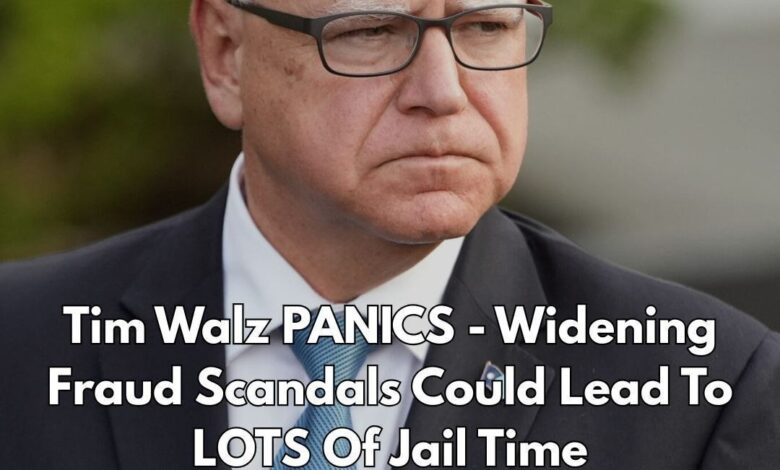
In late December 2025, a 42-minute video posted online ignited a national debate about childcare oversight, government spending, and the power of viral media. The footage, published by independent content creator Nick Shirley, quickly spread across social platforms and brought attention to several childcare facilities in the Minneapolis area that were listed as receiving public funding.
The video showed Shirley visiting multiple locations licensed under Minnesota’s Child Care Assistance Program (CCAP). In several scenes, buildings appeared closed, parking lots were empty, and doors were locked. Because state payment records indicated that some of these centers had received significant funding, the images sparked immediate questions online.
Within days, the video had accumulated millions of views. Political commentators, journalists, and public officials began discussing the footage, debating whether it revealed a serious oversight failure or whether the scenes were simply being misinterpreted.
As attention grew, the issue reached the office of Minnesota Governor Tim Walz. The governor addressed the controversy publicly, acknowledging the concerns raised by viewers while urging patience as investigators reviewed the situation.
How the Video Sparked Nationwide Attention
The viral video was posted on December 26, 2025. Nick Shirley documented visits to nearly a dozen childcare facilities across Minneapolis and surrounding areas. Each site had a state license allowing participation in CCAP, a program that helps low-income families afford childcare.
CCAP operates through federal funding but is administered by individual states. Providers receive subsidies to help families pay for childcare services. Because millions of dollars flow through the program each year, oversight and transparency are constant topics of discussion.
In the video, Shirley filmed himself walking up to various daycare buildings. Some locations appeared quiet, with no visible staff or children present at the moment of filming. Shirley then referenced publicly available payment data, pointing out how much funding certain providers had reportedly received.
The footage quickly caught the attention of political commentators. Clips circulated widely on platforms like X, YouTube, and TikTok, where viewers debated whether the video suggested fraud or simply raised questions about program management.
The video’s viral success demonstrates how powerful online content can be in shaping public perception of government programs.
Political Reactions and Calls for Accountability
As the video spread across social media, several political figures began responding publicly. Critics of Minnesota’s administration argued that the footage raised serious questions about oversight of taxpayer-funded programs.
One of the most prominent responses came from Representative Tom Emmer, a Minnesota Republican and U.S. House Majority Whip. Emmer called for answers from state officials regarding the payments referenced in the video.
He argued that if facilities receiving large sums of public funding were not actively providing services, the state needed to investigate immediately. His comments amplified the debate beyond Minnesota and brought national attention to the issue.
Other political figures echoed similar concerns. Some commentators framed the situation as an example of government mismanagement or inadequate regulatory enforcement.
However, many analysts cautioned that viral footage alone does not provide complete evidence. A building appearing closed at one moment does not necessarily mean it is permanently inactive.
The State’s Initial Response
The Minnesota Department of Children, Youth and Families (DCYF), the agency responsible for regulating childcare providers, responded shortly after the video gained attention.
Officials said they were reviewing the facilities featured in the footage and conducting follow-up inspections where necessary.
DCYF explained that the department regularly inspects licensed childcare providers as part of routine oversight. These inspections examine safety practices, licensing compliance, staff qualifications, and operational standards.
Agency representatives also clarified that the absence of children during a brief visit does not necessarily indicate a facility is inactive.
Childcare centers may operate limited hours, serve children during specific shifts, or temporarily close during holidays and breaks.
Because the video was filmed during the holiday period between Christmas and New Year’s, officials noted that some locations may have been closed for seasonal reasons.
Federal Attention and Funding Concerns
As the controversy grew, federal officials also began examining the situation. Reports indicated that the U.S. Department of Health and Human Services temporarily paused certain childcare payments to Minnesota while additional documentation was reviewed.
The decision was described as a precautionary measure intended to ensure federal funds were being used appropriately.
Federal agencies sometimes implement funding pauses while conducting audits or reviewing compliance records. These actions do not automatically indicate wrongdoing but allow investigators to verify financial documentation.
At the same time, representatives from the FBI and other agencies confirmed they were monitoring the situation.
Law enforcement officials stated that they were examining whether any fraudulent activity might have occurred in connection with childcare funding programs.
However, they emphasized that investigations require careful review of financial records, licensing data, and attendance documentation.
What Inspections Actually Found
Following weeks of inspection and review, state officials released additional information about the facilities mentioned in the viral video.
According to regulators, most of the childcare providers visited during the video were confirmed to be operating legally and maintaining valid licenses.
In many cases, investigators returned to the same locations and found children and staff present.
Officials reported that the absence of activity captured in the original footage did not reflect the facilities’ typical daily operations.
Some locations had temporary closures or limited hours during the holiday season.
Two of the facilities mentioned in the video were confirmed to have closed previously and were not receiving active payments at the time of the inspections.
While regulators did find minor administrative issues at some centers — such as paperwork or record-keeping violations — they reported no evidence of widespread fraud among the locations featured in the video.
The Role of Social Media in Public Debate
The controversy highlights how quickly social media can influence public discourse about policy and government programs.
Videos that appear to show irregularities can generate enormous public attention before formal investigations are completed.
While such content can raise legitimate questions, experts caution that viral footage rarely provides the full context needed to evaluate complex programs.
In the case of Minnesota’s childcare system, the program includes thousands of providers across the state.
Each facility operates on its own schedule and serves different communities.
Observing a building at a single moment does not necessarily reveal its full operational pattern.
This dynamic underscores the challenge policymakers face when viral media intersects with public administration.
Community Impact and Concerns
Another dimension of the controversy involves the communities affected by the viral attention.
Several of the childcare centers featured in the video were owned or operated by members of Minnesota’s Somali American community.
After the video circulated widely online, some providers reported receiving threatening messages or harassment.
Community leaders expressed concern that the viral narrative could stigmatize immigrant-owned businesses.
Civil rights advocates argued that while oversight of government programs is essential, public debate should avoid targeting specific ethnic or religious communities.
Balancing accountability with fairness remains a central challenge in cases like this.
Governor Walz Addresses the Situation
Governor Tim Walz eventually addressed the controversy publicly.
In statements to reporters, Walz acknowledged that the video had raised questions and that investigating those concerns was appropriate.
However, he also urged the public to allow regulators to complete their reviews before drawing conclusions.
Walz emphasized that Minnesota already has oversight mechanisms in place for childcare programs and that state agencies would continue examining the situation carefully.
The governor’s response attempted to balance transparency with caution.
He reiterated that ensuring taxpayer funds are used properly is a priority but warned against making assumptions based solely on social media footage.
A Broader Conversation About Oversight
The Minnesota childcare controversy has become part of a larger national conversation about how governments oversee publicly funded programs.
Programs like CCAP play an important role in helping families access childcare so parents can work and maintain financial stability.
Because these programs distribute substantial funding, they require strong accountability systems.
Audits, inspections, and licensing requirements exist to ensure that providers meet safety and operational standards.
The viral video has prompted renewed discussion about whether these oversight systems should be strengthened or modified.
Some policymakers have proposed more frequent inspections or new transparency measures.
Others argue that existing systems already function effectively and that investigations should rely on formal evidence rather than viral content.
Lessons From the Controversy
Several lessons have emerged from the debate surrounding the video.
First, viral media can quickly elevate local issues into national controversies.
Second, investigations require time and evidence to determine whether concerns are valid.
Third, public conversations about oversight should remain grounded in verified facts rather than speculation.
The Minnesota situation also illustrates how government programs can become political flashpoints when they intersect with public trust, taxpayer funding, and online activism.
Moving Forward
As investigations continue, officials say they will review compliance records, conduct inspections, and ensure providers follow program rules.
The state has also indicated it will cooperate with any federal inquiries.
For families relying on childcare assistance, the program remains operational while reviews proceed.
Parents and providers alike are watching closely to see how the situation evolves.
The debate has highlighted the importance of transparency and accountability in publicly funded programs.
Final Thoughts
What began as a viral video has evolved into a complex public discussion involving politics, media influence, and childcare policy.
While the footage raised questions that deserved attention, official inspections have so far not confirmed widespread fraud among the facilities shown.
Governor Walz’s response reflects the broader challenge of addressing public concerns while ensuring investigations rely on facts rather than assumptions.
As the review process continues, the situation serves as a reminder of how quickly online content can shape national conversations about public policy.
Ensuring accurate information and responsible oversight will remain key priorities moving forward.