Powerful El Niño Could Bring Major Winter Weather Changes to 3 US Regions in 2027
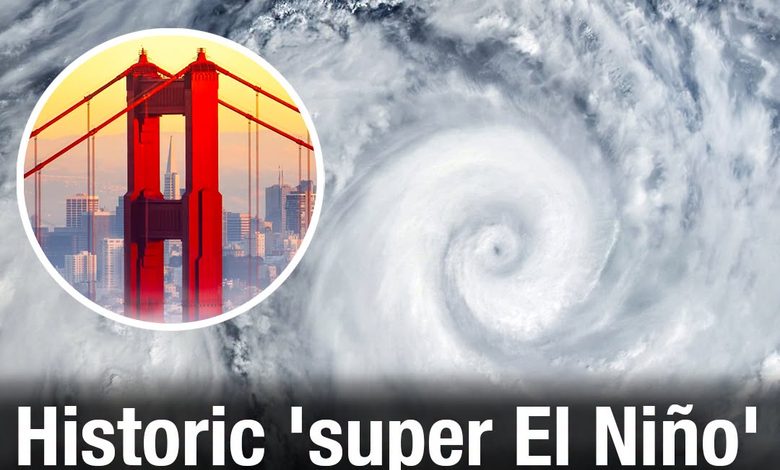
A powerful El Niño is continuing to strengthen in the Pacific Ocean, raising the possibility of unusual winter weather across parts of the United States.
The climate pattern could influence temperatures, rainfall and snowfall during the winter of 2026–2027. Some areas may experience wetter conditions, while others could see warmer and drier weather than usual.
According to the National Oceanic and Atmospheric Administration (NOAA), there is now more than a 79% chance that El Niño will remain strong to very strong through January, February and March 2027.
The latest outlook has increased attention on the potential effects of this developing climate event. However, experts stress that seasonal patterns are not guarantees, and individual storms cannot be accurately predicted months in advance.
El Niño Continues to Strengthen
El Niño is a natural climate phenomenon that develops when ocean temperatures in the central and eastern tropical Pacific become warmer than average.
These changes affect the atmosphere and can influence weather patterns across large parts of the world. In the United States, El Niño is often associated with shifts in the jet stream, which helps guide storm systems across the country.
The term “super El Niño” is sometimes used to describe an especially powerful event, although it is not an official NOAA classification.
In its November 12, 2026 update, NOAA reported that sea surface temperature anomalies had exceeded 4 degrees Celsius in parts of the eastern equatorial Pacific.
The agency also reported that the Niño-3.4 index had reached approximately 2.5 degrees Celsius above average.
NOAA’s outlook indicates that the event could continue strengthening before gradually weakening during early 2027.
The agency also estimated approximately a 60% chance of a historic event exceeding previous El Niño episodes dating back to 1950, based on its specific ocean-temperature measurement.
What Could This Mean for Winter Weather?
El Niño can influence the position and strength of major atmospheric circulation patterns, including the jet stream.
During many El Niño winters, the southern United States experiences a greater likelihood of wetter conditions, while parts of the northern United States may experience warmer-than-average temperatures.
However, these are broad historical tendencies rather than precise forecasts for every state.
Other atmospheric conditions can also influence winter weather, meaning the effects may vary significantly from one region to another.
For some communities, the coming months could bring increased rainfall. Others may experience fewer opportunities for significant snowfall or periods of unusual warmth.
Three US Regions to Watch
Based on typical El Niño patterns, several parts of the country could experience noticeable changes during the 2026–2027 winter season.
These are potential seasonal influences, not confirmed warnings of dangerous weather.
1. California and the Southwest
California and parts of the Southwest are among the areas that often receive increased attention during strong El Niño events.
Historically, El Niño winters can bring more frequent Pacific storm systems toward the southern United States, potentially increasing rainfall across parts of California.
If substantial rainfall develops, communities in vulnerable areas could face localized flooding, runoff and mudslide risks, particularly where hillsides have been affected by wildfires.
Mountain communities could also see significant snowfall during individual storms.
However, the amount and location of precipitation will depend on how storm systems develop throughout the season. Not every part of California or the Southwest will necessarily experience the same conditions.
2. Southern Plains and Lower Mississippi Valley
Texas, Oklahoma, Arkansas and surrounding areas could also experience changes in winter precipitation patterns.
El Niño is often associated with a more active southern storm track, which can bring additional opportunities for rainfall across parts of the southern United States.
Depending on temperatures and the movement of individual weather systems, some locations could experience thunderstorms, heavy rain or periods of wintry precipitation.
Cold air outbreaks can still occur during El Niño winters. If freezing temperatures coincide with moisture, certain areas could experience freezing rain, sleet or snow.
These events can create hazardous travel conditions, particularly in communities that do not regularly experience winter weather.
Still, the exact timing, location and severity of any winter storm remain uncertain.
3. Southeast and Gulf Coast
The Southeast and Gulf Coast are also worth watching as El Niño develops.
Parts of this region have historically experienced wetter winter conditions during El Niño years, potentially increasing the likelihood of prolonged rainfall and thunderstorms.
Florida, Georgia and Alabama could see periods of unsettled weather, although conditions will not necessarily be the same across all three states.
Heavy rainfall can become a concern when several storm systems affect the same area over a short period. Low-lying communities and locations with drainage problems may be particularly vulnerable if flooding develops.
Farther inland, colder temperatures could occasionally allow snow or ice in higher-elevation areas.
As with the other regions, these possibilities should not be interpreted as a prediction that severe weather will occur everywhere.
Could Other Parts of the Country Have a Milder Winter?
While the southern United States often receives more attention during El Niño winters, parts of the northern states can experience a different pattern.
Washington, Oregon, Idaho and Montana may have an increased likelihood of warmer-than-average conditions during certain periods.
If winter temperatures remain elevated, some mountain areas could receive less snow than usual or experience faster snowmelt.
This may affect mountain snowpack, which plays an important role in water supplies during the warmer months.
However, a warmer seasonal outlook does not eliminate the possibility of cold spells or significant snowfall. Individual winter storms can still bring substantial snow even during a strong El Niño event.
Why Scientists Are Watching This Event Closely
NOAA’s November assessment shows that the developing El Niño could become one of the strongest events recorded in recent decades.
The agency’s outlook gives a greater than 79% chance of strong-to-very-strong conditions continuing through January–March 2027.
That makes the event important for weather monitoring, seasonal planning and climate research.
Nevertheless, the strength of El Niño does not automatically determine how severe its effects will be in a particular location.
Local geography, atmospheric conditions and other climate patterns can all influence the final outcome.
Meteorologists will continue monitoring ocean temperatures and atmospheric changes as the winter season progresses.
What Should Americans Do to Prepare?
Although no specific disaster is guaranteed, preparing for different types of winter weather is a sensible approach.
People living in areas that could experience heavy rainfall should pay attention to local flood alerts and avoid driving through flooded roads.
Communities that occasionally experience freezing rain or snow should also be prepared for possible travel disruptions, power interruptions and colder temperatures.
Residents in mountain regions can monitor snowfall and road conditions, especially when traveling through higher elevations.
The most reliable source for immediate weather information remains the National Weather Service, which issues local forecasts and official warnings as conditions develop.
A Winter That Could Bring Surprises
The developing El Niño is expected to remain an important influence on global weather patterns through the winter of 2026–2027.
Its potential effects could be felt across California, the Southwest, the southern Plains, the Gulf Coast and parts of the Southeast.
But while the seasonal outlook suggests changing weather probabilities, it does not mean every region will experience extreme conditions.
For now, scientists will continue monitoring the Pacific Ocean and updating their forecasts as new information becomes available.
The coming winter may bring significant differences from year to year, making reliable forecasts and local weather alerts especially important.
How is your area preparing for the winter season? Share your thoughts in the comments below.