The First Animal You Notice Reveals Your Biggest Personality Weakness: A Fun Psychological Perspective
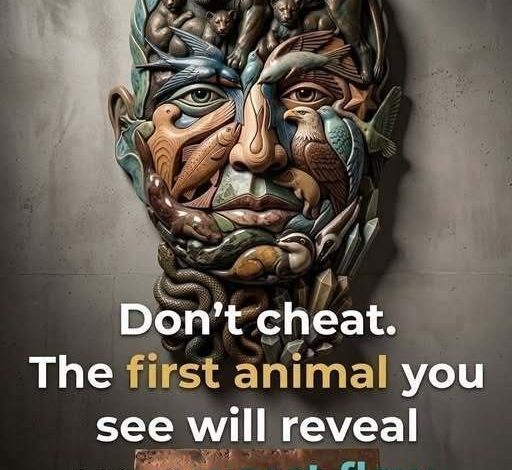
In the realm of viral visual challenges, very few concepts grab people’s interest as effectively as the notion that one simple picture can expose something meaningful about your personality. One of the most widely shared trends online right now is the “first animal you see” illusion—an entertaining psychological activity that says it can reveal your biggest flaw based on what you notice first.
But how much truth is actually in it? And what makes millions of people so fascinated by these kinds of tests? Let’s take a closer look at the psychology, symbolism, and entertainment appeal behind this intriguing visual trend.
What Is the “First Animal You See” Test?
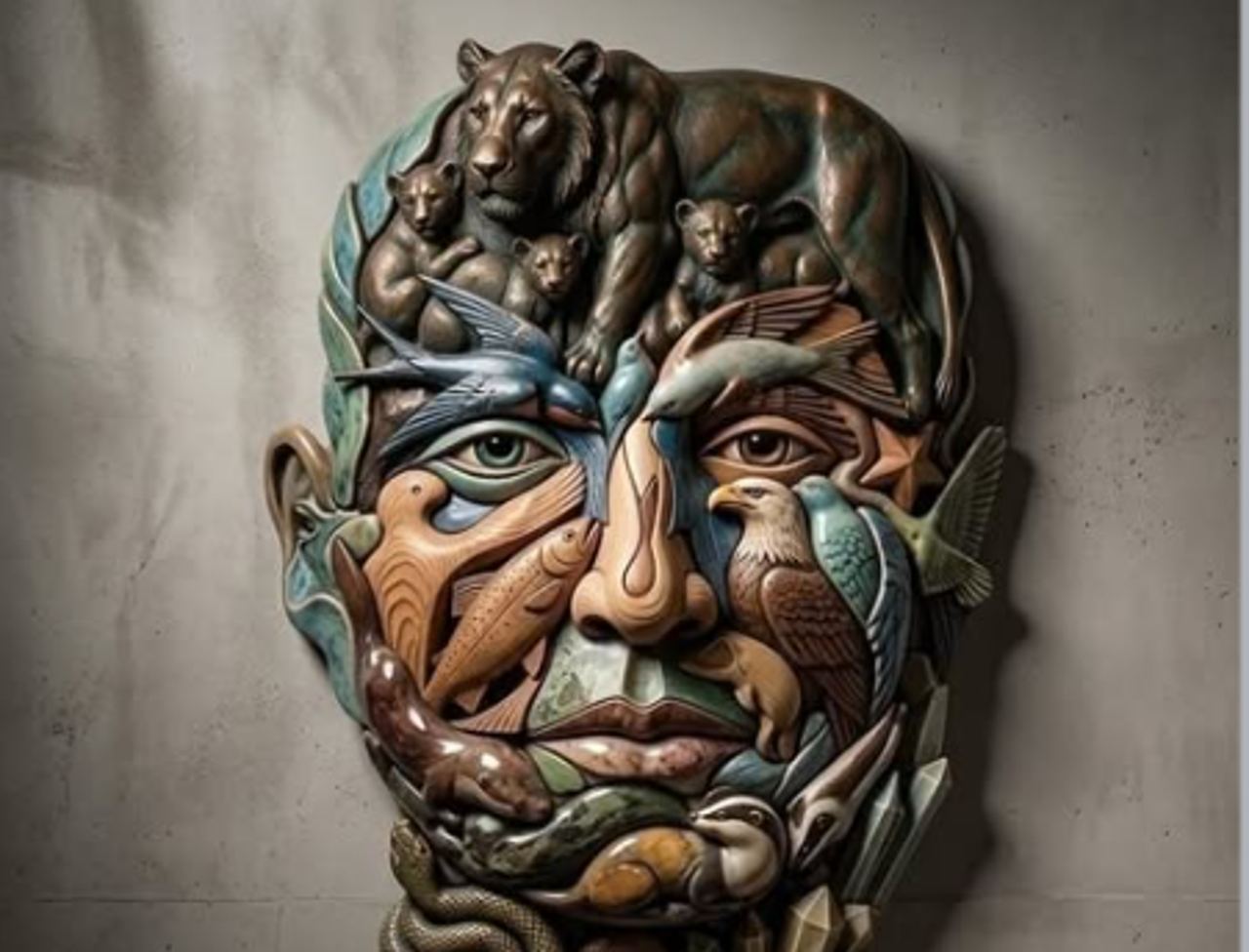
The idea is straightforward: you are shown a detailed image that includes several animals hidden inside it. Without analyzing it too much, you are asked to say which animal you noticed first. According to the test, that instant response reveals a hidden side of your personality—often described as your “biggest flaw.”
Although it may seem mysterious, this kind of test connects to the way the brain handles visual information. The theory is that your subconscious gives priority to certain shapes, patterns, and meanings depending on your life experiences, emotions, and personality characteristics.
Why Your Brain Notices Different Things
Human perception is extremely selective. When you view an ambiguous image, your brain immediately works to interpret it by locking onto familiar forms. That process is shaped by:
- Previous experiences
- Current emotional state
- Personality patterns
- Cognitive biases
For instance, a person who is naturally cautious may be more likely to notice small details, while someone more impulsive or spontaneous may spot larger or more obvious shapes first.
That is why two individuals can stare at the exact same image and identify entirely different animals within moments.
What the First Animal You See Could Say About You
Even though these interpretations are not backed by scientific proof, they are usually built around common personality associations. Below are a few examples of how these tests often assign meaning:
- Lion – Commonly connected with pride or a powerful ego. You may be self-assured, but at times you may also struggle with stubbornness.
- Rabbit – Linked to sensitivity or overthinking. You may worry more than you need to or shy away from confrontation.
- Bird – Represents freedom and independence, but may also point to restlessness or trouble with commitment.
- Snake – Often associated with secrecy or mistrust. You may be careful about letting other people get close.
- Elephant – Symbolizes wisdom and loyalty, but can also suggest that you hold onto the past too tightly.
It is important to keep in mind that these meanings are broad generalizations intended for entertainment, not precise psychological diagnoses.
The Psychology Behind Viral Personality Tests
So why are people so drawn to these tests?
The explanation comes from a psychological principle called the Barnum Effect (also known as the Forer Effect). This describes the tendency for people to accept vague, widely applicable statements as being personally accurate.
For instance, a line such as “you sometimes question yourself but also have great potential” could apply to nearly anyone, yet it still feels specific and revealing.
Entertainment vs. Reality
It is important to approach these visual tests with the proper perspective. While they can be enjoyable and even make you think, they should not be treated as final or authoritative judgments about your personality.
Authentic personality assessment depends on structured approaches, such as professional psychological evaluations. These viral image tests, by contrast, are created mainly for engagement and entertainment.
Still, that does not mean they are completely without value.
Can These Tests Still Be Helpful?
Surprisingly, yes—when they are used in the right way.
Even if the outcomes are not scientifically reliable, they can still inspire self-reflection. For example, if a result suggests that you may be impatient or excessively cautious, it could encourage you to consider whether that matches your behavior in everyday life.
Seen this way, the test works more as a starting point for inner reflection than as a final answer.
Why These Tests Spread So Easily on Social Media
The popularity of these visual personality tests is not accidental. They are ideally suited for social media because they:
- Capture attention quickly with compelling visuals
- Invite interaction (“What did you see first?”)
- Create curiosity and discussion in the comments
- Feel personal and relatable
- Are simple to share
In a fast-moving digital space where people scroll constantly, content that encourages users to stop, think, and participate has a much greater chance of becoming viral.
The “first animal you see” test is an ideal mix of psychology, illusion, and entertainment. Although it may not truly expose your deepest flaws, it does reveal something fascinating about human perception—our minds are individual, and the way we interpret the world can say quite a bit about us.
So the next time you see one of these images, feel free to try it. Just keep this in mind: the result may not define who you are, but it can still provide a fun and thought-provoking moment of self-discovery.