Remembering a Music Legend After Passing at 52
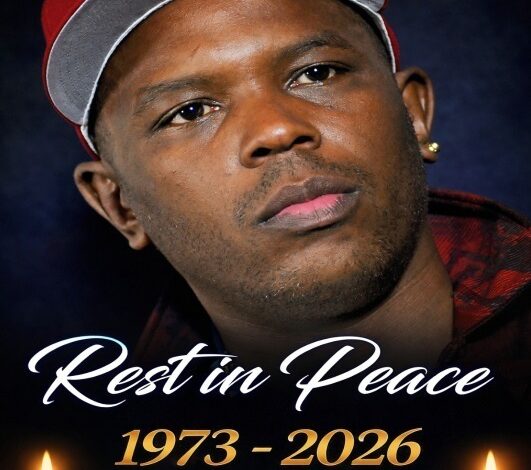
The world grows quieter in a strange way when a music legend passes. Even for those who never met them, never stood in the same room or shared the same air, there is a hush — as if the soundtrack of our lives has suddenly skipped a beat. When Prince died at 52, that hush was deafening.
Fifty-two. It feels too young for someone who seemed timeless.
The Shock of Sudden Silence
Artists like Prince don’t simply release songs; they build emotional architecture. They create entire worlds in which we fall in love, grieve, celebrate, rebel, and heal. So when news broke on April 21, 2016, that he had been found at his Paisley Park estate in Minnesota, the disbelief rippled across continents.
Social media feeds filled with purple hearts. Radio stations pivoted to marathon tributes. Fans gathered outside Paisley Park in spontaneous vigils. For many, it wasn’t just the loss of a celebrity — it was the loss of a companion who had narrated their lives in falsetto and funk.
Prince’s death felt personal because his music had always felt intimate. Whether whispering vulnerability or unleashing electrifying guitar solos, he blurred the line between superstar and confidant.
A Genre of His Own
To call Prince a pop star barely scratches the surface. He was a musical polymath — singer, songwriter, producer, multi-instrumentalist. He fused rock, funk, R&B, soul, jazz, and psychedelia into something uniquely his.
Albums like Purple Rain weren’t just commercial triumphs; they were cultural landmarks. The title track became an anthem of longing and transcendence, while “When Doves Cry” rewrote radio conventions by stripping away bass lines. Prince’s fearless experimentation proved that commercial success and artistic risk were not mutually exclusive.
He played nearly every instrument on many of his recordings. He wrote for other artists. He produced relentlessly. In an industry often driven by committee, Prince was a one-man creative force.
That independence defined him — and inspired generations of musicians who followed.
Reinventing Identity
Part of Prince’s mystique came from his refusal to be boxed in. He challenged gender norms long before mainstream culture began seriously questioning them. Lace, heels, eyeliner — none of it diminished his masculinity; instead, it expanded the conversation around it.
When he changed his name to an unpronounceable symbol in the 1990s amid a contract dispute, critics mocked him. Yet the move was less eccentricity and more protest — a bold statement about artistic ownership. He famously wrote “slave” on his cheek to highlight what he saw as exploitative industry practices.
Years later, as artists increasingly fight for control over their masters and creative rights, Prince’s stance seems prophetic. He wasn’t just protecting himself; he was reshaping the conversation about who truly owns art.
The Soundtrack of Our Lives
For many fans, remembering Prince at 52 means revisiting the chapters of life his music accompanied.
First dances to “Adore.”
Heartbreak soothed by “Nothing Compares 2 U.”
Late-night drives scored by “Little Red Corvette.”
Music embeds itself in memory more deeply than almost any other art form. A single chord progression can transport us decades back in time. In that sense, legends never entirely leave us. Their voices echo in grocery stores, wedding receptions, and solitary headphone sessions.
When someone like Prince passes, we grieve not only the future music we will never hear but also the person we were when we first heard him.
The Man Behind the Myth
Legends can sometimes feel untouchable, but Prince was also intensely human. Friends and collaborators often described him as shy offstage, meticulous in the studio, playful with those he trusted. He held secret late-night jam sessions. He mentored young artists quietly. He donated anonymously.
In remembering him, it’s important to hold both truths: the myth and the man.
His death from an accidental opioid overdose sparked conversations about pain management, addiction, and the hidden struggles even icons face. It reminded the public that fame does not grant immunity from vulnerability.
In mourning him, we were also forced to confront a broader cultural crisis — one that continues to claim lives across demographics and professions.
Influence Beyond Measure
It’s difficult to quantify Prince’s influence because it radiates in so many directions. Artists across genres cite him as inspiration. His guitar work earned admiration from rock purists; his songwriting shaped R&B; his theatricality influenced pop performance for decades.
His 2004 Rock & Roll Hall of Fame induction performance — particularly his searing solo during “While My Guitar Gently Weeps” — remains a masterclass in showmanship and musicianship. In those few minutes, he reminded the world that virtuosity and charisma can coexist effortlessly.
After his passing, streams of his catalog surged. Younger listeners discovered him for the first time. Older fans rediscovered forgotten deep cuts. The music industry was reminded that true artistry has no expiration date.
Grief in the Digital Age
The way we mourn public figures has changed dramatically. In earlier eras, fans might read about a musician’s death in a newspaper days later. Today, the news arrives instantly, often via push notification.
When Prince died, the collective grief unfolded online in real time. Fans shared concert footage, rare interviews, and personal anecdotes. Celebrities posted tributes. Landmarks around the world glowed purple in his honor.
This digital mourning created a global wake — millions of strangers united by melody and memory. It demonstrated how art binds people across borders, languages, and backgrounds.
The Legacy of Creative Fearlessness
At 52, Prince was still creating. He was still touring, still experimenting, still mentoring. His death felt particularly cruel because there was no sense of creative decline. He remained vital.
Perhaps that is part of what makes remembering him so powerful. He never became a nostalgia act. He continued pushing forward.
There’s a lesson there for artists and non-artists alike: reinvention is not a phase; it’s a practice. Prince’s career reminds us that growth does not end at 30, 40, or 50. Curiosity is ageless.
Why Legends Matter
Some may wonder why society invests so much emotion in public figures. After all, we didn’t know them personally. Yet music occupies an intimate space in our lives. It plays at our weddings and funerals. It keeps us company in solitude. It helps us articulate emotions we can’t otherwise name.
When a music legend dies, it can feel like losing a translator of our inner world.
Prince had a rare gift for capturing contradictions — sacred and sensual, joyful and melancholic, playful and profound. He made complexity feel danceable.
In remembering him, we’re reminded of the capacity of one individual to shape global culture. His influence didn’t depend on algorithms or trends. It came from authenticity and relentless craft.
Holding On to the Echo
Grief eventually softens, but the echo remains.
Turn on the radio, and there he is.
Attend a wedding, and there he is.
Watch a young guitarist shred with fearless flair, and there he is.
Fifty-two is too young to say goodbye. Yet perhaps with artists like Prince, goodbye isn’t the right word. Their physical presence may vanish, but their creative imprint endures.
Music is vibration. It travels through air, through speakers, through bone. Even after the musician is gone, those vibrations persist — replayed, remixed, rediscovered.
Remembering at 52
Remembering a music legend after passing at 52 forces us to confront mortality and immortality at once. The body is finite; the art is not.
Prince left behind vaults of unreleased recordings, decades of performances, and a blueprint for artistic independence. But more importantly, he left behind feeling — the kind that can’t be archived in a vault.
As we revisit his work, we’re not just honoring him; we’re reconnecting with pieces of ourselves. The teenager who first dared to be different. The adult who found solace in a lyric. The dreamer who believed that creativity could change the world.
In the end, perhaps that is the true measure of a legend. Not chart positions or awards, though Prince had plenty of those. Not record sales, though they numbered in the millions. It is the quiet, persistent way their art continues to shape hearts long after they are gone.
At 52, the world lost Prince. But every time “Purple Rain” crescendos, every time a guitar solo dares to be both delicate and defiant, we are reminded:
Legends may pass.
Music does not.