SOTD – Eating Just One Bite Is Already Harmful, But Many Still Eat It Without Worry!
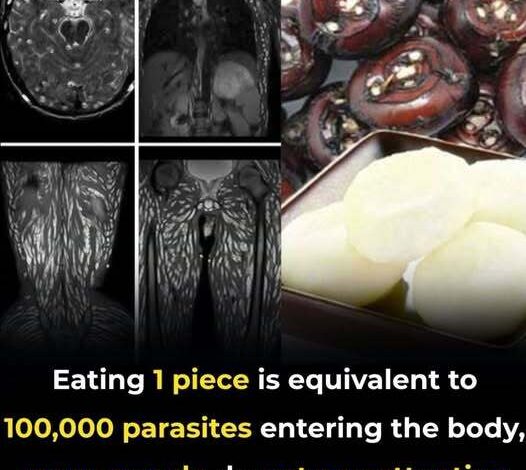
In the world of modern health and nutrition, one of the most persistent misconceptions is the belief that food safety can be judged simply by appearance. Many people assume that if a dish looks appealing, smells pleasant, and tastes good, it must automatically be safe to eat. Unfortunately, this belief can be dangerously misleading. Some of the greatest threats to human health are completely invisible to our senses. They do not reveal themselves through unusual colors, unpleasant smells, or spoiled textures. Instead, they exist silently at a microscopic level. Parasitic organisms, which according to the World Health Organization infect more than 3.5 billion people around the globe each year, represent one of the most overlooked dangers in food safety. These organisms are not simple microbes; they are complex life forms capable of adapting to the human body, invading organs, and avoiding immune defenses for extended periods of time. In certain situations, something as small as a single contaminated bite can begin a long-lasting infection that affects a person’s health for years.
The range of parasites that can enter the human body through food is wide and complex. Among the most common are tapeworm species such as Taenia solium and Diphyllobothrium latum, as well as roundworms like Trichinella spiralis and microscopic protozoa including Toxoplasma gondii. Unlike many bacteria that can be neutralized through simple refrigeration or minimal heating, parasites often possess remarkable survival abilities. Some can withstand freezing temperatures, survive in chlorinated water systems, and remain alive in animal tissues that have not reached safe cooking temperatures. Once these organisms enter the body, the consequences can vary widely. In mild cases, they may cause fatigue or nutritional deficiencies. In more severe situations, they can lead to neurological disorders, serious organ damage, or even death.
Undercooked meat continues to be one of the most common ways these parasites spread. Pork, in particular, has historically been associated with higher risk. The parasite Trichinella spiralis causes a disease known as Trichinosis, which occurs when larvae travel from the digestive system into muscle tissue. This condition can result in intense muscle pain, fever, swelling, and prolonged weakness. Another major concern is the pork tapeworm Taenia solium. When the eggs of this parasite enter the bloodstream, they may travel to the brain and create a condition called Cysticercosis. This disease is recognized globally as a leading cause of seizures in adults and may also result in vision problems and neurological decline. Because of these serious consequences, consuming raw or poorly cooked pork carries risks that far outweigh any culinary preference.
Beef is often viewed as a safer choice, but it also carries potential biological hazards. The beef tapeworm Taenia saginata can grow several meters long inside the human digestive tract. While some people dismiss it as a minor issue, the presence of such a parasite essentially means that nutrients meant for the body are being stolen. Over time, infections can cause anemia, weight loss, digestive discomfort, and chronic fatigue. What makes this particularly concerning is that many people may live with the infection for years without realizing it, slowly losing vital nutrients while the parasite continues to grow unnoticed.
In recent decades, the worldwide popularity of raw seafood dishes such as sushi, sashimi, and ceviche has introduced additional risks. Fish can contain parasites like Anisakis, which can burrow into the stomach lining or intestinal walls after being consumed. This can trigger intense abdominal pain and allergic reactions that sometimes resemble conditions like appendicitis. Another parasite associated with fish is Diphyllobothrium latum, often called the fish tapeworm. This organism can cause severe Vitamin B12 deficiency, potentially leading to neurological problems and other long-term health complications. Although seafood labeled “sushi-grade” usually undergoes deep freezing to reduce parasite risk, improper storage or handling anywhere along the supply chain can still expose consumers to infection.
Shellfish such as oysters, clams, and mussels present a different type of danger. Because these animals are filter feeders, they absorb and concentrate microorganisms from the surrounding water. If that water contains sewage or other contamination, the shellfish can accumulate parasites like Cryptosporidium and Giardia. Eating raw shellfish may therefore lead to severe digestive illness characterized by diarrhea, dehydration, and abdominal cramps. Individuals with weakened immune systems and pregnant women are particularly vulnerable to these infections. Cooking shellfish thoroughly—until the flesh becomes opaque and the shells open completely—is the most reliable way to ensure these organisms are destroyed.
Even fresh fruits and vegetables, which are central to a healthy diet, can occasionally carry hidden risks. When produce is grown in soil contaminated with animal or human waste, microscopic parasite eggs may cling to its surface. The protozoan Toxoplasma gondii poses a significant threat to pregnant individuals because it can cross the placenta and affect fetal development. Another organism, Cyclospora cayetanensis, can cause prolonged digestive illness marked by bloating, fatigue, and poor nutrient absorption. Washing produce carefully is therefore essential. Firm vegetables should be scrubbed with a brush, while leafy greens should be rinsed thoroughly under running water to remove possible contaminants.
Dairy products that have not undergone pasteurization also carry potential health dangers. Raw milk and cheeses made from unpasteurized milk can harbor organisms such as Cryptosporidium and Toxoplasma gondii. These parasites can survive in cool, moist environments like those found in dairy production. The process of pasteurization—carefully heating milk to eliminate harmful microbes—was introduced as a critical public health measure. For vulnerable individuals such as pregnant women, children, and people with weakened immune systems, consuming pasteurized dairy products is one of the most effective ways to reduce risk.
Contaminated water remains another pathway through which parasites can enter the body. Drinking untreated water or even using unsafe water to wash food or brush teeth may introduce organisms like Entamoeba histolytica. Infection with this parasite can lead to Amoebic Dysentery and, in severe cases, liver abscesses. Travelers in particular should remain cautious by drinking bottled or boiled water and avoiding ice made from unknown sources.
Avoiding parasitic infections does not require constant fear, but it does require awareness and consistent habits. Cooking meat to safe internal temperatures—145°F (63°C) for whole cuts of pork and fish and 160°F (71°C) for ground beef—effectively destroys most parasites. Washing fruits and vegetables thoroughly, selecting pasteurized dairy products, and ensuring safe drinking water are essential steps for protecting long-term health. Ultimately, true wellness depends on understanding biological realities and respecting the invisible risks that sometimes accompany our food. With careful preparation and informed choices, food can fulfill its true role: nourishing the body, supporting strength, and sustaining life safely.